









Quick answer
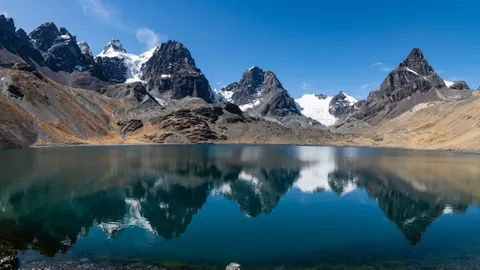
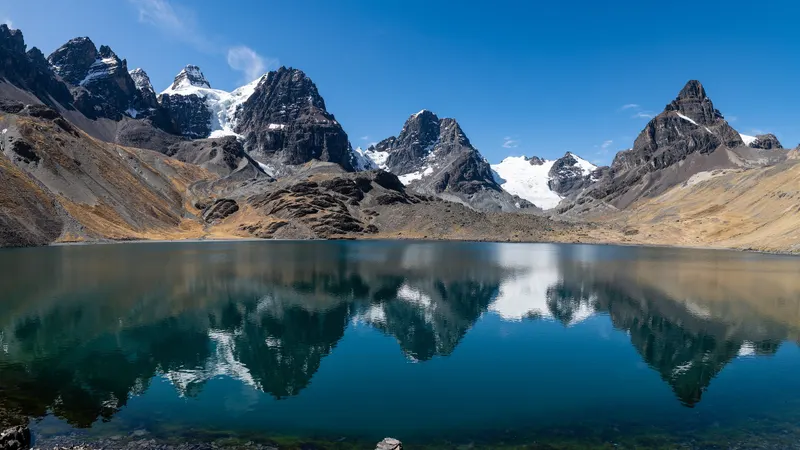
Ventanani is a glacier and turquoise lagoon at about 5,080 m in the Tuni Condoriri area of Bolivia's Cordillera Real, roughly 90 minutes by road from La Paz. The hike passes Juri Khota and Laguna Eslovenia: about 9 km round trip, 5 to 8 hours, from a 4,700 m start. Go with a guide, after at least four or five days at altitude, in the dry season (April to October). Private tours start at about US$185.
On this page
- Where is the Ventanani glacier?
- The Ventanani glacier hike: distance, altitude and difficulty
- Is Ventanani safe? Altitude, weather and the ice
- How to get to Ventanani from La Paz
- Ventanani tours from La Paz
- When to go: dry season or rainy season
- A shrinking glacier: why it matters to La Paz
- Frequently asked questions
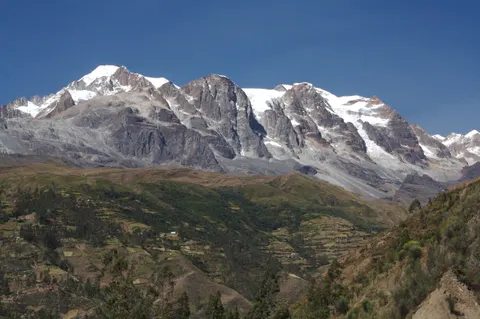
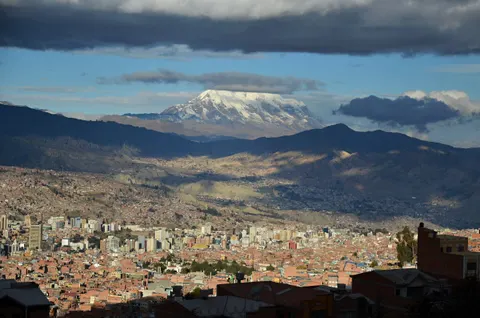
The Ventanani glacier is a tongue of ice above a turquoise lagoon at about 5,080 m in the Cordillera Real, the range of snow peaks you see from La Paz. In 2026 it went from a hikers’ secret to a fixture of Bolivian TikTok, and La Paz agencies now sell it as a day trip. Most of what’s online is tour listings, so this page puts the basics in one place: where it is, how long and high the walk is, what it costs and when to go. We used reports from EFE (June 2025), the Bolivian news agency ANA (2021), operators’ listings and glacier studies, checked in November 2026.
- Altitude
- 4,700 m start, about 5,080 m at the lagoon
- Hike
- About 9 km round trip, 5 to 8 h
- From La Paz
- About 90 min by car, 2.5-3 h on a tour
- Private tour
- From about US$185 (Sep 2026)
- Best season
- April to October
- Area
- Tuni Condoriri, Pucarani
Where is the Ventanani glacier?
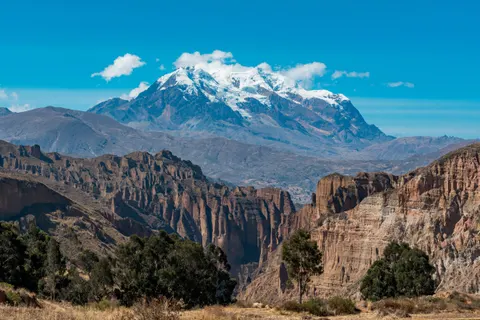
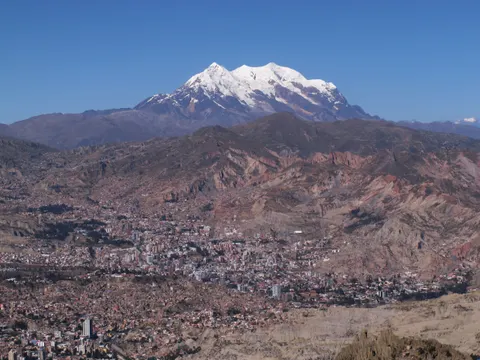
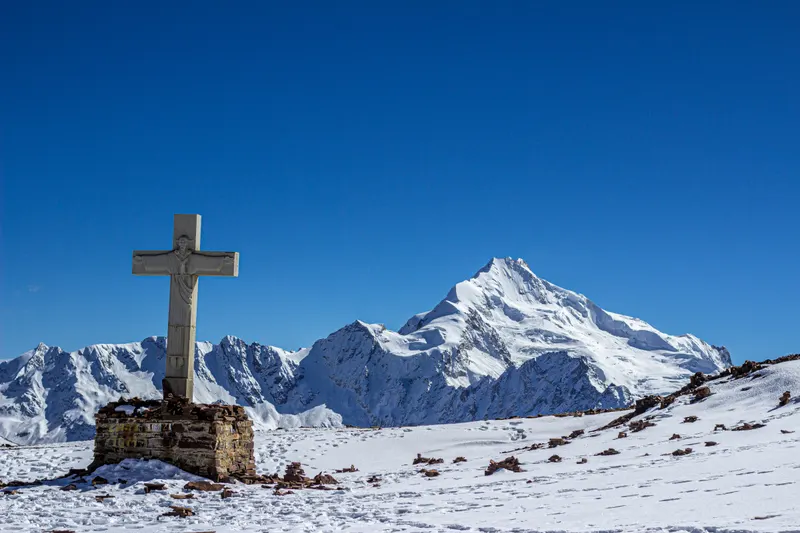
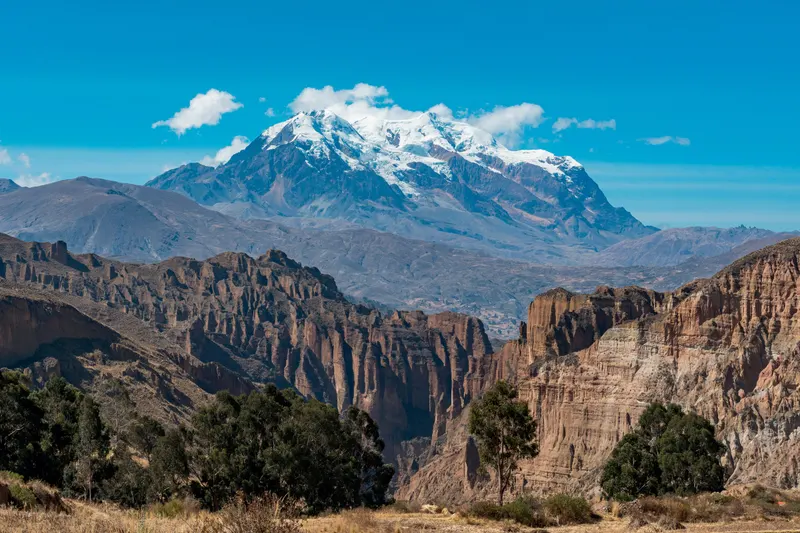
Ventanani sits in the Tuni Condoriri protected area, in Pucarani municipality, northwest of El Alto (ANA, 2021). The same mountains hold the Condoriri massif, whose shape gives it the name “condor”, and the Tuni reservoir that supplies water to El Alto. Huayna Potosí is in view on the drive in.
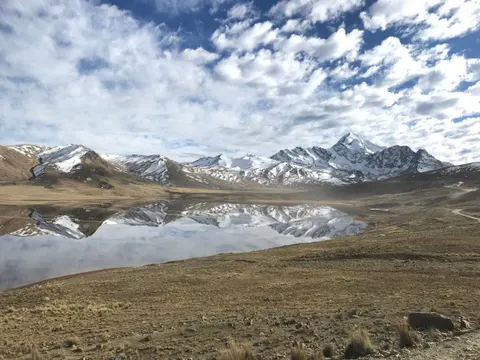
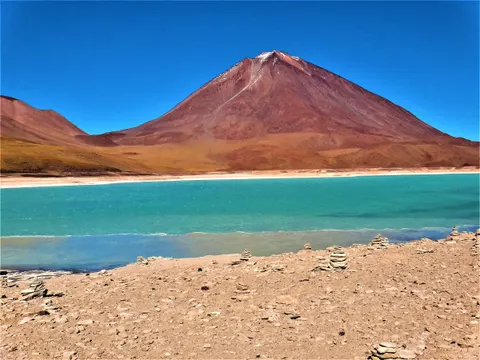
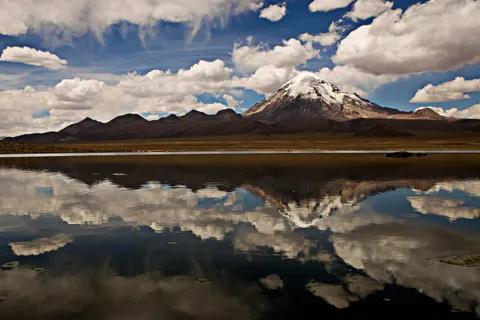
The hike links three lagoons. You start at Laguna Juri Khota (about 4,700 m), climb to Laguna Eslovenia (about 4,900 to 5,047 m, by source) and finish at the Ventanani glacier lagoon (about 5,080 m), according to EFE’s report and Bolivia.com. The glacier ends in the water, with ice caves at its front.
Don’t confuse it with Wintanani, a 5,428 m peak listed separately on Wikipedia. Searches mix the two.
The Ventanani glacier hike: distance, altitude and difficulty
| Section | Altitude | What it’s like |
|---|---|---|
| Laguna Juri Khota (trailhead) | About 4,700 m | Flat shore, where vehicles park |
| Up to Laguna Eslovenia | About 4,900-5,047 m | Steady climb on a stony path |
| Laguna Eslovenia to Ventanani | About 5,030-5,080 m | Rockier; the last 30 m are steep and loose |
| Return the same way | Back to 4,700 m | Easier on the lungs, harder on the knees |
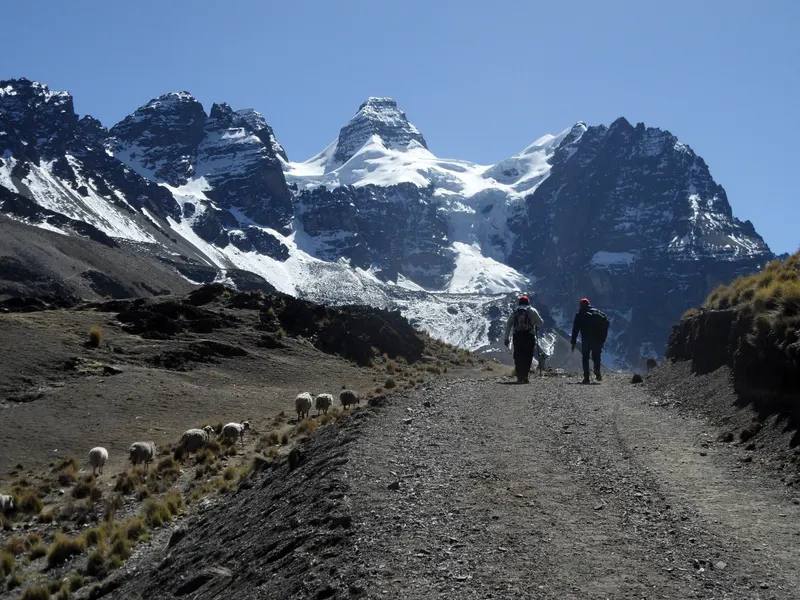
The figures vary by source. Explorando Bolivia’s WeTravel listing gives about 9 km round trip with a 5,030 m high point, rated medium, and 5 to 6 hours on foot. The Viator listing gives 8 to 9 km, about 300 m of climbing and around 40% rocky ground. AllTrails calls it difficult: 8.9 km and 477 m up. EFE describes 4 km each way and 6 to 8 hours.
The distance is modest. The altitude makes it hard: the whole walk is above 4,700 m, and the lagoon sits higher than the summit of Mont Blanc (4,806 m) and about 1,400 m above central La Paz. Bolivia.com’s guides call the final climb the toughest part. Expect to walk slowly and stop often.
Trail markings are scarce. If you go without a guide, download a track first. Wikiloc has several recorded routes.
Is Ventanani safe? Altitude, weather and the ice
The US CDC puts the risk of altitude sickness from about 2,450 m. Ventanani tops out more than 2,500 m above that. Both EFE and Bolivia.com advise visitors to acclimatize first, because thin air causes dizziness, headaches and stomach trouble.
Before you book
- Wait at least four or five days in La Paz. Do easier day trips first, like Chacaltaya at about 5,300 m by road. Our La Paz altitude sickness guide explains how to build up.
- Turn back if a headache or nausea gets worse. Going down is the only real cure.
- Go with at least one other person and a guide. We found no recent rescue reports for Ventanani, but there’s no phone signal to count on and no one patrols the area.
- Keep off the ice and out of the caves. ANA reported in 2021 that visitors stayed back from the ice caves because of collapse risk, and one person hurt their hands on the ice.
The weather turns fast. In March 2021 an ANA team walked through storms, hail and snow, with loose slate on the steep sections, and their minibus needed chains on the muddy road and still got stuck. In the rainy season, guides quoted by EFE advise against the trip.
How to get to Ventanani from La Paz
| Option | Cost | Time to the trailhead | Notes |
|---|---|---|---|
| Private tour with 4x4 | From about US$185 per person | 2.5-3 h with pickups | Guide, fees and transport included |
| Hired car with driver | Agree a price in advance | About 1 h 30 to 2 h | Ask for a 4x4 in wet weather |
| Bus plus walk | Not practical | - | Buses stop 23 km short of the trailhead |
The road leaves El Alto on the highway toward Lake Titicaca, then turns north onto about 23 km of gravel to Juri Khota. Wikiexplora describes the turnoff at about km 34, near the community of Kollke Amaya, and about 1 h 30 from central La Paz. Titicaca buses can drop you at the turnoff, but you’d still need a vehicle for the gravel road.
A driver from La Paz is the only realistic do-it-yourself option. Wikiexplora quoted Bs 600 round trip for four people through Calle Sagárnaga agencies in 2016; prices are higher now, so get a current quote. Leave by 6:00 a.m. so you’re walking by 8:30 or 9:00.
Ventanani tours from La Paz
Every tour we found is a private day for one to three or four people, which is why prices are high per person. Viator’s listing from Explorando Bolivia had the most reviews.
| Tour | From | Reviews | Includes |
|---|---|---|---|
| Ventanani Glacier Hike, private (Viator) | About US$185 per person | 5.0 (29), Sep 2026 | 4x4, guide, entry fees, snacks, poles, altitude medication |
| Explorando Bolivia (WeTravel) | About US$200 per group of 1-3 | Not listed | 4x4, guide, entry fees, snack, insurance, walking stick |
| GetYourGuide listings | About US$250-299 per group of up to 4 | Not checked | Some add breakfast and a cold lunch |
The Viator tour picks you up at your hotel at 6:00-6:30 a.m. and returns around 6:00-7:00 p.m., about 11 hours in total. Lunch isn’t included, so bring food. If the weather cancels it, the listing offers a new date or a full refund. Explorando Bolivia’s WeTravel version picks up in Sopocachi, the center, Miraflores, San Jorge, San Pedro or the bus terminal.
Glacier lagoon day trips from La Paz
Book on Viator From $185Ventanani Glacier Hike, Cordillera Real, Private Tour from La Paz
- Price
- From $185 per person
- Duration
- 11 h
- Rating
- Cancellation
- Free
 From $39Shared Full Day Tour Charquini Lagoon and Hiking
- Price
- From $39 per person
- Duration
- 8.5 h
- Rating
- Cancellation
- Free
Prices in US$ per person from Viator as of Sep 30, 2026. They change; you see the final price before paying.
Which one is for you?
- If you want Ventanani with the logistics handled: the private Ventanani glacier hike, from about US$185.
- If you want a glacier lagoon with less climbing and a lower price: the shared Charquini lagoon hike, from about US$39, a shorter walk to Laguna Esmeralda in the same range.
- If you’re training for a 6,000 m peak: Ventanani makes a good acclimatization day before Huayna Potosí.
Entry fees are included in the tours. We couldn’t confirm how much the community charges. Wikiexplora says the area itself is free and unregulated, with about Bs 20 per tent if you camp. Carry some small notes. More guided days out are in the best La Paz tours and day trips from La Paz.
When to go: dry season or rainy season
April to October
Dry seasonClear, cold mornings and firm paths. The lagoon can be partly frozen in June and July, and nights near the trailhead fall well below freezing.
Verdict: the time to go. May and September are a good balance of clear skies and less cold.
November to March
Rainy seasonAfternoon storms, hail and snow, a muddy gravel road and a lagoon that doesn’t freeze. Guides quoted by EFE advise against it.
Verdict: skip it, or go only with a guide, a 4x4 and a clear forecast, and be off the trail by early afternoon.
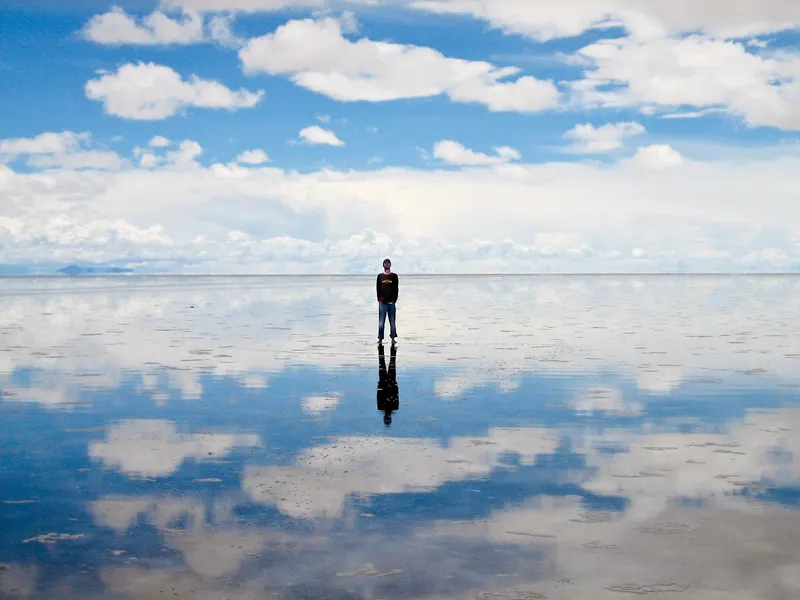
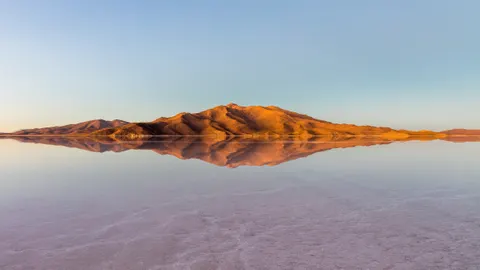
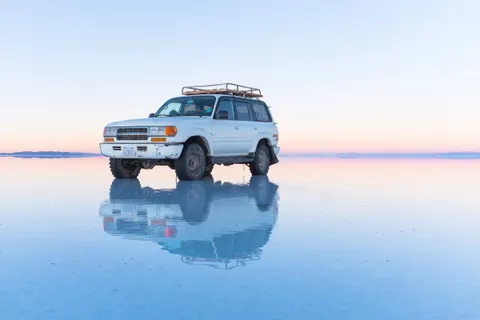
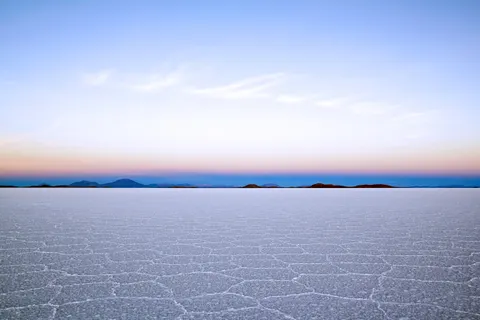
If your Bolivia trip falls between January and March, that’s the season for something else: the Uyuni mirror effect, when rain turns the salt flats into a mirror. Save Ventanani for a dry-season visit. Month-by-month weather is in La Paz weather.
A shrinking glacier: why it matters to La Paz
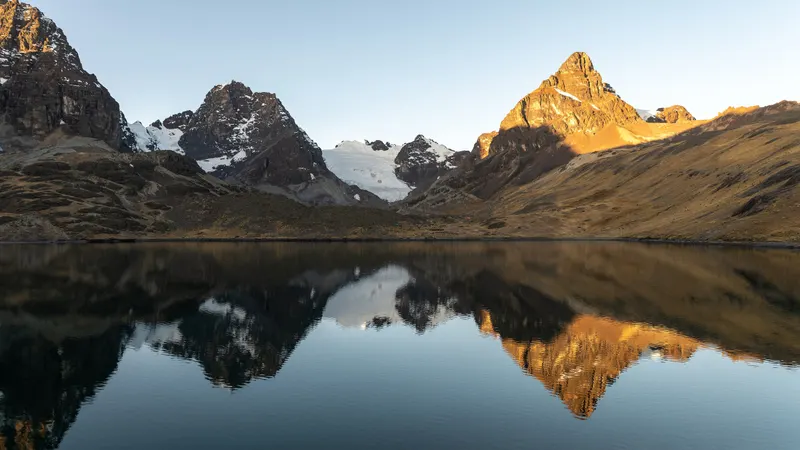
The EFE report calls Ventanani “un paraíso efímero”, a short-lived paradise. It quotes a geographer at UMSA, La Paz’s public university, who says the lagoon is both a tourist draw and a warning. According to UMSA, Bolivia lost 57% of its glacier surface in 50 years.
Tuni Condoriri has measured losses of its own. A 2015 study in the Annals of Glaciology by Álvaro Soruco and colleagues found that glaciers in Tuni Condoriri and nearby Milluni lost about half their area between 1975 and 2006. Glacier melt supplies about 15% of La Paz’s water in a year and about 27% in the dry season. Losing those glaciers would cut water from the Tuni Condoriri basin by about a third in the dry months. That water reaches El Alto through the Tuni reservoir.
For visitors, the practical point is simple. Don’t walk on the ice, take your trash with you, and don’t wash or swim in the lagoons that feed the city’s water.
Current conditions (November 21, 2026)
We found no closures or incident reports for Ventanani in 2026. The rainy season has started, and a strong El Niño may make it drier than usual in western Bolivia, but storms and snow at 5,000 m are still likely. Check the forecast the day before. For roads, fuel and protests, see Bolivia travel status.
Frequently asked questions
Where is the Ventanani glacier?
In the Tuni Condoriri protected area of the Cordillera Real, in Pucarani municipality, La Paz department, northwest of El Alto. The trail starts at Laguna Juri Khota (about 4,700 m) and climbs past Laguna Eslovenia to the Ventanani glacier lagoon at about 5,080 m. Don't confuse it with Wintanani, a separate 5,428 m peak in the same province.
How hard is the Ventanani hike?
Moderate as a walk and hard because of the altitude. Operators give about 9 km round trip with 300 to 480 m of climbing, and AllTrails rates it difficult. About 40% of the path is rocky, and the last 30 m before the glacier lagoon are steep and loose. Allow 5 to 8 hours on foot, all of it above 4,700 m.
How do you get to Ventanani from La Paz?
By private vehicle. EFE puts it at about 90 minutes by car from La Paz; tour operators allow 2.5 to 3 hours to the trailhead with pickups and traffic. You leave El Alto on the road toward Lake Titicaca, then take about 23 km of gravel north to Juri Khota. Titicaca buses only reach the turnoff, so there's no practical public transport.
How much does a Ventanani tour cost?
The private tour on Viator started at about US$185 per person for up to three people (5.0 from 29 reviews, September 2026). It includes a 4x4, guide, entry fees, snacks and trekking poles, but not lunch. Explorando Bolivia sells the same day on WeTravel for about US$200 for a group of one to three.
When is the best time to visit the Ventanani glacier?
April to October, the dry season. Guides quoted by EFE advise against the November-March rainy season, when the lagoon doesn't freeze, the trail turns to mud and storms bring hail and snow. In the dry months the mornings are cold and clear, and the lagoon may be partly frozen in June and July.
Can you go inside the ice caves at Ventanani?
We wouldn't. In 2021 the Bolivian news agency ANA reported visitors keeping back from the ice caves at the glacier front because of collapse risk, and one person hurt their hands on the ice. The glacier is retreating, which makes its edges less stable. Look from the shore and follow your guide.
Keep planning