



Quick answer
Rurrenabaque is a river town in the Bolivian Amazon (Beni Department) and the base for Madidi and pampas tours. Pick the Madidi jungle, 3 hours upriver by boat, for rainforest walks and community-run lodges, or the Pampas del Yacuma for easy wildlife spotting by boat. Most tours last 3 days, and park fees of Bs 200 (Madidi) or Bs 150 (pampas) are paid in cash (September 2026). From La Paz, it's a 40-minute flight or a 14-20 hour bus.
On this page
- Where is Rurrenabaque?
- Jungle or pampas: which Amazon tour should you take from Rurrenabaque?
- How much do Madidi tours cost in 2026?
- How to choose an ethical tour operator in Rurrenabaque
- Community lodges in Madidi: Chalalán and Madidi Jungle Ecolodge
- How to get from La Paz to Rurrenabaque
- Best time to visit Rurrenabaque and Madidi
- Yellow fever, malaria and health
- Things to do in Rurrenabaque town
- Where to stay in Rurrenabaque
- Money and what to pack
- Frequently asked questions
Rurrenabaque, or Rurre, is the base for tours into the Bolivian Amazon from La Paz. It sits on the Beni River at about 200-275 m above sea level (sources disagree). The flight from El Alto takes about 40 minutes and drops you roughly 3,800 m, into a town where the average afternoon high is about 31 °C (87 °F).
Two different trips start here: 3 hours upriver by boat into the rainforest of Madidi National Park, or 3 hours by road to the flooded grasslands of the Pampas del Yacuma. As of September 2026, Viator lists only five Rurrenabaque trips, none with more than three reviews, so we also cover booking in town and with community-owned lodges.
- Altitude
- About 200-275 m (650-900 ft)
- From La Paz
- 40-min flight or 14-20 h bus
- Madidi entry
- Bs 200 (about US$17)
- Pampas entry
- Bs 150 (about US$12.50)
- Driest months
- July to September
Where is Rurrenabaque?
Rurrenabaque is on the east bank of the Beni River in Beni Department, where the river leaves the last folds of the Andes for the Llanos de Moxos, the lowland plains of the Bolivian Amazon. San Buenaventura, on the opposite bank, belongs to La Paz Department, as does Madidi National Park, so a jungle tour starts in Beni and crosses into La Paz. By road, La Paz is 410-450 km away depending on the source, or about 240 km in a straight line.
In May 2026, Beni’s tourism director ranked Rurrenabaque and the Madidi-pampas area as Bolivia’s third most visited destination.
Jungle or pampas: which Amazon tour should you take from Rurrenabaque?
Both usually last three days and two nights, and the jungle costs a little more when booked in town.
Which one is for you?
- If you want the most animals for the least effort: the pampas, seen mostly from a boat.
- If you want rainforest, giant trees, macaws or a long bird list: Madidi.
- If you have four or five days: both, on a combo tour.
- If you’re going between November and April: Madidi, which you reach by boat, plus a spare day for flights.
| Madidi jungle | Pampas del Yacuma | |
|---|---|---|
| Landscape | Rainforest on the Beni and Tuichi rivers | Flooded savanna and wetlands on the Yacuma River |
| From Rurre | About 3 h by motorized canoe | About 3 h by road, then a boat |
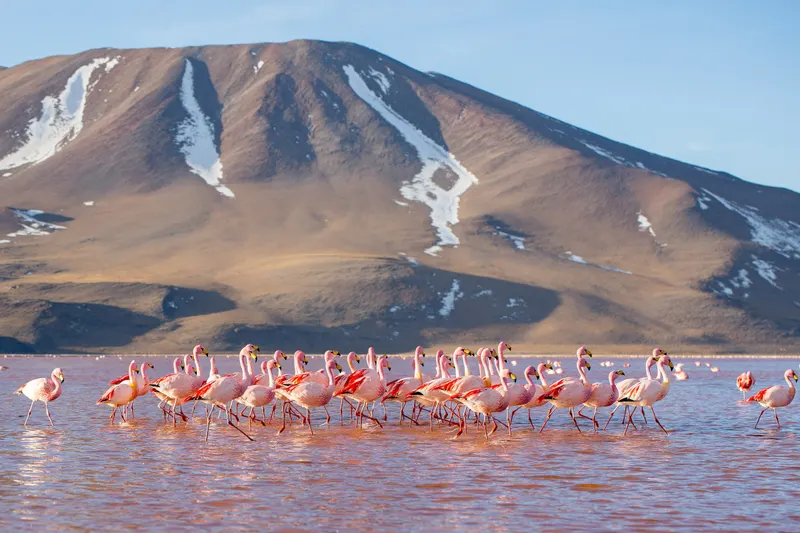
| Likely sightings | Macaws, parrots, monkeys, peccaries, insects | Caimans, capybaras, turtles, monkeys, birds, pink river dolphins |
| Effort | Forest walks in the heat, moderate fitness | Mostly by boat, easy |
| Entry fee (Sep 2026) | Bs 200 (about US$17), cash | Bs 150 (about US$12.50), cash |
The Madidi National Park jungle tour
Jungle tours leave Rurre by motorized canoe and spend about 3 hours going up the Beni, through the El Bala gorge and into the Tuichi River to the lodges. Typical itineraries include forest walks where the guide explains plants used in medicine and building, a hike of about 3 hours to a clay cliff where macaws nest, a float down the Tuichi on a log raft you help build, a night walk and an optional night camping under a mosquito net.
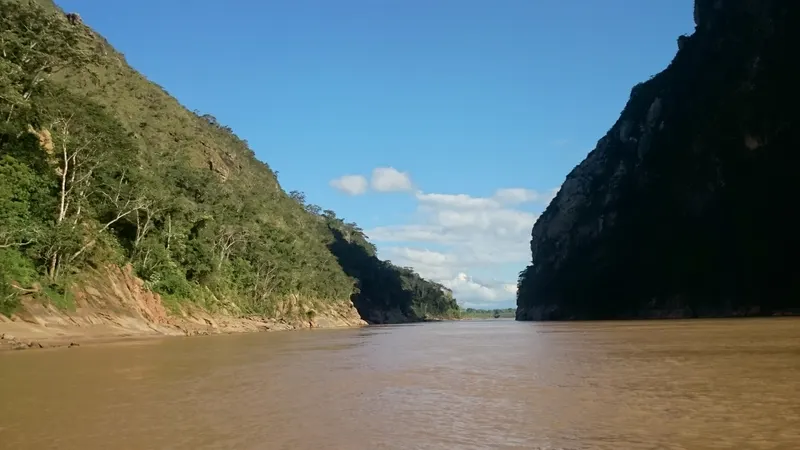
Madidi National Park, created in 1995, covers 18,957 km² and runs from 180 m to 5,760 m above sea level. Its bird list tops 1,200 species, and in 2018 the Wildlife Conservation Society called it the most biodiverse park in the world. Jaguars live in the park, but sightings are unlikely, so go for the macaws and monkeys.
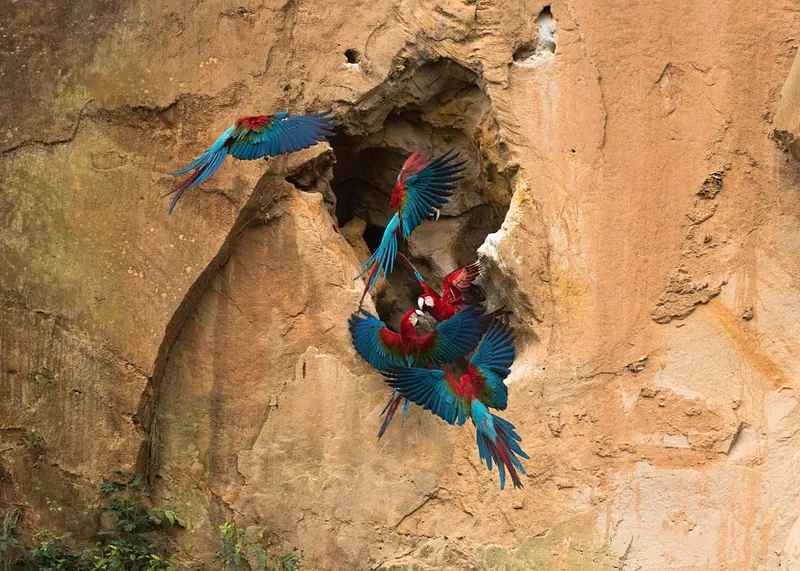
The pampas tour (Pampas del Yacuma)
The Pampas del Yacuma are a 616,453-hectare municipal protected area in Beni, created in 2007. Tours drive about 3 hours via Reyes to Santa Rosa, where you pay the entry fee, then take a boat on the Yacuma River to the lodge, a ride of 15 minutes to about 3 hours depending on the lodge.
A typical 3-day itinerary includes sunset over the grasslands, a night boat ride spotting caimans by flashlight, daytime boat trips for capybaras, turtles and birds, a stretch of river where pink dolphins gather, a walk to look for anacondas, and piranha fishing. Bamba, which sells a La Paz package on Viator, rates the chance of seeing an anaconda at about 50%.
Our call
With three days and a wildlife wish list, do the pampas. For rainforest and a community-owned lodge, pick Madidi. With five days, do both.
How much do Madidi tours cost in 2026?
The boliviano was floated on June 26, 2026, and traded at about Bs 12 to the US dollar on September 30, so dollar prices in guides written before the float are out of date.
| Item | Price (Sep 2026) | Source or note |
|---|---|---|
| Shared pampas, 3 days, booked in Rurre | US$120-200, or Bs 700-1,200 (US$58-100) | bolivianlife.com, Aug and Sep 2026 |
| Shared Madidi, 3 days, booked in Rurre | US$150-280 | bolivianlife.com, Aug 2026 |
| Madidi Jungle Ecolodge, 3 days | US$290 | Lodge website |
| Viator pampas, 3 days | From about US$425 | Private room, 6 people max |
| Viator Madidi and pampas, 4 or 5 days | From about US$560 or US$680 | Bilingual guide, transfers |
| Madidi entry | Bs 200 (about US$17) | Cash, not in tour prices |
| Pampas entry | Bs 150 (about US$12.50) | Cash, paid in Santa Rosa |
Older guides quote lower park fees (Wikivoyage lists Bs 80 for Madidi), bolivianlife puts the pampas closer to Bs 200, and one trip report updated in 2026 adds a Bs 80 river checkpoint fee. Carry spare bolivianos.
For a shared 3-day tour booked in town, a round-trip flight (US$176-238), the tour and the park fee come to roughly US$245-450 per person for the pampas and US$345-535 for Madidi, before hotels, drinks and tips. The Viator prices below exclude flights too.
Rurrenabaque tours you can book online (September 2026)
Book on Viator From $5604-Day Amazon Tour: Madidi & Yacuma Pampas from RurrenabaqueCheck availability
 From $4253-Day Yacuma Pampas Wildlife Tour from Rurrenabaque at Eco LodgeCheck availability
 From $6805-Day Madidi & Pampas Amazon Tour from RurrenabaqueCheck availability
Prices in US$ per person from Viator as of Sep 30, 2026. They change; you see the final price before paying.
All three are sold by Howlanders and run by Mashaquipe Eco Tours from its office on Calle Abaroa, between Santa Cruz and Vaca Díez. None has more than two reviews. Cancel 6 or more days out for a full refund, 2 to 6 days out for half, and later for nothing. The higher cost buys a price fixed in dollars before you fly, an English- and Spanish-speaking guide, and pickup at the airport or your hotel. Each itinerary includes an anaconda search and a swim near pink river dolphins, so read the next section first.
Booking at an agency in town costs less and lets you meet the guide, but you pay cash with no platform behind you if something goes wrong. The only package that includes the La Paz flights is 5 days from La Paz, from about US$1,310, non-refundable and without reviews so far.
How to choose an ethical tour operator in Rurrenabaque
Bolivia has no official minimum standards for adventure tour operators, according to the UK Foreign Office. Traveler reports on Wikivoyage describe pampas guides grabbing snakes barehanded, animals trapped in advance and kept in poor conditions, some theft and physical abuse, and high-season boat traffic that harms wildlife on the small Yacuma River. Before you pay, get the agency to confirm these points:
- Nobody catches or holds anacondas, caimans or other snakes for photos.
- Nobody feeds monkeys or caimans.
- You watch pink river dolphins from the boat. Bolivia’s Law 284 of 2012 makes the bufeo, the Bolivian river dolphin, part of the state’s natural heritage, and the IUCN lists the Amazon river dolphin as Endangered.
- The agency names your guide before you pay, and the guide speaks your language.
- The group size is fixed in writing (6 on the Viator pampas trip, up to 15 on the combos).
- Every boat has a life jacket for each passenger (our advice).
- The price sheet lists what’s excluded, usually park fees and drinks.
Walk away if
The agency promises you can hold an anaconda, sells a dolphin swim as the highlight, quotes far below other agencies, or can’t name your guide.
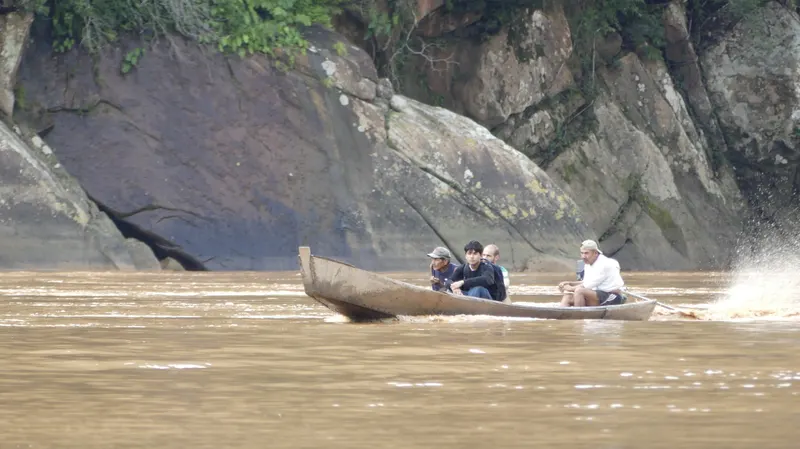
Community lodges in Madidi: Chalalán and Madidi Jungle Ecolodge
Chalalán Ecolodge belongs to San José de Uchupiamonas, a Quechua-Tacana community, and has run since 1999 on the shore of Laguna Chalalán inside the park, with packages of 3 to 6 days and bilingual naturalist guides. Its website doesn’t publish prices; ask by email. Yossi Ghinsberg helped get it built by connecting the community with the Inter-American Development Bank, which put up US$1.25 million; he stayed from 1992 to 1995.
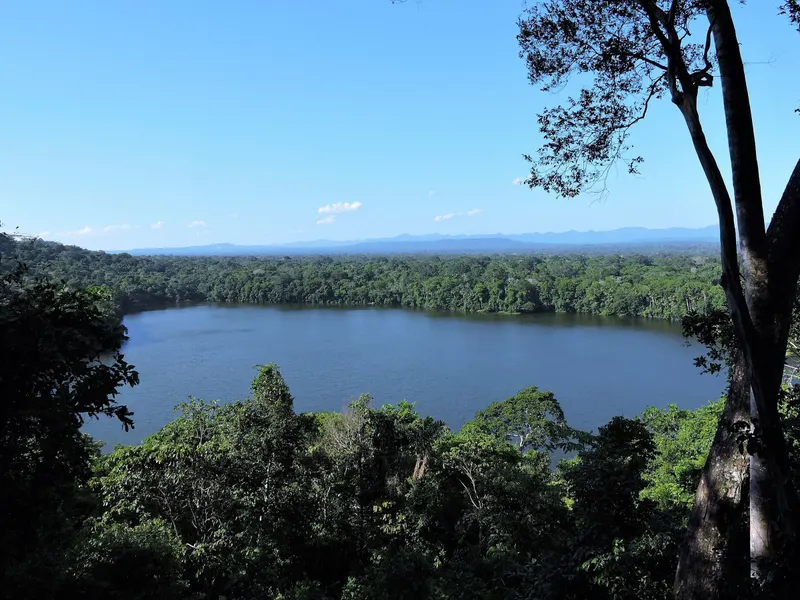
Madidi Jungle Ecolodge, founded and run by indigenous people from the same community, keeps an office in Rurre on Avenida Comercio between Vaca Díez and Campero. Its website lists 2 days for US$205, 3 for US$290 and 4 for US$375, without saying whether that’s per person or what’s included, so ask. Wikipedia lists other lodges around the park, but we couldn’t confirm which are open in 2026.
The Tuichi River and the story behind the film Jungle
In 1981 Yossi Ghinsberg separated from his three companions near the Tuichi River and spent about three weeks lost alone, until a search led by Abelardo “Tico” Tudela found him. Kevin Gale also survived; Marcus Stamm and Karl Ruprechter were never found. Ghinsberg wrote Back from Tuichi (1984), and the 2017 film Jungle, starring Daniel Radcliffe, retold it. On an organized tour the practical risks are heat, insects, mosquito-borne disease and river travel, so stay with your guide on every walk.
How to get from La Paz to Rurrenabaque
| Option | Time | Cost (Sep 2026) | Watch out for |
|---|---|---|---|
| EcoJet flight, El Alto (LPB) to Rurrenabaque (RBQ) | About 40 min, about 3 flights a week | US$90-160 one way, US$176-238 round trip | Low cloud can stop landings; return flights can run a day late |
| Overnight bus from Villa Fátima, La Paz | 14-20+ h | About Bs 80 (US$7) before the diesel price rise | Mud, fallen trees, blockades, theft at the terminal |
Flying to Rurrenabaque
EcoJet flies the route, and Kayak shows departures on Monday, Wednesday and Friday. If that pattern holds, a 3-day tour fits into five days, with a Monday flight in, a Tuesday-to-Thursday tour and a Friday flight out. Spanish-language Wikipedia also lists BoA; check both airlines. Amaszonas stopped flying in August 2023, so ignore guides that still list it.
Flights leave El Alto International Airport and land 2-3 km northeast of Rurre. Low cloud over the hills can stop planes from landing, and Reyes airport, about an hour away by road, is the fallback. Bamba advises leaving at least two days between the end of your tour and any flight out of La Paz, because return flights from Rurre can run 24 hours late.
Search flights to Rurrenabaque. If nothing shows up (our September 30 check found no online-agency fares on this route), book directly with EcoJet. For the international leg, see flights to La Paz.
By bus from La Paz
Buses leave the Villa Fátima area of La Paz, around the Minasa terminal, and run via Caranavi and Yucumo. Estimates run from 14-16 hours in the dry season (Wikivoyage) to 18-20 (Howlanders); one September 2026 itinerary leaves at 4:30 p.m. and arrives at 6 a.m. The fare was about Bs 80 before the September 18 diesel price rise, so expect more, and confirm at the terminal which companies are running.
Canada’s travel advice flags petty crime at Minasa. The UK warns that tickets sold as “condicionado” don’t guarantee you’ll arrive. In the rainy season, road crews clear fallen trees on the Yucumo-Rurrenabaque stretch. Rurre’s own terminal is outside the center, a mototaxi ride away. To split the trip, stop in Coroico, about 3 hours from La Paz.
Current conditions (as of September 2026)
A state of exception, in force since June 20, runs to about mid-December 2026, and the decree extending it allows a state of siege with possible curfews. Road blockades cut off La Paz from May 1 to June 23, and Beni’s tourism director reported heavy tourism losses across the department. Diesel went from Bs 9.80 to Bs 17.95 a liter on September 18, and the US Embassy warned on September 9 of protests over fuel. Fly if you can, keep a spare day at each end, book refundable, and read is Bolivia safe right now.
Best time to visit Rurrenabaque and Madidi
Rurre is hot all year, with average highs of 28-33 °C (83-91 °F) and about 2,107 mm (83 in) of rain a year. Dry-season nights can drop to 7 °C (45 °F), and rainy-season afternoons can hit 38 °C (100 °F).
| Month | High °C (°F) | Low °C (°F) | Rain (mm) |
|---|---|---|---|
| Jan | 31.4 (89) | 21.8 (71) | 318 |
| Feb | 31.1 (88) | 21.7 (71) | 307 |
| Mar | 31.5 (89) | 21.3 (70) | 241 |
| Apr | 31.1 (88) | 20.3 (69) | 158 |
| May | 29.3 (85) | 18.5 (65) | 131 |
| Jun | 28.1 (83) | 17.1 (63) | 129 |
| Jul | 28.4 (83) | 16.0 (61) | 88 |
| Aug | 30.5 (87) | 16.5 (62) | 73 |
| Sep | 32.0 (90) | 18.1 (65) | 77 |
| Oct | 32.6 (91) | 20.1 (68) | 135 |
| Nov | 32.1 (90) | 20.9 (70) | 193 |
| Dec | 31.8 (89) | 21.6 (71) | 256 |
Normals from SENAMHI, Bolivia’s weather service, via Wikipedia; for today’s weather, see the SENAMHI forecast (in Spanish).
May to October
Drier monthsJuly to September get under 90 mm of rain a month. Wildlife gathers along the rivers, trails firm up and mosquitoes thin out. Expect some smoke haze in the wildfire season, which the UK dates to May-October. Verdict: the best months for the pampas and for doing both trips.
November to April
Rainy seasonExpect 158-318 mm of rain a month, peaking in January, with muddy trails, more mosquitoes and road and flight delays. Bamba warns that pampas sightings drop sharply in the wet season, when high water lets animals spread out. Verdict: Madidi still works because you travel by boat. Add spare days.
For the rest of the country, see the best time to visit Bolivia.
Yellow fever, malaria and health
The CDC recommends the yellow fever vaccine for travelers 9 months and older going below 2,300 m east of the Andes, which includes all of Beni, but not for trips limited to La Paz city. Bolivia’s Ministry of Health says to get it at least 10 days before you travel and that one dose protects for life; its list of 2012-2025 cases includes San Buenaventura, across the river from Rurre. Sources disagree on whether anyone checks the certificate. The CDC says Bolivia requires it from all arrivals aged 1 and over, the UK and Canada say only from those arriving from a risk country, and Chile’s consulate says Rurrenabaque requires it. Get the shot and carry the yellow card.
The CDC reports malaria in all of Bolivia below 2,500 m (99% of it P. vivax) and none in La Paz city, and recommends antimalarials; a travel-medicine doctor can tell you which one suits you. Pack repellent for dengue, a year-round risk. Bring enough of any prescription medicine for the whole trip, since UK and Canadian advice warns of shortages in Bolivia. Rurre has no altitude issue, but you fly back to 4,061 m at El Alto; see altitude sickness in La Paz. US citizens have entered Bolivia visa-free since December 1, 2025, and other passports are covered in Bolivia entry requirements.
Things to do in Rurrenabaque town
For a spare day before or after your tour:
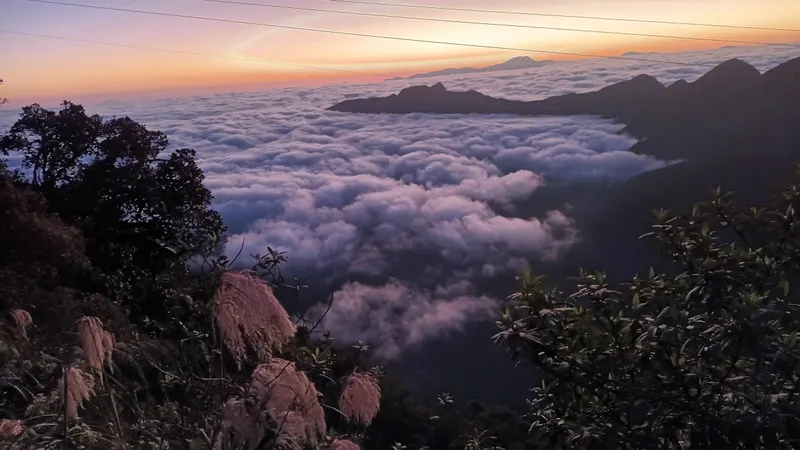
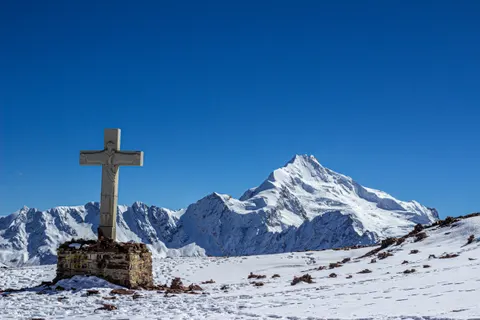
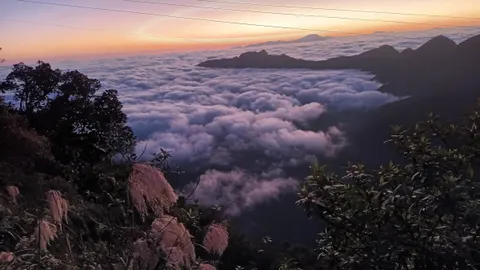
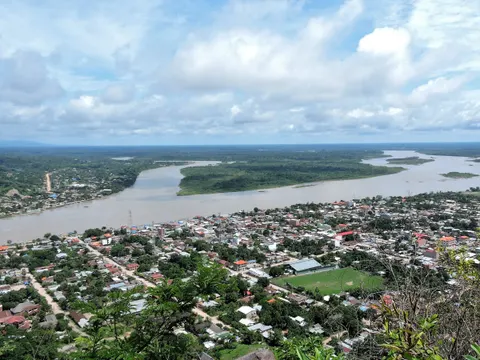
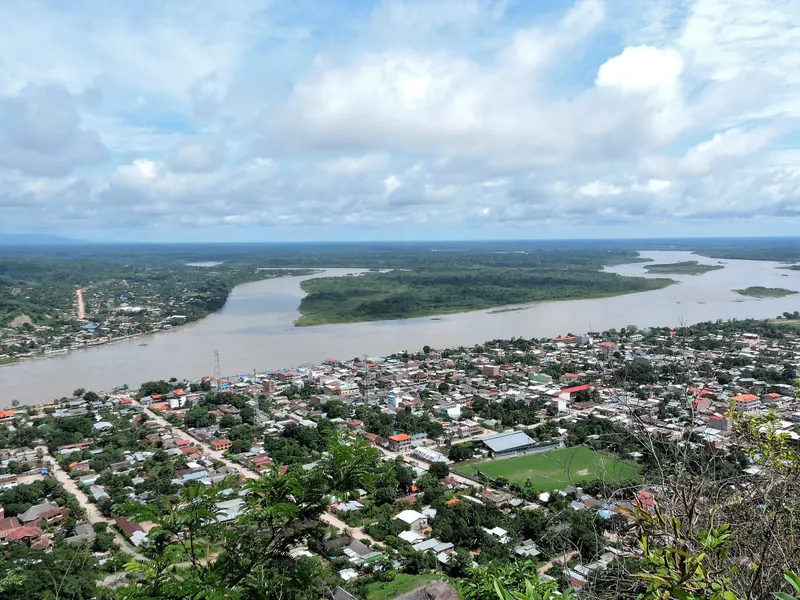
- Mirador La Cruz: the viewpoint in our top photo, about 2 km from the center by trail.
- El Chorro: a waterfall about 1 km upstream.
- Canopy Villa Alcira: a zipline with 8 lines, reached by a 15-minute boat ride and a 45-minute hike.
- Centro Cultural Tacana: a small museum and indigenous crafts in San Buenaventura, across the river.
- Fiestas: the Fiesta de Rurre on February 2, the town’s anniversary, and the Feria Artesanal crafts fair on the first weekend of September.
Where to stay in Rurrenabaque
Plan on a night before your tour and usually one after; operators pick up from hotels and the airport. Rurre is hot all year, so check for air conditioning or a fan, and screens or a mosquito net.
| Hotel | Price | Best for | Check rates on Expedia |
|---|---|---|---|
| Casa de Campo | $$$40-80/night | A small, personal B&B stay between tours | See area |
| La Isla de los Tucanes | $$$40-80/night | A pool and garden to recover after the jungle | See area |
| Hotel Ambaibo | $$$40-80/night | A mid-range hotel with a pool and a 24-hour desk | See rates |
| Hotel Pampa & Selva | $under $40/night | Air-conditioned rooms on a budget | See area |
| Mirador Jungle El Macuti | $under $40/night | Jungle views and quiet above town | See area |
| El Curichal Hostel | $under $40/night | Backpackers who want a pool and tour partners | See rates |
| Lobo Hostel Rurrenabaque | $under $40/night | Riverside hostel with jungle views | See rates |
Price band for a double room in the dry season. Confirm rates and dates on Expedia.
See all Rurrenabaque hotels on Expedia, and for your night in the city, where to stay in La Paz.
Money and what to pack
Park fees are paid in cash in bolivianos, and Rurre’s ATMs can’t be counted on. Bamba calls them unreliable, Wikivoyage reports frequent shortages, and Howlanders says there are none. Bring cash from La Paz for fees, tips and a spare day, and see our Bolivian currency guide on ATMs and changing dollars. Tipping guides about US$5 a day is customary but optional.
Pack repellent, light long sleeves and long pants, a headlamp (some jungle camps have no electricity), a refillable bottle, a power bank, and a fleece for June to August nights. Pampas operators lend rubber boots.
To fit Rurrenabaque into a longer trip, see our Bolivia itinerary and the best places to visit in Bolivia. Back in La Paz with a day to spare, pick from the best tours from La Paz.
Frequently asked questions
How do I get from La Paz to Rurrenabaque?
Fly or take the bus. As of September 2026, EcoJet flies from El Alto airport to Rurrenabaque in about 40 minutes, roughly three times a week, for about US$90-160 one way. Overnight buses from La Paz's Villa Fátima area take 14-20 hours or more via Caranavi and Yucumo, and the fare was about Bs 80 before diesel prices rose on September 18, 2026. In the rainy season or during blockades, fly.
Should I do the pampas or the jungle tour?
Do the pampas if you want the most animals for the least effort: caimans, capybaras, turtles, birds and pink river dolphins, mostly seen from a boat. Pick the Madidi jungle for rainforest walks, a macaw clay cliff and community-run lodges, knowing big mammals are rarely seen. With four or five days, do both. Between November and April, tour seller Bamba warns that pampas sightings drop as the rivers rise.
How much does a Rurrenabaque tour cost?
As of September 2026, shared 3-day tours booked in town cost roughly US$60-280, and quotes vary a lot between sources. On Viator, a 3-day pampas tour starts at about US$425 and the 4- and 5-day jungle-and-pampas combos at about US$560 and US$680. Park fees are extra and paid in cash: Bs 200 (about US$17) for Madidi and Bs 150 (about US$12.50) for the pampas.
Do I need a yellow fever vaccine for Rurrenabaque?
The CDC recommends it for everyone 9 months and older traveling to Beni, the department Rurrenabaque is in, and Bolivia's Ministry of Health says to get it at least 10 days before you go. Sources disagree on whether the certificate is checked. Chile's consulate says it's required for Rurrenabaque, while the UK and Canada say it's only required if you arrive from a risk country. Get the shot and carry the yellow card.
Is there malaria in Rurrenabaque?
Yes. The CDC reports malaria transmission in all areas of Bolivia below 2,500 m, which includes Rurrenabaque, Madidi and the pampas, and none in La Paz city. About 99% of cases are P. vivax. The CDC recommends antimalarial medication for these areas, so ask a travel-medicine doctor which drug suits you. Dengue is a year-round risk too; pack insect repellent and use it.
When is the best time to visit Madidi National Park?
July to September is the driest stretch, with under 90 mm of rain a month in Rurrenabaque, firmer trails, fewer mosquitoes and wildlife gathered near the rivers. May, June and October get 129-135 mm. From November to April, rain runs 158-318 mm a month, trails turn muddy, and flights and roads suffer delays. Madidi still works in the wet months because you reach the lodges by boat.
Is it OK to swim with pink river dolphins?
We'd watch them from the boat. Bolivia's Law 284 of 2012 declares the bufeo, the Bolivian river dolphin, part of the state's natural heritage and orders its protection, and the IUCN lists the Amazon river dolphin as Endangered. Several September 2026 pampas itineraries still offer a swim if conditions are right. Tell your operator before you pay that you'd rather skip it, and never touch or feed the dolphins.
Why is Madidi National Park considered dangerous?
Its reputation comes mostly from one story. In 1981 Yossi Ghinsberg was lost alone for about three weeks near the Tuichi River, and two of his companions were never found. His book and the 2017 film Jungle retold it. On an organized tour the practical risks are heat, insects, mosquito-borne disease and river travel. Stay with your guide on every walk, and read is Bolivia safe right now before you go.
Keep planning