



Quick answer
Plan La Paz, Bolivia around the altitude. The airport sits at 4,061 m and the center at about 3,640 m, so keep your first day easy. Carry bolivianos in cash (about Bs 12 per US$ as of September 2026), use radio taxis or ride-hailing apps, and save 110 (police) and (2) 222 5016 (Tourist Police). US citizens no longer need a visa. A state of exception runs to about mid-December 2026, so check roads before overland trips.
On this page
- La Paz travel tips for your first days
- Current situation in La Paz (September 2026): protests, fuel and roads
- Altitude: plan your first 48 hours
- Money in La Paz: cash, cards and the 2026 exchange rate
- Getting around: cable car, minibuses, taxis and Uber
- Safety basics and emergency numbers in La Paz
- SIM cards, eSIM and Wi-Fi
- Plugs, time zone, language and water
- Tourist information offices in La Paz
- What to pack for La Paz
- Entry rules and travel insurance in brief
- Frequently asked questions
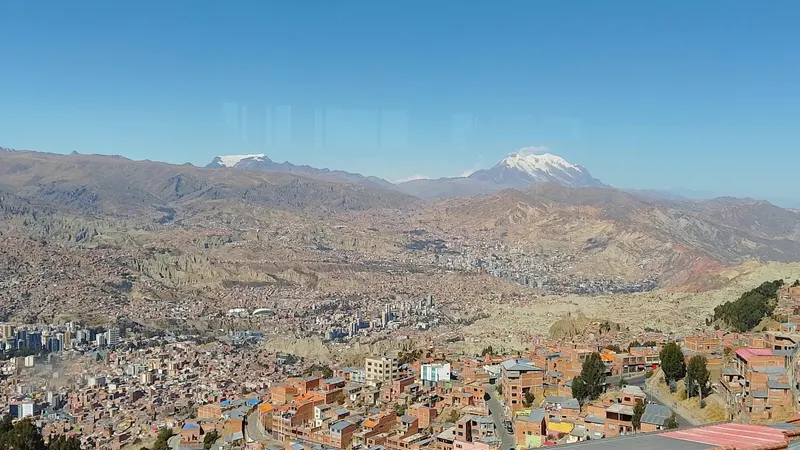
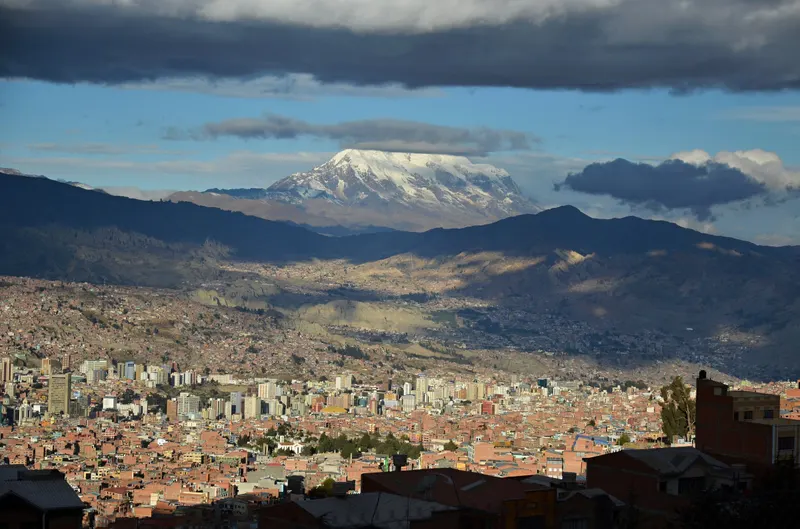
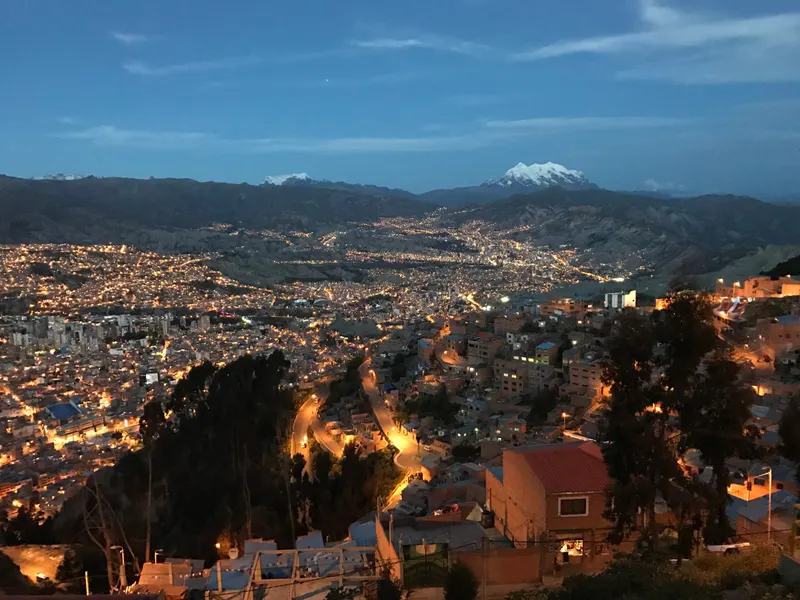
These La Paz travel tips are for first-time visitors to La Paz, Bolivia (not La Paz in Baja California Sur, Mexico). We checked every fact on September 30, 2026, and dated the volatile ones, because Bolivia’s currency, fuel prices and security rules all changed this year.
- Altitude
- about 3,640 m (11,940 ft)
- Cash
- about Bs 12 per US$ (Sep 2026)
- Time zone
- UTC-4, no daylight saving
- Plugs
- A and C, 230 V
- Police
- 110
- Tourist Police
- (2) 222 5016
La Paz travel tips for your first days
- Take day one slowly. No Death Road, Chacaltaya or alcohol for 48 hours.
- Convert at about Bs 12 per dollar. The old rate of 6.96 ended in June 2026.
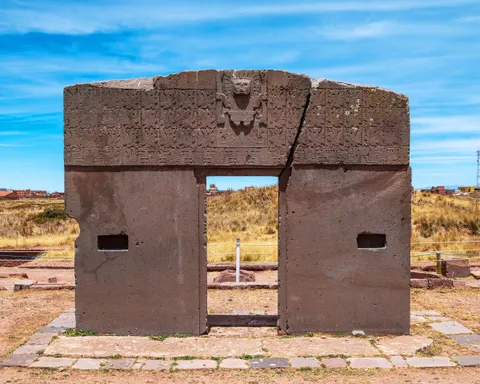
- Carry small bolivianos for minibuses, markets and Tiwanaku’s cash-only ticket office.
- Use radio taxis or ride-hailing apps, never street-hailed cars.
- Save two numbers: 110 (police) and (2) 222 5016 (Tourist Police).
- Leave a spare day before international flights in case roads close.
Current situation in La Paz (September 2026): protests, fuel and roads
The US State Department rates Bolivia Level 2, “exercise increased caution” (August 17, 2026), with Level 4 only for Chapare Province in Cochabamba; the UK and Canada also single out Chapare.
Current situation (September 30, 2026)
- State of exception: declared June 20 (the UK says June 21) and extended in mid-September to about mid-December. The extension allows curfews; Canada’s September 27 update reports none.
- Blockades: from May 1 to June 23, 2026 (about 53 days) they cut off La Paz and El Alto and caused food, fuel and medical-oxygen shortages.
- Fuel: diesel rose from Bs 9.80 to Bs 17.95 a liter on September 18. Gasoline didn’t, but fuel queues recur.
- Transport: a 24-hour drivers’ strike hit Sucre and Santa Cruz on September 28, not La Paz; talks with the government began the next day. Heavy-transport unions have warned they could block border crossings (Opinión, September 24).
- Watch October 13: former president Evo Morales threatened protests from that date unless the diesel rise is reversed (Infobae, September 28).
Blockades hit the overland legs: Copacabana, the road to Uyuni, Coroico and the border toward Puno and Cusco. In June the US Embassy told its citizens not to travel by road between cities. Book refundable, treat a bus ticket sold as condicionado as no promise of arrival, and fly the long legs when roads close (La Paz to Uyuni, Cusco to La Paz).
How to check for blockades today
Check the highway authority’s ABC road-status map (behind a captcha; it may not load from abroad), US Embassy alerts and the state news agency ABI, then ask your hotel the evening before.
Altitude: plan your first 48 hours
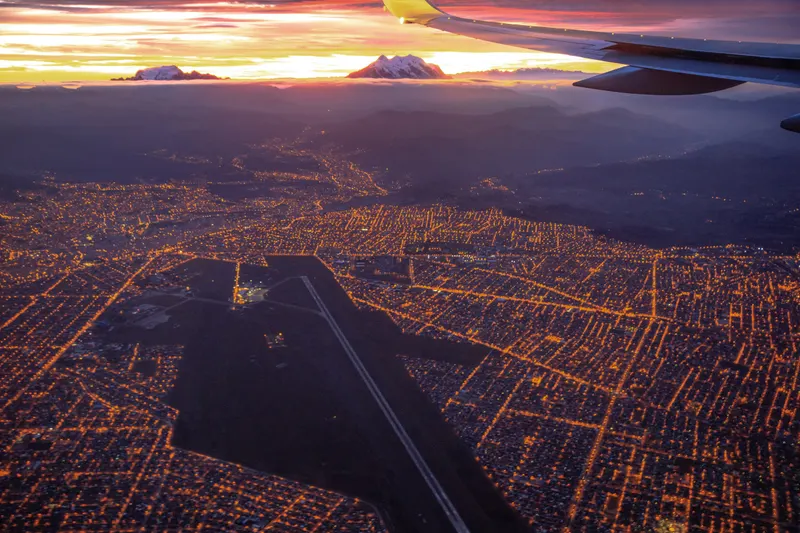
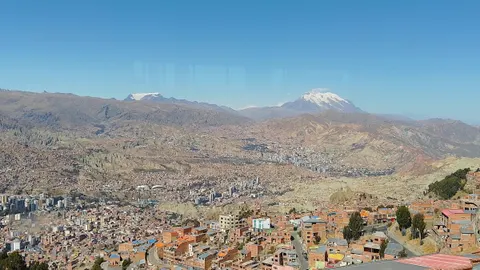
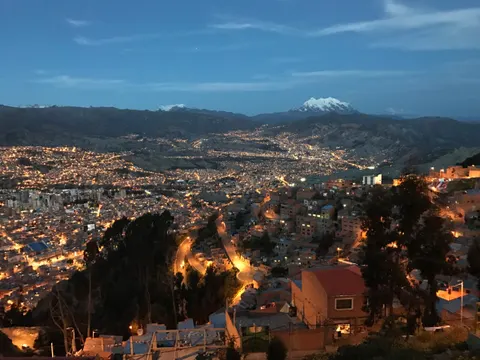
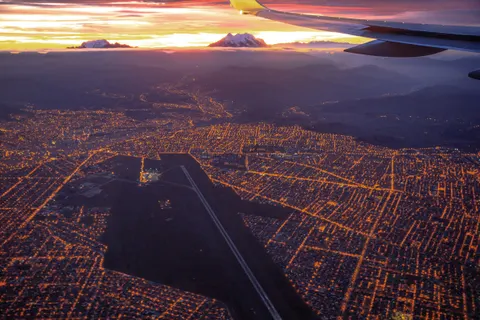
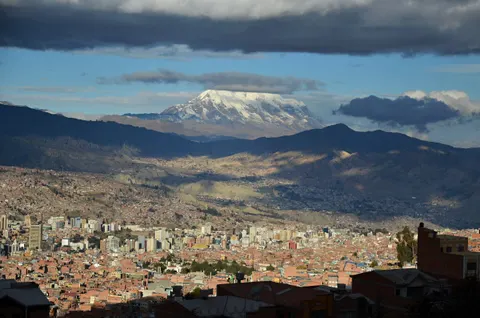
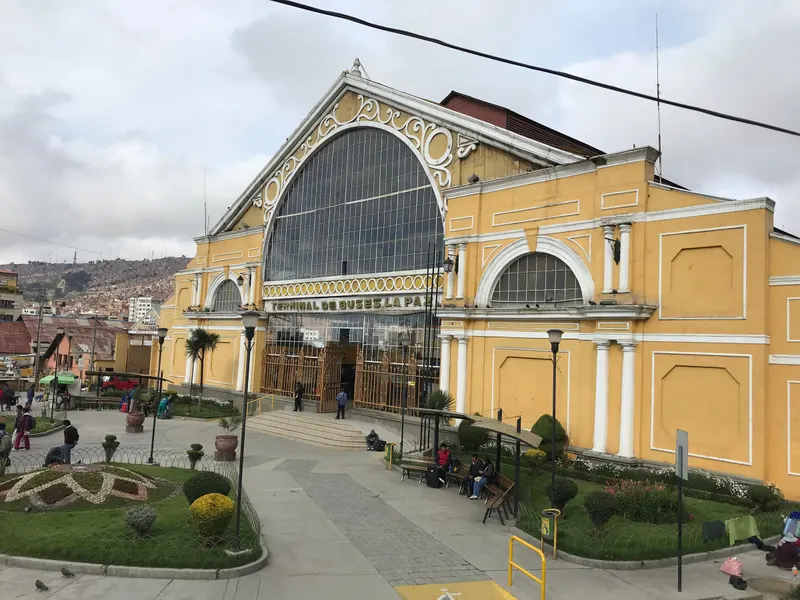
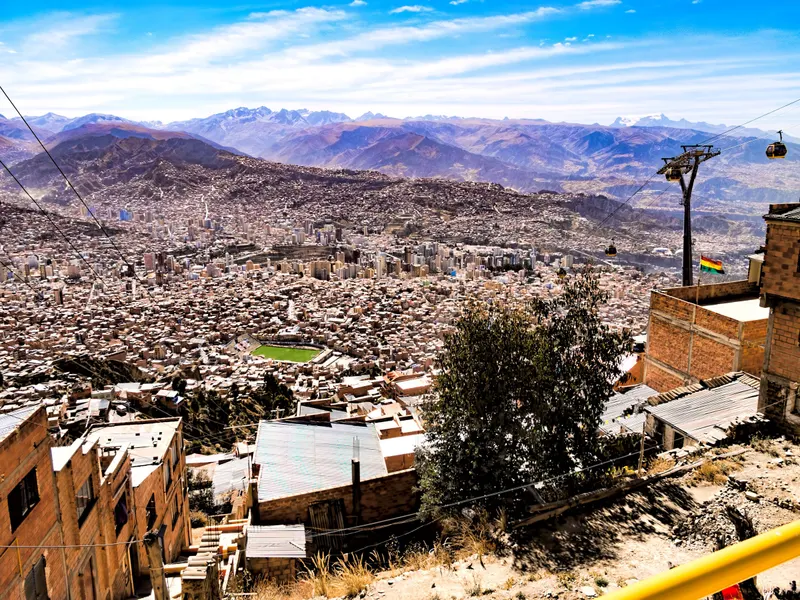
Expect to stop for air on the climb up Calle Sagárnaga. El Alto airport sits at 4,061 m (13,325 ft) and central La Paz at about 3,640 m (11,940 ft). The CDC rates flying straight to above 3,400 m as high risk, names La Paz as its example, and puts altitude-illness rates near 50% after such rapid ascents.
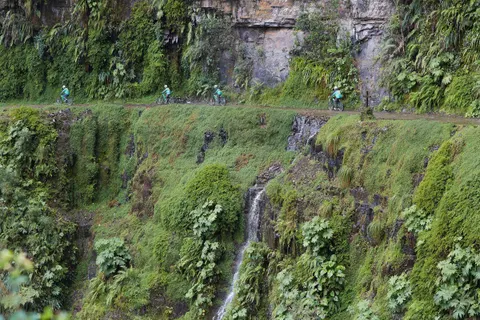
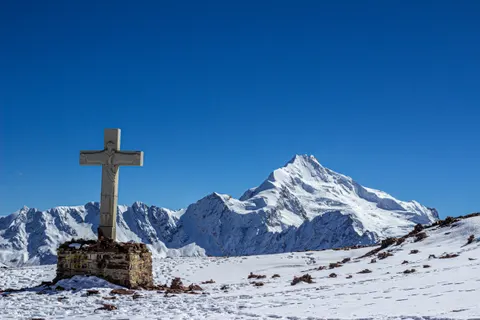
Rest on day one and skip alcohol for 48 hours. Save Chacaltaya (over 5,300 m) and the Death Road (from about 4,650 m) for day three or later. If the altitude worries you, sleep in Zona Sur, at about 3,200-3,300 m (where to stay), and ask a travel-medicine doctor about acetazolamide. Headache with nausea means rest and go no higher; confusion, stumbling or breathlessness at rest means get help and descend (altitude sickness guide).
Money in La Paz: cash, cards and the 2026 exchange rate
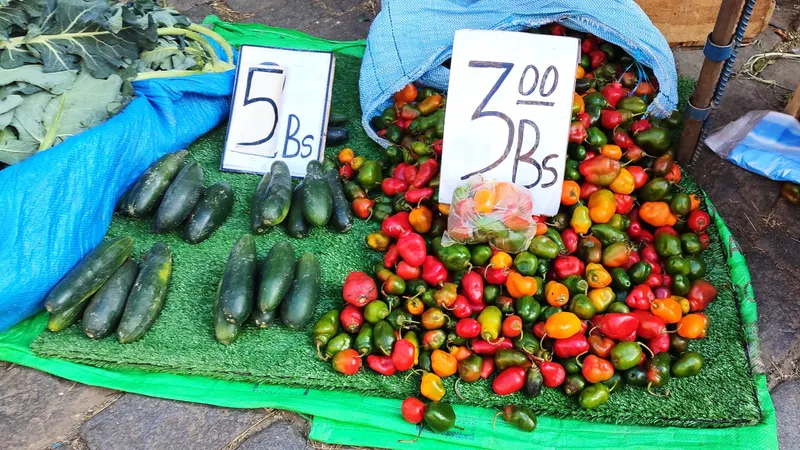
Bolivia floated the boliviano in late June 2026 (June 26 per the central bank, June 29 per Wikipedia). The official rate was Bs 12.02 per US dollar on September 30, 2026. At the old 6.96, a Bs 3 cable-car ride looked like US$0.43; it costs about US$0.25.
Bigger hotels and restaurants take cards; minibuses, markets, taxis and Tiwanaku want cash (local QR payments need a Bolivian bank app). Most ATMs pay out bolivianos only, up to about Bs 2,000 (US$165) a withdrawal, per traveler ATM guides; use machines inside banks and decline the dollar conversion. Bring clean US bills as backup (Canada warns that Canadian dollars are hard to change) and exchange them at banks or casas de cambio (Bolivia currency guide).
Cash prices in September 2026 (about Bs 12 per US$)
| Item | Bs | ≈ US$ |
|---|---|---|
| Mi Teleférico ride (Bs 2 more per transfer) | 3 | 0.25 |
| City minibus ride, daytime | 3-3.50 | 0.25-0.30 |
| Set lunch (almuerzo) | about 18 | 1.50 |
| Valle de la Luna entry | 15 | 1.25 |
| MUSEF (ethnography museum) entry | 35 | 2.90 |
| Tiwanaku entry (cash only) | 100 | 8.30 |
| Taxi, airport to the center (approx.) | 70-150 | 6-12.50 |
| Death Road municipal fee | 50 | 4.20 |
Tipping in La Paz
Tips are voluntary. The amounts come from UK operator Andean Trails (October 2024), with dollars at Bs 12.
- Restaurants: 10-15%, unless the bill already adds a service charge.
- Guides: Bs 80-160 (US$7-13) a day, pooled by the whole group.
- Group-tour drivers: Bs 50-90 (US$4-7.50) a day, also pooled.
- Porters and housekeeping: Bs 5-7 a bag; Bs 6-10 a day for the room.
- Taxis: not expected; round up.
Getting around: cable car, minibuses, taxis and Uber
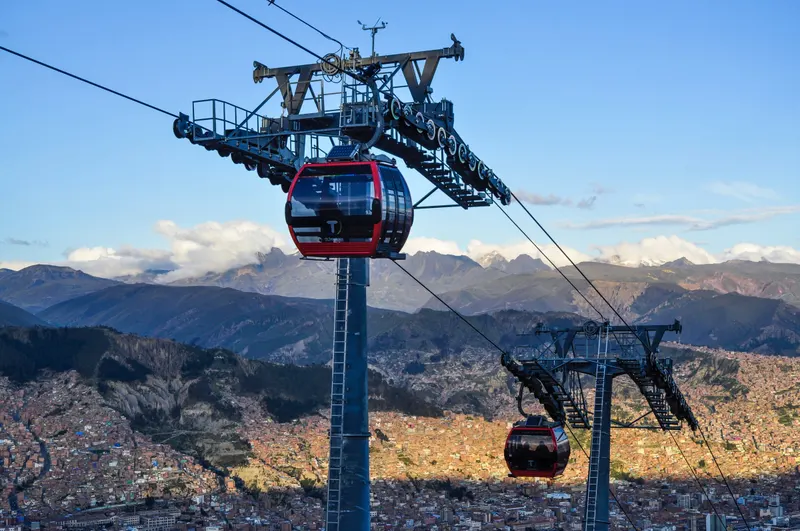
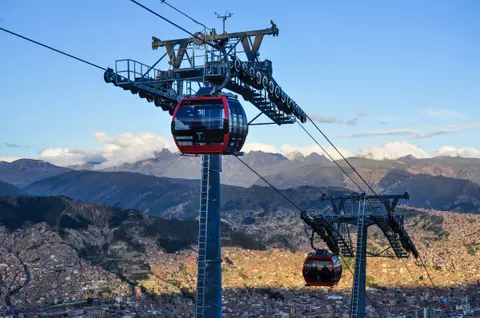
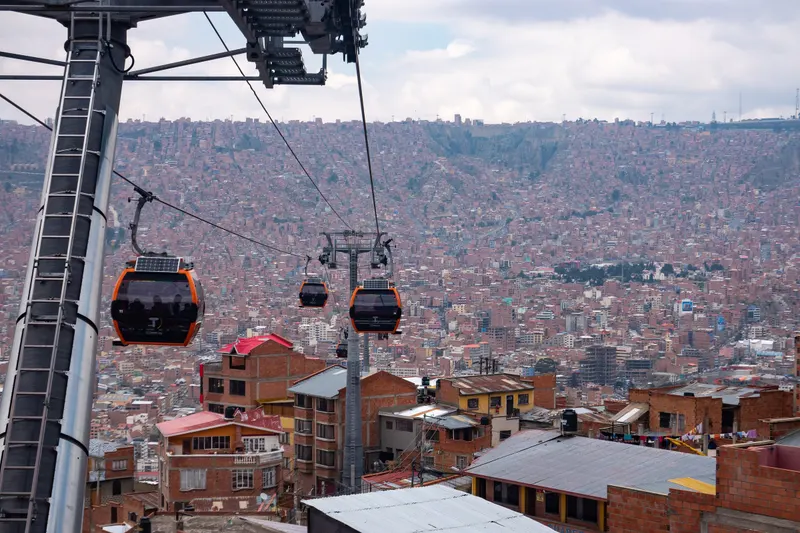
Mi Teleférico’s 10 cable-car lines cost Bs 3 (about US$0.25) a ride plus Bs 2 per transfer, paid in cash at the station booth. The Ministry of Public Works lists 06:30-22:30 (Sundays 07:00-21:00) and the operator’s site 06:00-23:00; plan on the shorter window (Mi Teleférico guide). Minibuses (shared vans on fixed routes) charge Bs 3-3.50 by day and Bs 3.30-3.80 after 9 p.m., fares that held after the September diesel rise.
Is there Uber in La Paz, Bolivia?
Yes, and inDrive and Yango work here too. Apps quote the fare up front; La Paz taxis have no meters. The other safe option is a radio taxi, with the company name and phone number on a roof sign. Never hail cars on the street or share one with strangers.
From El Alto airport to the city
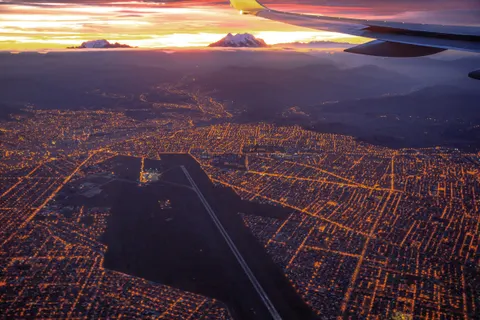
The airport is 13 km west of the center, 30-50 minutes by road. Unmetered taxis charged roughly Bs 70-150 (US$6-12.50) in 2025-2026 reports, so agree the price first. NAABOL, the airport operator, publishes a taxi-zone map, and free terminal Wi-Fi lets you order an Uber. For a late landing, a private arrival transfer runs from about US$28, though it has few reviews so far. Our El Alto airport guide has the cheaper bus and cable-car route.
Day two: a walking tour to get your bearings
Walking tours for your first days in La Paz
Book on Viator From $10City Tour plus Cable Car La PazFree cancellationCheck availability
 From $5La Paz City Walking Tour Including Historical StreetsFree cancellationCheck availability
 From $8Be a Local - La Paz Walking TourFree cancellationCheck availability
Prices in US$ per person from Viator as of Sep 30, 2026. They change; you see the final price before paying.
- City Tour plus Cable Car (from about US$10): starts at San Francisco church and rides the Teleférico up to El Alto’s witches’ market, above 4,000 m, plus the flea market on Thursdays and Sundays.
- La Paz City Walking Tour (from about US$5): the cheapest. The guide in a red cap waits near the statue in Plaza San Pedro; tips are extra.
- Be a Local (from about US$8): a private walk from Plaza Murillo with an English-speaking guide. Thursdays and Sundays add the Teleférico, El Alto’s flea market and a cholitas wrestling show.
Day trips are in our La Paz tours comparison.
Safety basics and emergency numbers in La Paz
| Who | Number | Note |
|---|---|---|
| Police (Radio Patrulla) | 110 | |
| Fire | 119 | |
| Ambulance | 118 | Canada lists 165 for La Paz |
| Tourist Police | (2) 222 5016 | +591 2 222 5016 from abroad |
| Gender-based violence hotline | 800-14-0348 | Free, listed by Canada |
| US Embassy | +591 2 216-8000 | After hours +591 2 216-8500 |
| Embassy of Canada | (2) 218 3030 | Calacoto, Zona Sur |
| UK citizens (FCDO) | +44 20 7008 5000 | 24 hours, London |
Reporting a theft for insurance
Take your passport and your lodging’s address to the Tourist Police and ask for a written report. Spain places the office by the Hernando Siles stadium in Miraflores; a 2025 transit-app listing puts one on Avenida Uruguay. We couldn’t confirm either, so call first.
UK and Canadian advisories flag three scams. Fake police carry fake IDs and uniforms, but real officers need a prosecutor’s written order to search you on the street, so never get into an unmarked “police” car. In the spill, someone splashes you, a helper wipes it off and an accomplice takes your bag. In express kidnappings, a criminal taxi picks up accomplices who force you to withdraw cash; the UK reports incidents around the Cementerio General and Sopocachi (is La Paz safe?).
Skip these
- San Pedro prison tours. Illegal, says the UK Foreign Office.
- Street money changers. Counterfeit risk, and their rate sat within about 1% of the official one (early September 2026).
- Any drugs. Any amount counts as trafficking (minimum 8 years), and narcotics police search departing international passengers’ bags.
- Coca leaves in your luggage home. They’re illegal to import into Canada and controlled elsewhere.
- Unlicensed bars after 3 a.m. Police raid them.
SIM cards, eSIM and Wi-Fi
Entel (state-owned; the guide esim.net rates its rural coverage best), Tigo and Viva sell SIMs (chips) in their own stores; bring your passport to register. The chip is cheap (Wikivoyage and esim.net quote Bs 5 to Bs 50), and the data pack costs extra. Entel’s own site (September 30, 2026) offers prepaid eSIMs at its Multicentro stores for phones with a registered IMEI but doesn’t say whether foreign phones qualify, and esim.net says visitors can’t get one. For Peru and Bolivia on one trip, an international travel eSIM installed before you fly is simpler; esim.net says these run on Entel and Tigo. Wi-Fi is free at El Alto airport.
Plugs, time zone, language and water
What plugs does Bolivia use?
Types A (flat pins, the US shape) and C (round pins), at 230 V and 50 Hz, according to Wise; Wikipedia adds type B, and some older buildings have 110-115 V outlets. US two-pin plugs usually fit; UK and Australian plugs need an adapter. A 120 V-only hair dryer needs a converter.
Time zone
UTC-4 all year, with no daylight saving. La Paz matches US Eastern time while the US is on daylight saving (March to November) and runs an hour ahead the rest of the year; London is four or five hours ahead.
Language: do you need Spanish?
Yes, for taxi drivers, market vendors and police. The 2009 constitution makes Spanish and 36 indigenous languages official; the 2001 census counted about 45% of Bolivians as native Spanish speakers, 25% Quechua and 17% Aymara. Aymara is the one you’ll hear around La Paz, El Alto and Lake Titicaca.
Can you drink the tap water in La Paz?
We found no official source rating it safe for visitors, so drink bottled, filtered or boiled water. The CDC’s advice for travelers is a rolling boil for 1 minute, or 3 minutes above 6,500 ft; La Paz sits at about 11,900 ft.
Tourist information offices in La Paz
NAABOL lists no tourist desk at El Alto airport, so ask downtown.
| Office | Where | Status (September 30, 2026) |
|---|---|---|
| InfoTur | El Prado at Calle Colombia | Open; map listing shows an 08:30 opening, no closing time |
| Departmental office (Gobernación) | Plaza Murillo | Announced September 29 for October 2026 |
| Municipal information point | Plaza del Estudiante, south end of El Prado | On OpenStreetMap (August 2026); hours unpublished |
| Tomás Katari center | Facing the Cementerio General | Opened by the city in 2012; 2026 status unconfirmed |
Ask InfoTur for a map, bus times to Tiwanaku and Copacabana, and cable-car routes, ideally on a weekday morning. Offices close on public holidays; the next is Monday, November 2.
Before paying an agency a deposit, look it up in the Gobernación’s Mi La Paz Travel registry, which shows each operator’s license dates. On September 29 the Gobernación said only about 10% of roughly 3,000 registered tourism providers held a current license (Visión 360). Official sites: Conoce Bolivia (tourism ministry) and lapaz.bo/turismo (city). For sights, see things to do in La Paz.
What to pack for La Paz
In central La Paz (SENAMHI normals, 1981-2010), average highs run from 17.4 °C (63 °F) in July to 20.4 °C (69 °F) in November, and July nights average 2.8 °C (37 °F). Nights in El Alto average below freezing from May to September, and most rain falls from November to March. Pack a warm jacket, fleece, sunglasses, sun hat, strong sunscreen, a rain shell and shoes that grip on steep streets (La Paz weather by month, best time to visit Bolivia).
Entry rules and travel insurance in brief
US citizens have been visa-free since December 1, 2025, for up to 90 days in a one-year period. Bring a passport valid six months beyond arrival and the address where you’ll stay. UK, Canadian and Australian travelers don’t need a visa either (Bolivia visa guide). We found no nonstop flights to La Paz from North America or Europe, so connect in Lima, Bogotá or Santiago (flights to La Paz).
Buy insurance with medical evacuation, since Canada warns that some air-ambulance providers can’t fly into La Paz. Bring your full supply of prescription medicines, as some are scarce in Bolivia. The CDC recommends the hepatitis A vaccine and says rabies vaccines aren’t readily available here. Yellow fever vaccination is recommended for the lowlands, including Coroico and the Amazon, but not for La Paz city. Sources disagree on whether you need the certificate to enter, so carry it if you have one.
Book your first two nights somewhere quiet, lower in Zona Sur if the altitude worries you (hotels by neighborhood), and reread the current-situation box the week you fly.
Frequently asked questions
Is La Paz, Bolivia safe to travel to right now?
Yes, with precautions. The US rates Bolivia Level 2, “exercise increased caution” (August 17, 2026), and keeps Level 4 for Chapare Province in Cochabamba department only. A state of exception runs to about mid-December 2026, and former president Evo Morales threatened fuel-price protests from October 13. In the city, the main risks are theft, fake police and criminal taxis. Our La Paz safety guide covers neighborhoods and nights out.
Do US citizens need a visa for Bolivia?
No. Since December 1, 2025, US citizens can visit Bolivia visa-free for up to 90 days in a one-year period. The US$160 visa that older guides describe no longer applies. Bring a passport valid for at least six months beyond your arrival date and the address of your first hotel, which you declare on entry. Our Bolivia visa guide covers other passports.
Can you drink tap water in La Paz?
We wouldn't. We found no official source that rates La Paz tap water safe for visitors, so drink bottled, filtered or boiled water. The CDC's advice for travelers is a rolling boil for 1 minute, or 3 minutes above 6,500 ft. La Paz sits at about 11,900 ft, so boil for 3. The CDC also recommends the hepatitis A vaccine for unvaccinated travelers to Bolivia.
Is La Paz expensive for tourists?
No. At about Bs 12 per US dollar (September 2026), a cable-car ride costs Bs 3 (about US$0.25), a set lunch about Bs 18 (US$1.50), a city minibus Bs 3-3.50 and Tiwanaku's entry Bs 100 (US$8.30). Tours cost the most, from about US$5 for a walking tour to US$90-155 for the most-reviewed Death Road bike days on Viator. Guides that still convert at the pre-2026 rate of about 7 bolivianos per dollar overstate local prices by about 70%.
Can you speak English in La Paz?
Plan on Spanish for taxis, markets, minibuses and anything official. English is likeliest at hotels and agencies that work with foreign visitors. Learn the numbers, basic greetings and “¿cuánto cuesta?” (how much is it?), and write down the names of your stops. For sightseeing, book tours that list English-speaking or bilingual guides, as the three walking tours on this page do.
What plug type does Bolivia use?
Types A (two flat pins) and C (two round pins), at 230 V and 50 Hz, according to Wise; Wikipedia's table also lists type B. Some older La Paz buildings still have 110-115 V outlets. US two-pin plugs usually fit, UK and Australian plugs need an adapter, and anything rated 120 V only needs a voltage converter. Most phone and laptop chargers handle 100-240 V, so check the label.
Is there Uber in La Paz, Bolivia?
Yes. Uber operates in La Paz and lists El Alto airport, and inDrive and Yango also run here. Apps quote the fare up front, which helps in a city where taxis have no meters. The other safe option is a radio taxi with the company name and phone number on a roof sign. The UK and Canadian advisories both say not to hail taxis on the street.
What is the Tourist Police number in La Paz?
Call (2) 222 5016, or +591 2 222 5016 from a foreign phone; Canada's and Spain's travel advice both list it. To report a theft for insurance, bring your passport and your hotel's address and ask for a written report. Spain places the office by the Hernando Siles stadium in Miraflores, but we couldn't confirm the current address, so call first. In an emergency, dial 110.
Keep planning