Quick answer
Coroico is a small town in the Yungas valleys of La Paz, Bolivia, at about 1,750 m (5,740 ft), roughly 100 km and 2.5 to 3 hours by minibus from La Paz. Death Road bike tours finish at Yolosa, 7 km below town, so you can also arrive by bike. Stay a night or two for the warm weather, the waterfall walks, the Uchumachi hike and La Senda Verde animal refuge.
On this page
- Where is Coroico, Bolivia? Map and distances
- Coroico altitude and why it helps after La Paz
- How to get from La Paz to Coroico
- Arriving by bike on the Death Road (and staying the night)
- Things to do in Coroico
- Coroico weather and the best time to go
- Where to stay in Coroico
- Yellow fever, malaria, money and safety
- How long to stay and what it costs
- Beyond Coroico: Rurrenabaque and the Amazon
- Frequently asked questions
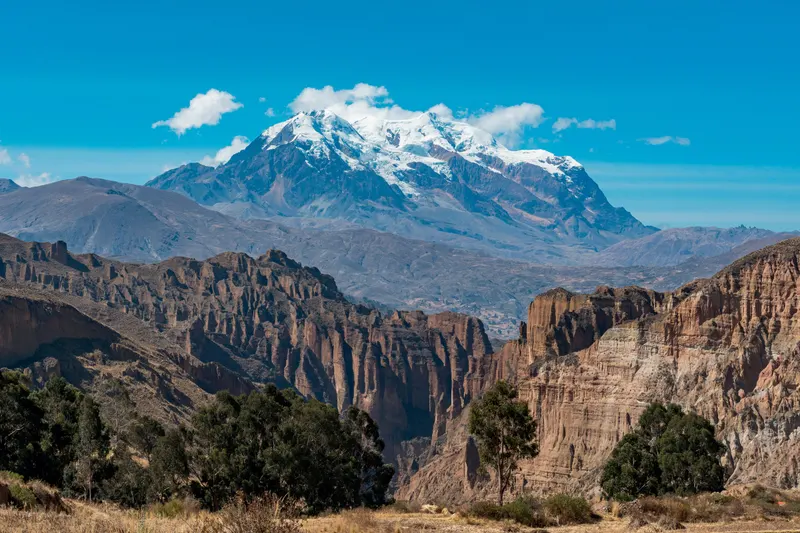
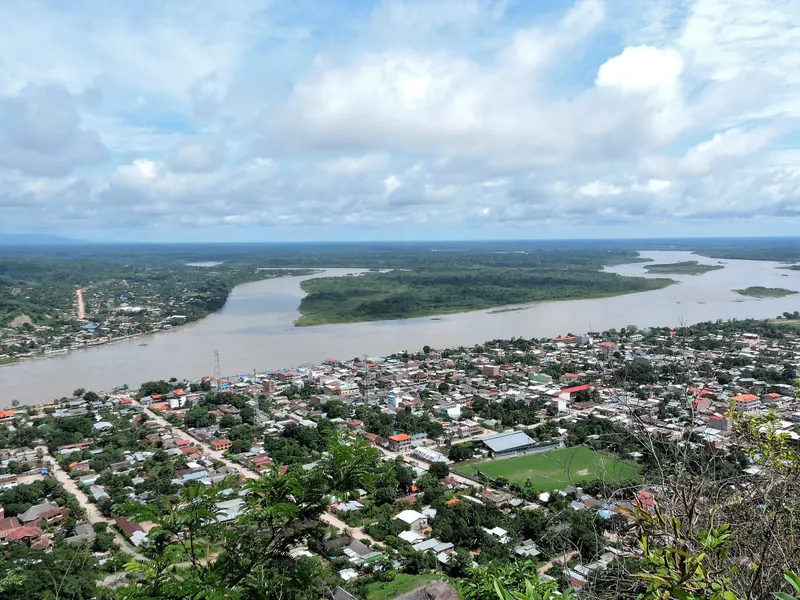
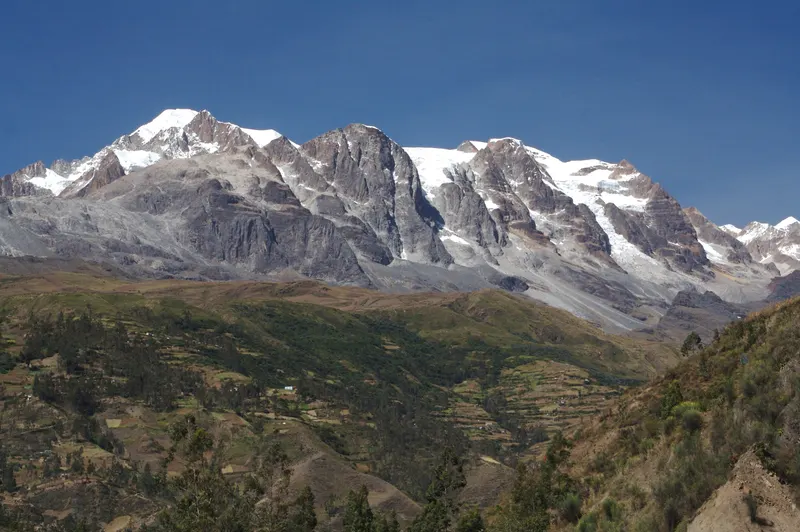
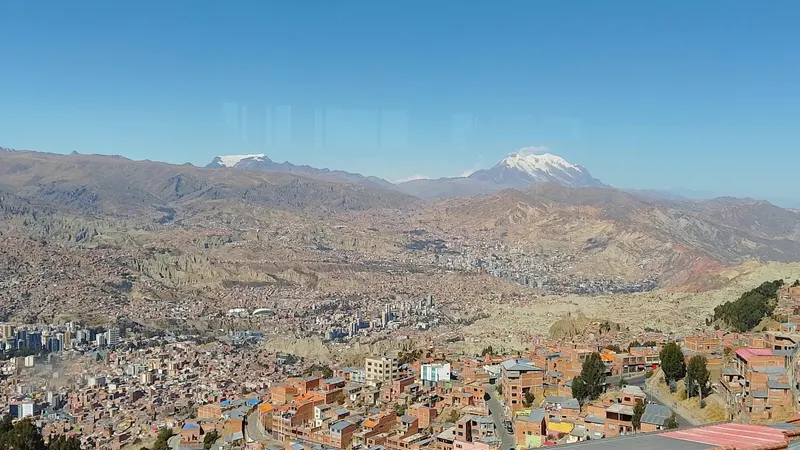
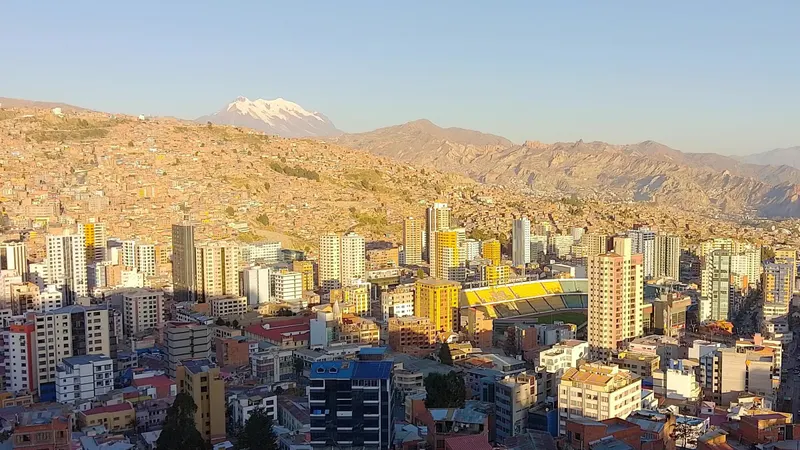
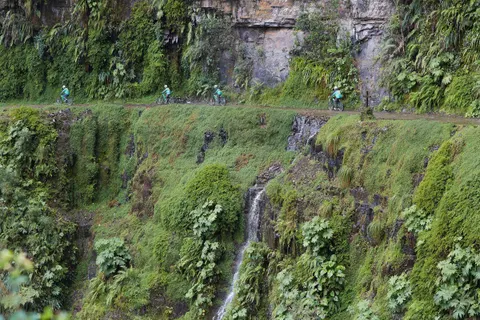
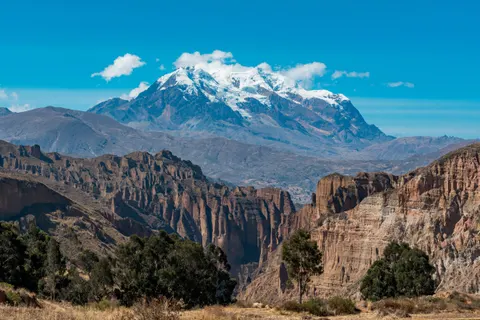
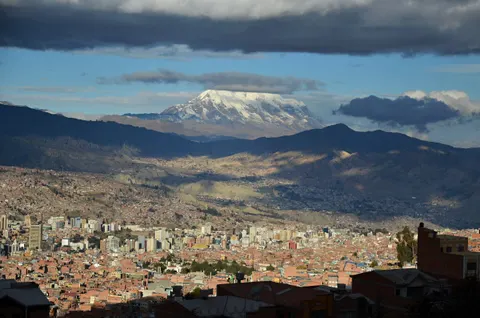
Coroico is where people from La Paz go for a warm weekend. The town sits on a ridge in the Yungas of La Paz, Bolivia, at about 1,750 m (5,740 ft), almost 1,900 m below the center of La Paz, and the area averages about 18 °C (64 °F). Say it koh-ROY-koh. Travelers come for the end of the Death Road bike ride (the bikes stop at Yolosa, 7 km below town), the Uchumachi and waterfall walks, La Senda Verde animal refuge and the Afro-Bolivian community of Tocaña. After a few days of thin air in La Paz, it’s a 3-hour minibus ride to a bed below 2,000 m.
- Altitude
- about 1,750 m (5,740 ft)
- From La Paz
- about 100 km · 2.5-3 h
- Average temp
- 18 °C (64 °F)
- Dry season
- May to October
- Buses from
- Minasa terminal, Villa Fátima
Where is Coroico, Bolivia? Map and distances
Coroico lies about 100 km (62 miles) by road northeast of La Paz, across the Cordillera Real, and has been the capital of Nor Yungas province since 1899. The municipality counted about 28,000 people in the 2024 census, but the town is small enough that the church, the ATMs and the bus terminal all sit on the main plaza or within a block of it. The first settlement, Coroico Viejo, stood above the Quri Wayq’u river; in the early 1700s its residents moved to today’s more defensible ridge.
Google’s knowledge panel gives the altitude as 1,525 m (5,003 ft), the same figure as English Wikipedia, which is too low for the town. Satellite elevation data puts the plaza at 1,742 m.
| From the plaza (OpenStreetMap, Sept 2026) | Distance | Altitude |
|---|---|---|
| Cerro Uchumachi summit, via El Calvario | ~3.5 km on foot, ~800 m of climbing | 2,533 m (8,310 ft) |
| First / third waterfall (Tres Cascadas) | ~5 km / ~7 km on foot | ~1,780-1,840 m |
| Tocaña (Afro-Bolivian community) | ~4.6 km by trail, ~17 km by road | ~1,340 m |
| Yolosa (end of the Death Road ride) | 7 km by road | ~1,200 m |
| La Senda Verde | ~7.7 km by road | ~1,170 m |
| Pozas del Vagante | ~10 km by road, then a walk | n/a |
| Río Selva Resort (Huarinilla) | ~16 km by road | ~1,150 m |
| Chairo (end of the El Choro trail) | ~18 km by road | n/a |
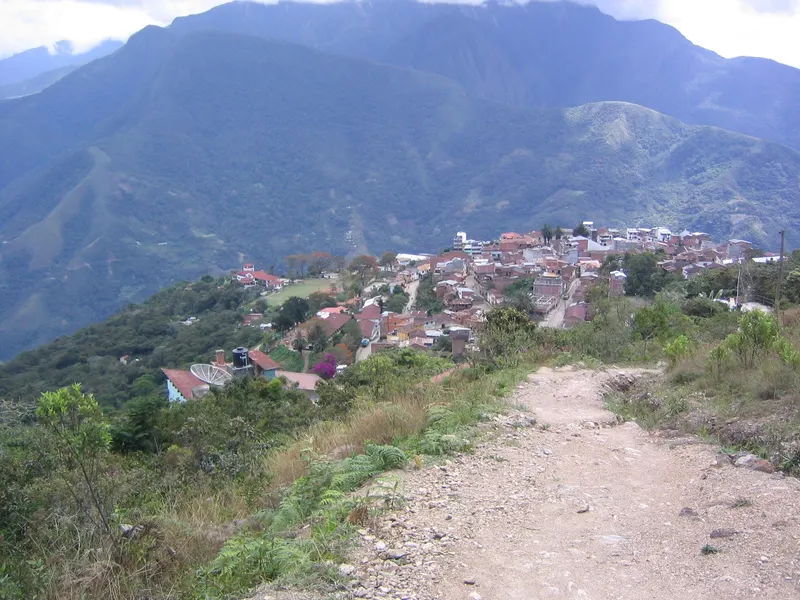
What are the Yungas?
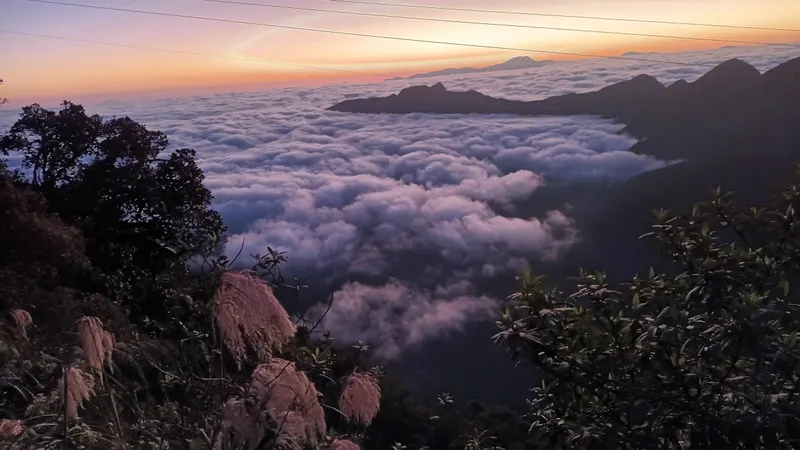
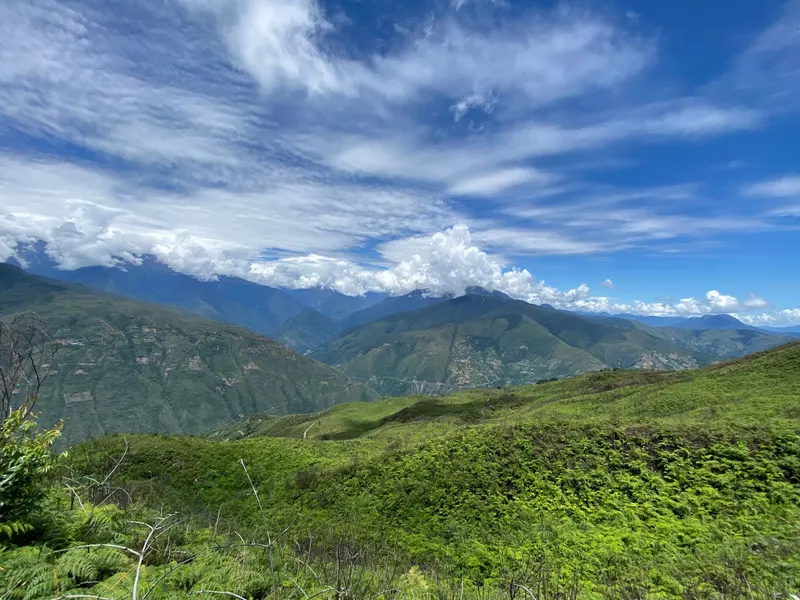
The name comes from the Quechua yunka, “warm valley”. The Yungas are the steep, wet forests on the eastern face of the Andes, from northern Peru to northern Argentina, between roughly 300 and 3,800 m. La Paz department has two Yungas provinces, Nor Yungas (capital Coroico) and Sud Yungas (capital Chulumani). “The Yungas road” can mean the old gravel road, now the Death Road of the bike tours, or the paved Cotapata–Santa Bárbara highway that buses have used since December 2006.
Coroico altitude and why it helps after La Paz
Central La Paz sits at about 3,640 m (11,900 ft). The CDC puts the start of altitude-sickness risk at a sleeping altitude of about 2,450 m (8,000 ft), and Coroico is some 700 m below that, so a night or two here lets you sleep low without flying anywhere. The road there first climbs to La Cumbre, about 4,650 m (15,300 ft), and only then drops some 3,000 m. If you feel rough on your first day in La Paz, wait a day before crossing the pass, and keep a warm layer and something for motion sickness handy. More in our altitude sickness guide.
How to get from La Paz to Coroico
Minibuses and buses leave from the Minasa terminal on Av. Ramiro Castillo, in the Villa Fátima area of northeast La Paz, a different terminal from the main bus station on Av. Perú. Take a taxi there. Sol y Luna lodge says departures run from about 6 a.m. to 6 p.m., and the ride takes 2.5 to 3 hours, more in city traffic. Canada’s travel advice warns of petty crime at Minasa, so keep your bag in sight.
| Option | Time | Price (as of Sept 2026) | Watch out |
|---|---|---|---|
| Minibus from Minasa | 2.5-3 h | Bs 20-30 ($1.70-2.50) before the diesel rise | Some stop at Yolosita, below town; the minibus up cost about Bs 5 |
| Private taxi | About 2-2.5 h | Bs 350-500 ($29-42), undated quotes | Agree the price first |
| Death Road bike tour | Full day | From about $90, plus Bs 50 road fee | Ends at Yolosa; ask whether you can stay |
The Bs 20-30 fare comes from undated sources (Sol y Luna’s website and Wikivoyage). On 18 September 2026 the government freed the diesel price (Bs 9.80 to 17.95 a liter), so expect to pay more. Buses back leave from Coroico’s terminal, a block from the plaza; for the Todos Santos long weekend (31 October to 2 November 2026), buy your return ticket a day ahead.
Check the road first (as of September 2026)
Blockades cut off La Paz from 1 May to 23 June 2026; police cleared the La Paz–Coroico road on 13 May. A state of exception that lets police and the army clear roadblocks runs to about mid-December 2026, and unions have threatened new protests over the diesel rise. Check the ABC road-status map (it may only load inside Bolivia) and ask at the terminal; the UK Foreign Office warns that “condicionado” tickets don’t guarantee you’ll arrive. Current conditions are in our La Paz safety guide.
Arriving by bike on the Death Road (and staying the night)
The ride covers about 64 km and almost 3,500 m of descent, from La Cumbre to Yolosa (about 1,200 m), which is 7 km and roughly 550 m below Coroico. Tours cost from about $90 to $156 on Viator, plus a Bs 50 (about $4) road fee in cash. After lunch, most vans take 3 hours or more back to La Paz, arriving between 7 and 10 p.m.
Gravity’s listing is the only one we found that offers a night at La Senda Verde or in Coroico instead, and Vertigo’s guides help riders heading on to Rurrenabaque find a taxi or bus to Coroico. With other companies, ask before booking whether they’ll leave you and your bag at Yolosa. After 4 to 5 hours on the bike, we’d sleep in Coroico and go back to La Paz in daylight.
Death Road tours that finish near Coroico
Book on Viator From $145Death Road, Bolivia: Mountain Bike Tour on the World's Most Dangerous RoadFree cancellationCheck availability
 From $90The World's Most Dangerous Road - Barracuda Biking's Death Road RidingFree cancellationCheck availability
 From $156Death Road Bolivia Biking TourFree cancellationCheck availability
 From $125Bike Tour to the Death RoadFree cancellationCheck availability
Prices in US$ per person from Viator as of Sep 30, 2026. They change; you see the final price before paying.
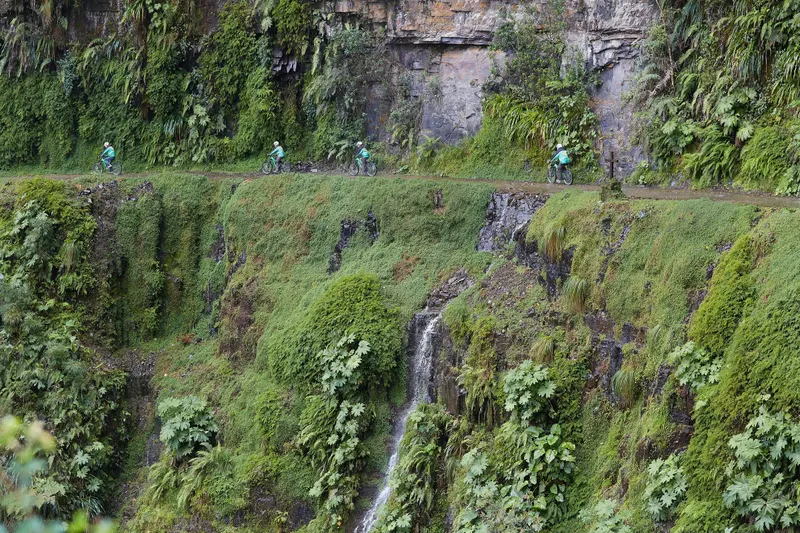
Our Death Road guide compares operators, bikes and the safety record.
Things to do in Coroico
Beyond the Death Road, Viator’s four Yungas products had six reviews between them in September 2026, so you’ll arrange most of this in town, on foot or by taxi from the plaza.
Hike Cerro Uchumachi and El Calvario
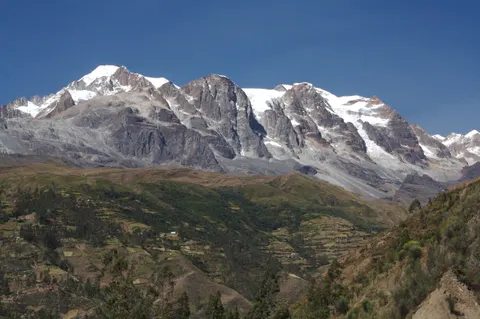
From El Calvario, the chapel at the foot of Uchumachi (2,533 m, 8,310 ft), the path climbs about 800 m in roughly 2 hours, past coca fields, to the highest point around. Wikivoyage says clear days bring views of the snow peaks. Start early with water and a rain layer, or walk only as far as El Calvario for sunset.
Walk to the Tres Cascadas
The three waterfalls lie southeast of town, about 5 km on foot to the first and 7 km to the third, roughly 2 hours along the trail toward Uchumachi; a minibus to the trailhead shortens it. Their names depend on who you ask (the newspaper La Región used San Félix, San Jacinto and Cochuna in 2015). Carry coins for a possible community fee, and expect mud from November to March.
Visit La Senda Verde animal refuge
La Senda Verde, about 1 km from Yolosa, has taken in rescued wild animals since 2003 and says it now cares for more than 1,000. Visits are guided, in small groups, with no contact with the animals. Reserve in writing by WhatsApp (+591 698 28467), as its visit page asks; guides quoting Bs 100 are out of date.
| Visit | What you see | Ages | Foreign adult | Bolivian adult | Start times |
|---|---|---|---|---|---|
| Maruka | All animals except the cats | 5+ | Bs 220 ($18) | Bs 180 ($15) | 10:00, 11:30, 14:30, 16:00 |
| Cubai | All animals, cats included | 12+ | Bs 280 ($23) | Bs 230 ($19) | 10:00, 16:00 |
| Aruma | Maruka plus the butterfly rewilding area | 5+ | Bs 330 ($27) | Bs 270 ($22) | 10:00, 15:00 |
| Arcoiris | Everything, cats included | 12+ | Bs 370 ($31) | Bs 300 ($25) | 10:00, 15:00 |
Foreign children aged 5-9 pay Bs 110 ($9) for Maruka and Bs 180 ($15) for Aruma. Maruka is enough for most people; pay for Cubai or Arcoiris if you want to see the cats.
Ride the zipline at Yolosa
Wikivoyage describes Yolosa’s community zipline, built in 2010, as about 1,500 m long with speeds up to 85 km/h. We couldn’t confirm a 2026 price or that it’s running, so ask in Yolosa.
Tocaña and Afro-Bolivian culture
Tocaña, at about 1,340 m, is 4.6 km downhill from the plaza by footpath or 17 km by road. Mururata, 19 km away by road, is home to Julio Pinedo, the ceremonial king of the Afro-Bolivians. From the 16th century the Spanish brought enslaved Africans to the mines of what is now Bolivia, and many were later moved to coca haciendas in the Yungas. Saya is their music and dance. The 2024 census counted 25,168 Afro-Bolivians (0.22% of the population). Go with a local guide from the tourist office on the plaza; we found no published schedule of saya performances.
Swimming holes, coffee and coca
The Pozas del Vagante, natural pools on the Río Vagante about 10 km away (a taxi, then a walk), are best in the dry season, and five of the seven places to stay below have a pool. Coffee, coca and citrus grow on the slopes, but we couldn’t find a coffee farm in town with published visiting hours. Coca is legal in Bolivia; the CDC doesn’t list coca tea as altitude prevention, and taking the leaves home is illegal in Canada and many other countries.
Via ferrata at Chuspipata
At Chuspipata, 52 km by road back toward La Paz, two communities run the Vertical Route via ferrata, with two rappels, iron steps, a hanging bridge, a zipline and a rope swing. It costs from about $90 for 6 hours and rates 4.97 from 219 reviews, but it needs at least four people and meets at Plaza Uyuni in La Paz, so book it as a day out from the city.
The El Choro trek
The El Choro trail, a pre-Hispanic path, runs from near La Cumbre down to Chairo, 18 km by road from Coroico. Viator sells it only as a 3-day camping trek from about $430, rated 5.0 from only six reviews (September 2026), with entrance fees, water, sleeping bags and porters extra. For summits, see climbing Huayna Potosí.
What we'd skip
Coroico day tours from La Paz. The one we checked runs from about 9 a.m. to 7 p.m., 5 to 6 hours of it on the road, for lunch, the plaza and a waterfall. A minibus and one night in Coroico cost less and buy you a morning on Uchumachi. With only one free day, pick from our tours from La Paz instead.
Coroico weather and the best time to go
Spanish Wikipedia gives the area an annual mean of 18.4 °C (65 °F) and monthly averages of 16.6-19.4 °C (62-67 °F), from a station at 1,377 m, lower and warmer than town. June and July are the coolest months, January and February the warmest, and the November-to-March rains bring landslides that can block the roads.
May to October
Dry seasonLess rain, firmer paths to the waterfalls and the Vagante pools, and cool nights in June and July. La Cumbre on the way is cold whatever the month. Verdict: the best time to go.
November to March
Rainy seasonGreener slopes, muggier days, muddy trails and a real chance of landslides closing the road. Verdict: go with a spare day and check the road before you leave.
For today’s forecast, check SENAMHI, Bolivia’s weather service. For the wider trip, see the best time to visit Bolivia and our La Paz weather guide.
Where to stay in Coroico
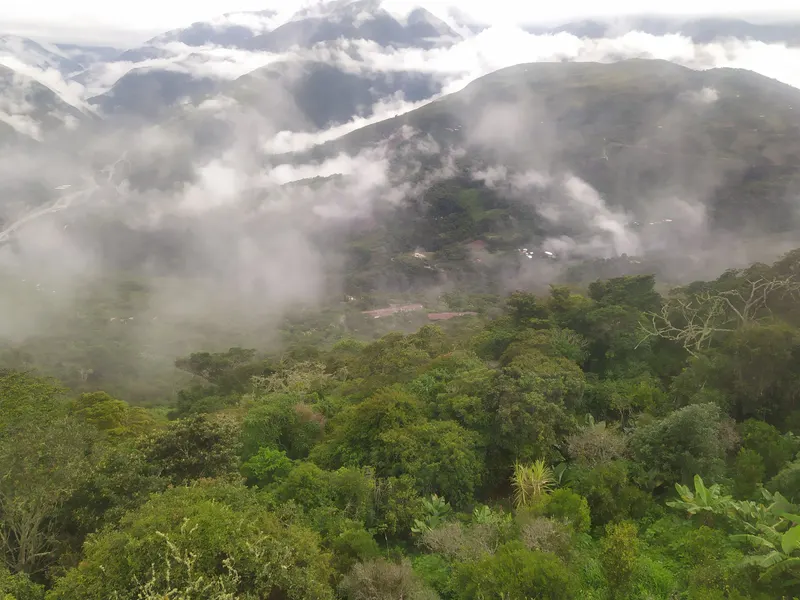
Booking lists only 8 properties in Coroico and Hostelworld 3 hostels (September 2026), so book early for long weekends. Six of the seven places below publish prices, and none of those charges more than about $37 for a double. Near the plaza you walk everywhere and hear the weekend noise; places on the slopes have views and pools but mean an uphill walk or a Bs 20 (about $1.70) taxi.
Hotel Gloria Coroico
Best for: Families who want pools and breakfast included
The Coroico branch of La Paz's Gloria hotels has adult and children's pools, a games room, playground, sports court and restaurant, with views over the Yungas. Its own site lists doubles at Bs 370-410 with buffet breakfast (about $31-34). The address on its website matches its Copacabana hotel, so ask for the exact location when you book.
- Adult and kids' pools
- Buffet breakfast included
- Playground and games room
Ecolodge Sol y Luna
Best for: Forest cabins with yoga and a hot tub
Cabins, apartments and rooms spread over wooded grounds about 2 km from the plaza, with a restaurant, pools, a hot tub, yoga and massages, camping and a nature trail. Rates run from Bs 80 per person in a room to Bs 380-440 for a cabin for two (about $32-37). Without a car you'll rely on Bs 20 taxis to get into town.
- Cabins for two from Bs 380
- Pools, hot tub, yoga and massage
- Camping and a nature trail
El Cafetal
Best for: A cheap bed with a pool and a good kitchen
A small hotel with a terrace, a pool and its own restaurant, which Wikivoyage lists among Coroico's places to eat. Booking shows it from about $22 a night for two (Bs 260), among the cheapest in town. Private parking costs extra.
- Pool
- On-site restaurant
- Terrace with a view
Villa Camila Hostel
Best for: Backpackers who want a pool with a valley view
A hostel on the access road with a pool, bar, restaurant, free parking and lockers, and both dorms and private rooms. Hostelworld lists dorm beds from Bs 100 (about $8). It sits 1.1 km below the center and reviewers mention the uphill walk back to the plaza, so budget for taxis.
- Pool with a valley view
- Bar and restaurant
- Dorms and private rooms
Hostal Kurmi - Coroico
Best for: Couples after a quiet guesthouse
A guesthouse with a garden, mountain-view balconies, breakfast included and a tour desk for arranging outings. Booking lists it from about $28 a night for two (Bs 340). Ask whether your room has a private bathroom when you book.
- Breakfast included
- Garden with mountain views
- Tour desk
El Rincón del Jucumari
Best for: Backpackers who want everything on foot
A hostel at Calle Ayacucho 5047, about two blocks from the plaza, with breakfast included, Wi-Fi, 24-hour reception and bike parking. It has 2026 reviews on Hostelworld, where it is one of the cheapest options in town. Being this close to the plaza means more weekend noise.
- Breakfast included
- Two blocks from the plaza
- 24-hour reception
Hotel Esmeralda
Best for: Hilltop views on a budget
One of Coroico's long-standing hotels, at the top of town with a pool and a restaurant. It doesn't publish its own rates, so check price and facilities on Expedia before you book. From the bus terminal it's an uphill walk with your luggage.
- Top of town
- Pool
- Restaurant
Price band for a double room in the dry season. Confirm rates and dates on Expedia.
Which one is for you?
- If you’re traveling with kids: Hotel Gloria Coroico, with separate pools for adults and children.
- If you want a cabin in the forest: Ecolodge Sol y Luna, 2 km from the plaza.
- If you’re spending as little as possible: a dorm bed at Villa Camila Hostel or El Rincón del Jucumari.
- If you want water slides and full board: Río Selva Resort, below.
Río Selva Resort, at Huarinilla 16 km from town on the lower road, lists 168 units, six pools (two heated and indoors), water slides, saunas and five restaurants and bars, with full-board family packages. It publishes no prices, and town is a taxi ride away. La Senda Verde also takes overnight guests, without published rates. Compare dates and prices for more Coroico hotels on Expedia, and see our La Paz hotels guide for the night before.
Yellow fever, malaria, money and safety
Yellow fever, malaria and dengue
The CDC recommends the yellow fever vaccine for travelers aged 9 months and up going below 2,300 m (7,550 ft) east of the Andes, including “designated areas” of La Paz department that it doesn’t name. Coroico and Yolosa both sit below that line, and sources disagree on the certificate:
- The CDC says Bolivia requires it of all arrivals aged 1 and over.
- Chile’s consulate in La Paz says the vaccine is required for the Yungas and Coroico.
- Bolivia’s Ministry of Health recommends carrying it if you visit an endemic municipality.
- The UK and Canada ask for it only from travelers arriving from a risk country.
Chile’s consulate says to get the shot at least 10 days before you travel, so see a travel doctor early and carry the yellow card. The CDC also lists malaria below 2,500 m and dengue year-round, so ask about malaria tablets and pack repellent. Border rules are in our Bolivia entry requirements guide.
Cash and ATMs
OpenStreetMap shows Banco Unión and Banco Fie ATMs on or beside the plaza. We couldn’t test them with foreign cards, and rural ATMs can run out of cash, so bring bolivianos from La Paz. Our Bolivia currency guide covers the floating exchange rate and where to change money.
Is Coroico safe right now?
As of September 2026, the US rates Bolivia Level 2 (exercise increased caution), with Level 4 only for the Chapare region of Cochabamba, and the UK advises against travel only to Chapare. In an emergency, call 110 for police or 118 for an ambulance; the Hospital General Universitario Coroico is less than 1 km south of the plaza. More in our La Paz travel tips.
How long to stay and what it costs
One night covers Uchumachi or the waterfalls. We’d stay two, which gives you El Calvario at sunset on arrival, a morning hike and an afternoon at La Senda Verde or in Tocaña. A third day adds the Vagante pools.
| Item | US$ | Bs | Note |
|---|---|---|---|
| Minibus La Paz–Coroico, one way | ~1.70-2.50 | 20-30 | Fare before the diesel rise |
| Private taxi La Paz–Coroico | ~29-42 | 350-500 | Undated quotes |
| Hostel dorm bed (Villa Camila) | ~8 | ~100 | Hostelworld |
| Budget double (El Cafetal, Kurmi, Villa Camila) | ~22-30 | ~260-360 | Booking “from” prices |
| Double with breakfast, Hotel Gloria | ~31-34 | 370-410 | Hotel website |
| Cabin for two, Sol y Luna | ~32-37 | 380-440 | Lodge website |
| La Senda Verde, foreign adult | ~18-31 | 220-370 | Sanctuary website |
Prices were checked on 30 September 2026 at Bs 12.02 per US dollar. Treat the transport lines as a floor while fares catch up with the diesel rise; that’s why we don’t add up a weekend total.
Beyond Coroico: Rurrenabaque and the Amazon
The road north runs from Yolosa to Caranavi, 78 km from Coroico, and on to Rurrenabaque, the gateway to Madidi National Park, a bus trip of 14 to 20 hours or more from La Paz. We found no reliable Coroico–Rurrenabaque timetable, and a blockade at Puente Armas on that road lasted about four weeks until 30 May 2026. The flight takes about 40 minutes, so we’d go back to La Paz, fly to Rurrenabaque and treat Coroico as its own trip. Jungle and pampas tours are in our Rurrenabaque guide.
For more escapes from the city, try Sorata or our day trips from La Paz, and see our Bolivia itinerary for where Coroico fits in a longer route.
Frequently asked questions
How do you get from La Paz to Coroico?
Take a taxi to the Minasa terminal in Villa Fátima, in northeast La Paz, where minibuses and buses leave from about 6 a.m. to 6 p.m. The ride takes 2.5 to 3 hours on the paved highway over La Cumbre. The fare was Bs 20-30 (about $1.70-2.50) before diesel prices rose on 18 September 2026, so ask for the current price at the window. A private taxi costs roughly Bs 350-500 ($29-42).
What is the altitude of Coroico?
About 1,750 m (5,740 ft). Satellite elevation data puts the plaza at 1,742 m and Spanish Wikipedia gives 1,740 m. Google's knowledge panel and English Wikipedia show 1,525 m (5,003 ft), which is too low for the town, and other sources range from 1,746 to 1,782 m. Either way, Coroico sits about 1,900 m below central La Paz (3,640 m).
Is Coroico worth visiting?
Yes, for one or two nights. You sleep about 700 m below the 2,450 m where the CDC says altitude-sickness risk begins, the walks to Uchumachi and the Tres Cascadas start in town, and after the Death Road you skip a 3-hour van ride back to La Paz. Skip it during a week of rainy-season landslides or road blockades, and skip the 10-hour day tours from La Paz.
Do I need a yellow fever vaccine for Coroico?
Talk to a travel doctor, because sources disagree. The CDC recommends the vaccine for travelers going below 2,300 m east of the Andes, including designated areas of La Paz department it doesn't name, and Coroico (about 1,750 m) and Yolosa (about 1,200 m) both sit below that line. Chile's consulate in La Paz says the vaccine is required for the Yungas and Coroico. Get it at least 10 days before the trip and carry the yellow card.
Can I stay in Coroico after biking the Death Road?
Yes. Gravity's listing offers a night at La Senda Verde or in Coroico instead of the van back to La Paz. With other companies, ask before you book whether they'll leave you and your bag at Yolosa, 7 km below town; a minibus or taxi covers the climb. Minibuses back to La Paz leave from Coroico's terminal, a block from the plaza.
Is it safe to travel to Coroico right now?
As of September 2026, the US rates Bolivia Level 2 (exercise increased caution) and the UK advises against travel only to the Chapare region, far from Coroico. Road closures are the bigger risk. Blockades cut the La Paz–Coroico road in May 2026, and a state of exception runs to about mid-December 2026. Check road status and the news the day before, and keep a spare day in your plans.
Are there ATMs in Coroico?
OpenStreetMap shows Banco Unión and Banco Fie ATMs on or beside the plaza. We couldn't test them with foreign cards, and ATMs outside the cities can run out of cash, so bring enough bolivianos from La Paz for your stay. Canada's travel advice notes that cards aren't widely accepted outside urban areas, so carry small notes for taxis and minibuses.
How do you pronounce Coroico?
Say koh-ROY-koh, with the stress on the middle syllable. The "oi" sounds like the "oy" in "boy", so the word has three syllables. The region around it, the Yungas, is pronounced YOON-gahs.
Keep planning