










Quick answer
Cholita wrestling takes place in El Alto, the city on the rim above La Paz, Bolivia. El Alto's city hall relaunched its Sunday show at the Multifuncional “Heriberto Gutiérrez” on 26 July 2026, starting at 15:00, with weekly bouts at “popular prices”. Private promoters run tourist shows most days from about 17:00 at other venues. Expect Bs 50-80 (US$4-7) for a ticket, or Bs 90-150 (US$7.50-12.50) with transport from downtown.
On this page
- When is cholita wrestling on? Days and times in 2026
- Cholita wrestling tickets and prices
- Cholita wrestling tour or DIY: which is better?
- How to get to cholita wrestling in El Alto on your own
- What happens at a show, and is it staged?
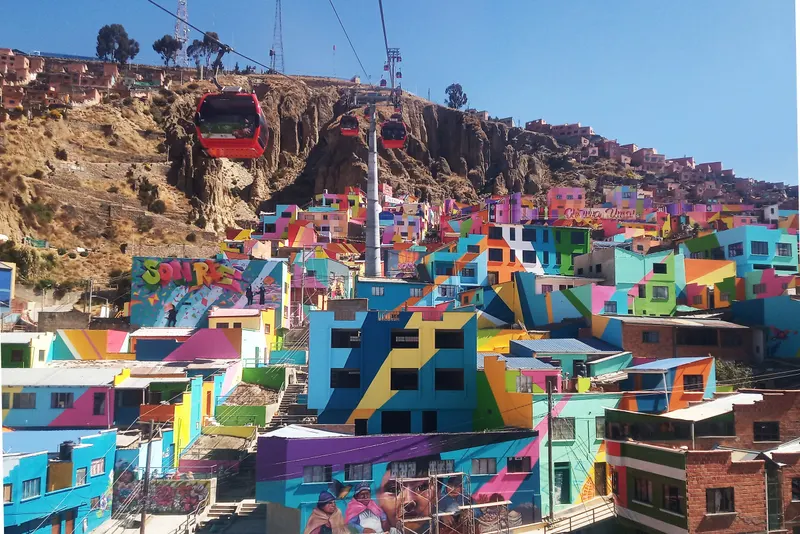
- Make a Sunday of it: 16 de Julio market, cable car and wrestling
- Altitude, cold and safety in El Alto
- Who are the cholitas, and is it respectful to watch?
- A short history of Bolivia’s fighting cholitas
- Frequently asked questions
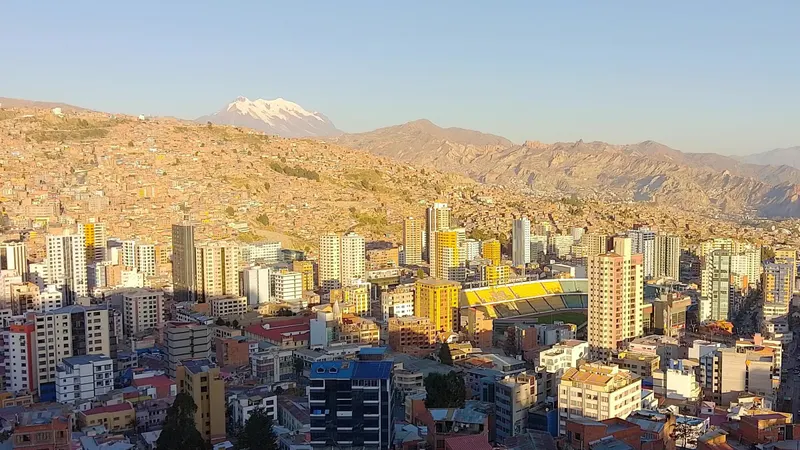
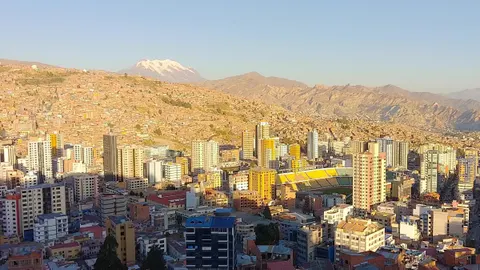
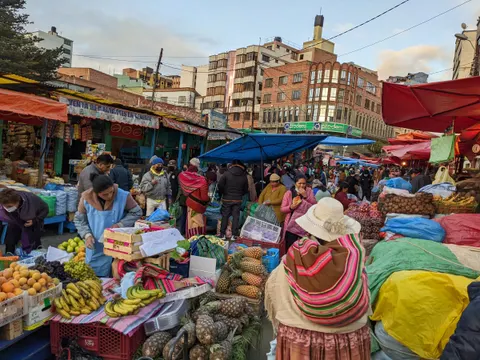
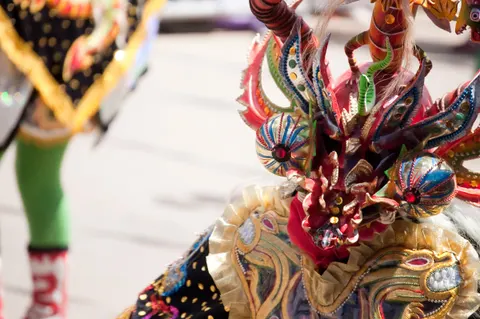
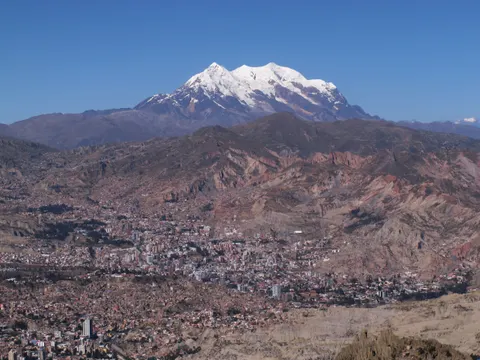
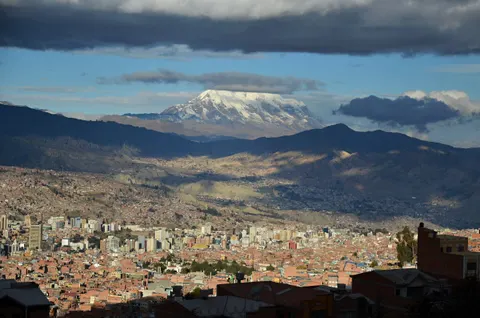
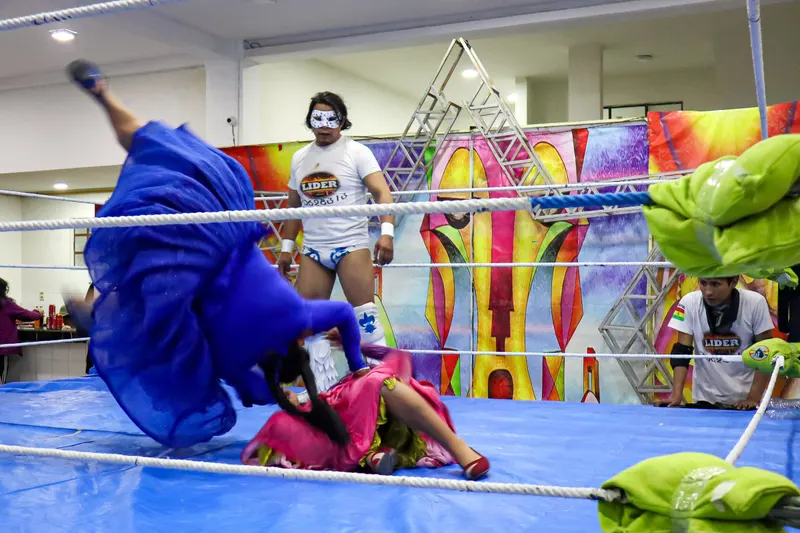
Cholita wrestling is Bolivian lucha libre in which women, most of them Aymara, fight in the clothes you see every day in La Paz’s markets: long braids, a bowler hat and the pollera, a full, layered skirt. Locally the wrestlers are cholitas luchadoras. The shows take place in El Alto, the city of about 885,000 people (more than La Paz itself) on the plateau above La Paz, Bolivia, at more than 4,000 m (13,100 ft).
Two different things are sold under the same name. On 26 July 2026 El Alto’s city hall relaunched Sunday wrestling at the Multifuncional, the municipal arena where the cholitas started out, with a free 15:00 show and a promise of cheap weekly seats. Private promoters run tourist shows most afternoons at around 17:00 at other El Alto venues, sold as packages with pick-up from downtown. On a Sunday we’d go on our own; on any other day we’d pay for the transport, because you ride home after dark for most of the year. For the rest of the city, start with our La Paz travel guide.
- Municipal show
- Sundays (relaunch at 15:00)
- Tourist shows
- Most days, about 17:00
- Tourist ticket
- Bs 50-80 (US$4-7)
- With transport
- Bs 90-150 (US$7.50-12.50)
- Altitude
- Over 4,000 m (13,100 ft)
Cholita wrestling with transport from downtown La Paz
Book on Viator From $22Cholitas Wrestling/Cholitas LuchadorasFree cancellationCheck availability
 From $15La Paz: Queens of the Ring, Cholitas WrestlingFree cancellationCheck availability
Prices in US$ per person from Viator as of Sep 30, 2026. They change; you see the final price before paying.
Viator lists only six cholita wrestling products, and only Mapamundi Go’s has enough reviews to judge. Its package (return transport, VIP seats, water and snacks) rates 3.95 from 40 reviews, 24 of them five-star and 7 one-star (September 2026). Diana Tours’ cheaper option, from about US$15 with entry, shared transport and a snack, has a single review. Hostels and the travel agencies on Calle Sagárnaga sell similar packages; operator sites and bolivianlife.com price them at Bs 90-150 (US$7.50-12.50). Booking online costs more but gets you free cancellation up to 24 hours ahead and a written list of what’s included. Our La Paz tours guide compares other tours from the city.
When is cholita wrestling on? Days and times in 2026
Only the Sunday municipal show has a day set by a public authority. El Alto’s municipal sports department scheduled it for every Sunday from 26 July 2026, with more than 30 wrestlers from Súper Catch (ABI, the state news agency). The announcement set the relaunch for 15:00 but gave no time for later Sundays, and one promoter advertises a Sunday show at the 12 de Octubre coliseum at 17:00.
| Show | Days and time | Where | Best for |
|---|---|---|---|
| Municipal show | Sunday afternoon (the relaunch started at 15:00; confirm the time) | Multifuncional “Heriberto Gutiérrez”, El Alto, in the 12 de Octubre area near La Ceja (confirm the address) | Local crowd, lowest price, no transport |
| Tourist shows (several promoters) | Most days, about 17:00; pick-ups 15:00-16:00 | Event halls in cholets and “La Casa de la Cholita”, El Alto; the venue changes with the weekday | Weekdays, transport, reserved seats |
| Occasional shows in central La Paz | Irregular | Centro Cultural Mamani Mamani, Calle Jaén (Friday to Sunday in December 2024) | Check that they still run |
Here is what operators list for each weekday.
| Day | What’s on |
|---|---|
| Monday | One promoter lists a 17:00 show at La Casa de la Cholita |
| Tuesday | Tourist show at a cholet venue; Mapamundi Go’s package runs |
| Wednesday | La Casa de la Cholita; Mapamundi Go runs (two pick-up points only) |
| Thursday | Cholet venue; Mapamundi Go runs; Feria 16 de Julio market day |
| Friday | La Casa de la Cholita |
| Saturday | La Casa de la Cholita; Mapamundi Go runs (two pick-up points only) |
| Sunday | Municipal show (15:00 at the relaunch); Mapamundi Go runs; Feria 16 de Julio market day |
Why every site gives different days
The Cholitas Wrestling Instagram account promises shows daily from 17:00 to 19:00, one agency sells only Tuesday, Thursday and Sunday, and Tripadvisor lists Sunday 17:00-19:00. The website Google labels as official for “Cholitas Wrestling” now redirects to a travel agency. Treat Sunday as the fixed day, and confirm the time and venue with whoever sells you the ticket.
Cholita wrestling tickets and prices
Prices are in bolivianos (Bs), converted at the Banco Central de Bolivia’s rate of Bs 12.02 per US dollar on 30 September 2026.
| Option | Bs | About US$ |
|---|---|---|
| Municipal Sunday show | “Popular prices”, amount not published; local tickets usually under 20 (bolivianlife.com) | Under 2 |
| Tourist show, ticket only | 50-80 | 4-7 |
| Tourist show with round-trip transport from downtown | 90-150 | 7.50-12.50 |
| One operator’s ringside “VIP” (mask, beer, fast entry) | About 180 | 15 |
| Viator packages (free cancellation) | About 180-300 | 15-25 |
| Agency tours priced in dollars | About 340 | 28 |
| Mi Teleférico, first line (each transfer) | 3 (+2) | 0.25 (+0.17) |
| Taxi, downtown to the El Alto venues (older guides) | 35-50 | 3-4 |
Pay in bolivianos when a site quotes both currencies. The boliviano was pegged at 6.96 to the dollar from 2011 until Bolivia floated it on 26 June 2026, and some operator sites still convert at old rates. The operator site luchadecholitas.com lists its Bs 80 ticket as “$11”, but Bs 80 is about US$6.70 at the official rate. Our guide to Bolivian currency explains the new exchange rate.
Bring cash in small notes, since venues rarely take cards. Diesel prices rose about 83% on 18 September 2026, from Bs 9.80 to 17.95 a liter, so package prices may rise.
Cholita wrestling tour or DIY: which is better?
A package covers pick-up in the center between 15:00 and 16:00 (usually at cafés and hostels around Calle Sagárnaga, Plaza San Pedro and Plaza España), a reserved seat and the ride home, which gets you back around 19:30-20:00. Mapamundi Go’s pick-up points include Café del Mundo (Calle Sagárnaga 324) and the Purple Line cable-car station; it hands out tickets at pick-up and stops taking same-day bookings at 13:00. Diana Tours meets on Calle Sagárnaga, next to Hotel Sagarnaga.
Which one is for you?
- If it’s Sunday and you’re on a budget: go to the municipal show by cable car and a short taxi ride.
- If your only free day is a weekday: book a 17:00 tourist show with transport, such as Mapamundi Go’s package with VIP seats.
- If you flew in yesterday: wait. El Alto sits about 450-500 m above downtown, and the CDC rates flying straight to La Paz as high risk for altitude illness. Read up on altitude sickness in La Paz.
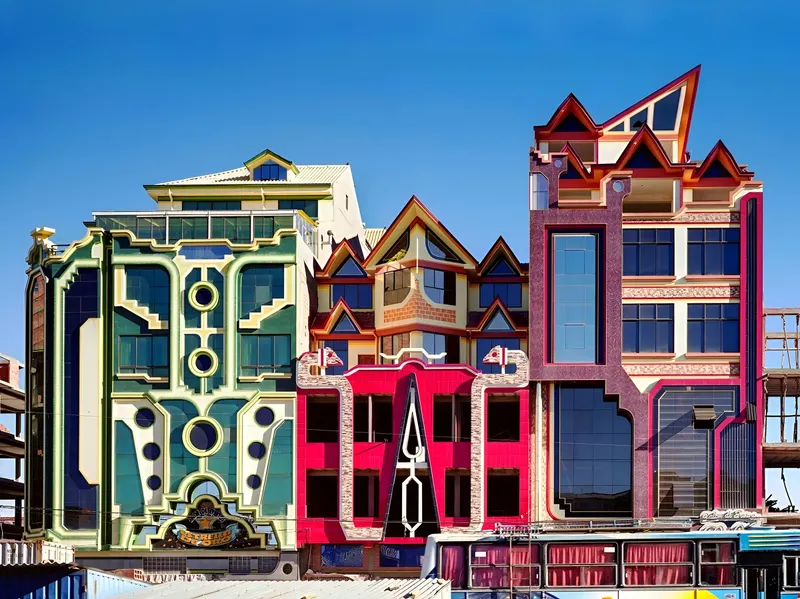
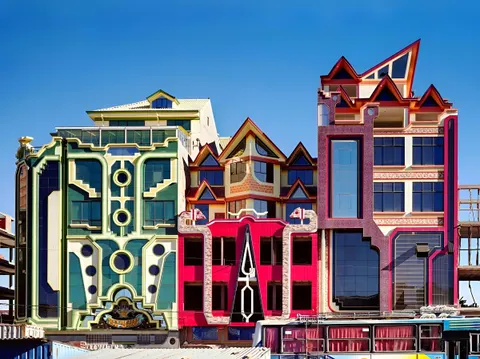
- If choreographed fighting leaves you cold: skip it and take the cholet architecture tour in El Alto instead.
Our take
On a Sunday, go on your own to the municipal show, which starts in daylight and costs little, and pair it with the 16 de Julio market. On any other day, pay for a package with transport. Going alone to a 17:00 tourist show saves little once you pay for taxis both ways, and the ride home starts with finding a taxi near La Ceja after dark.
How to get to cholita wrestling in El Alto on your own
Wikivoyage and one operator place the Sunday shows in the 12 de Octubre area near La Ceja, the commercial district on El Alto’s rim. The city’s announcement gave no street address for the Multifuncional, so ask for it, and the start time, when you buy your ticket. Two cable-car routes get you close.
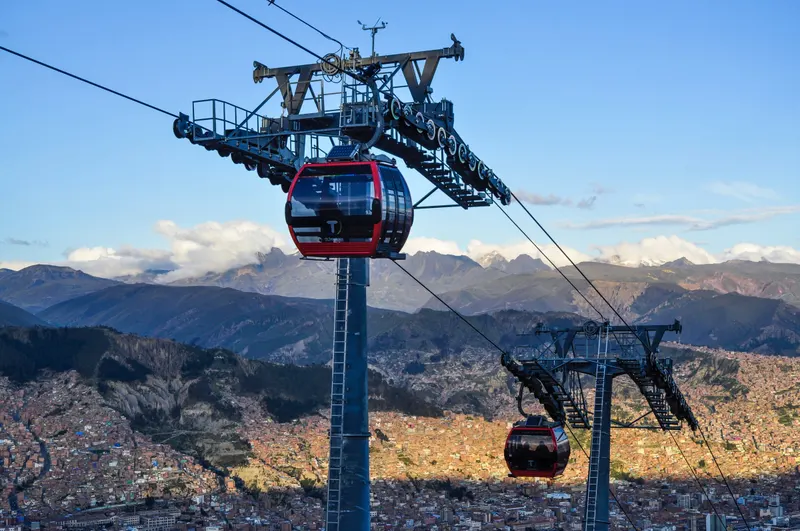
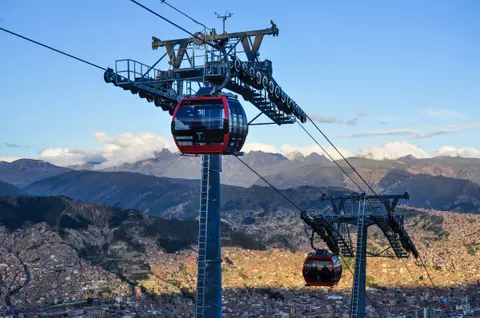
- Purple Line, the closest station: from San José, the line’s downtown terminal, ride Mi Teleférico’s Línea Morada up to Faro Murillo. The 12 de Octubre area is about 1 km west of the station. Take a short taxi or walk slowly, because you’re now above 4,000 m.
- Red Line, if you’re visiting the market first: ride the Línea Roja from Estación Central to 16 de Julio (11 minutes). The 12 de Octubre area is almost 2 km south as the crow flies, so take a taxi, or change to the Silver Line (Línea Plateada) for Faro Murillo.
As of September 2026, a ride costs Bs 3 (about US$0.25), plus Bs 2 for each transfer. On Sundays the cable cars run from 07:00 to 21:00; the transport ministry and Mi Teleférico’s own website give different weekday hours. Pay cash at the ticket booths, because QR payment needs a Bolivian bank app. More in our La Paz cable car guide.
A taxi from downtown costs Bs 35-50 (US$3-4) in older guides. Fuel prices have risen since those were written, so agree the fare before you get in. The UK Foreign Office recommends radio taxis, cars from a dispatch company with its name and phone number on a roof sign, and advises against sharing one with strangers.
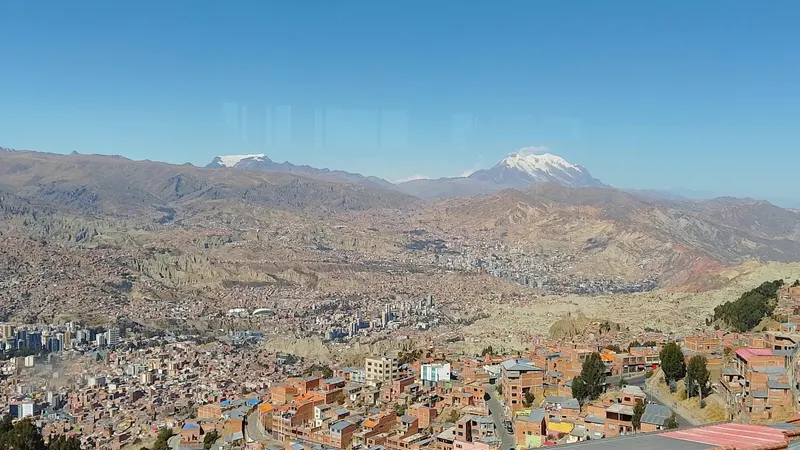
Plan the ride back before you leave. The sun sets in La Paz at about 18:10 in late June and 19:05 in late December, so a two-hour show that starts at 17:00 ends after dark for most of the year. A Sunday show that starts at 15:00, as the relaunch did, probably ends in daylight, though the city hasn’t said how long it runs.
What happens at a show, and is it staged?
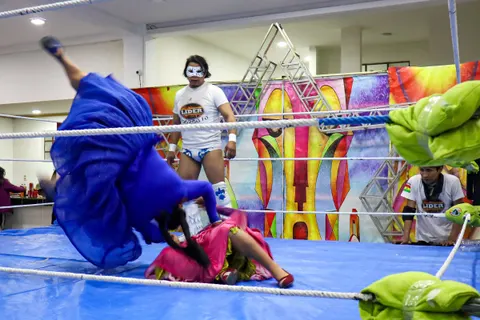
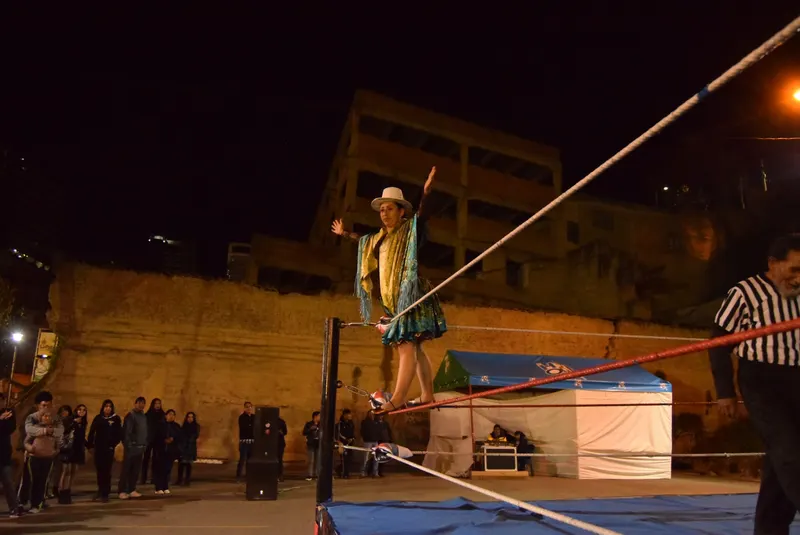
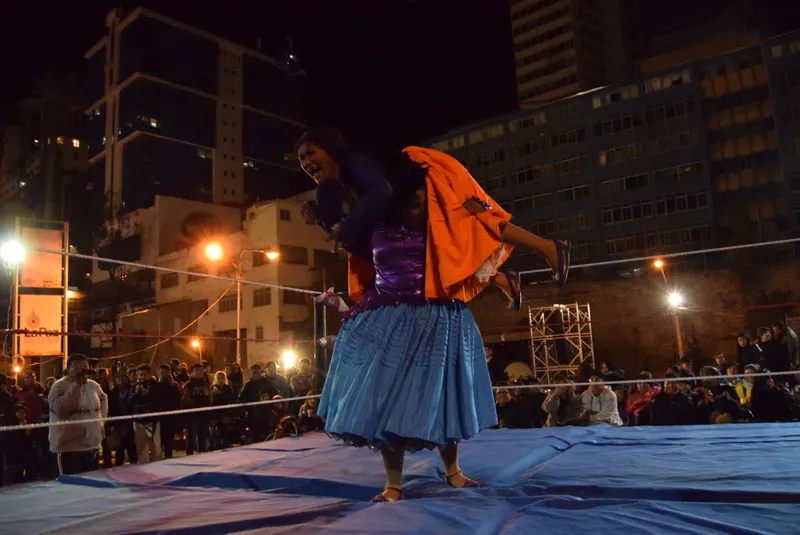
Cholita wrestling is a card of theatrical pro-wrestling bouts. The card announced for the municipal relaunch named male wrestlers such as Sombra Vengadora, Mister Atlas and La Momia alongside the Cholitas Kachaskanistas. Some bouts pit cholita against cholita; others mix women and men. Expect holds, locks, scissors, backbreakers, karate kicks and flying moves off the ropes, all performed in pollera and braids. Shows run about 1.5 to 2 hours.
The front rows are part of the act. One operator warns that you may get sprayed with water or end up in the middle of a fight that spills out of the ring. Diana Tours describes its El Alto arena as a modest sports hall with plastic chairs, cement bleachers and a corrugated roof.
Is cholita wrestling real?
It’s scripted, the way WWE is. bolivianlife.com describes predetermined outcomes, cooperative moves and assigned characters, and one operator calls the fights choreographed. The athletics are real. The cholitas train twice a week, National Geographic reported in 2018, and one wrestler told the magazine she had broken her wrist but never had an injury that kept her from coming back.
Is cholita wrestling worth it?
Yes, if you enjoy scripted heroes and villains and a crowd that cheers and boos. The city pitched the Sunday show at El Alto families, while one operator says its tourist-show audience is mostly international visitors, and bolivianlife.com notes that some less positive reviews mention tourists seated ringside with local fans further back. Go on a Sunday if you want to boo the villain alongside alteños (El Alto residents). If staged fighting bores you, spend the afternoon on El Alto’s cholets and market instead.
Make a Sunday of it: 16 de Julio market, cable car and wrestling
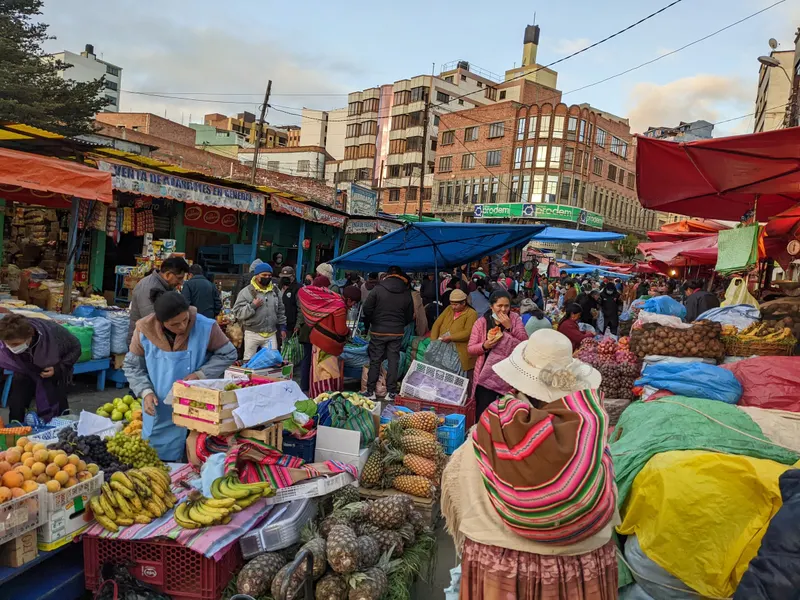
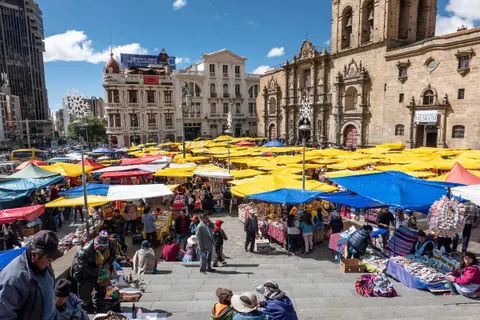
The Feria 16 de Julio covers about 200 blocks of El Alto every Thursday and Sunday, and the Red Line’s top station sits in the market zone. The date occasionally moves; on 21 March 2026 it ran on a Saturday because of elections. A Sunday that combines both looks like this.
- Late morning, ride the Red Line from Estación Central to 16 de Julio (11 minutes, Bs 3).
- Walk the market and eat lunch there, with your phone in a front pocket.
- Around 14:30, take a taxi to the 12 de Octubre area for the show (15:00 at the relaunch; confirm the time).
- Afterward, ride down from Faro Murillo on the Purple Line before it closes at 21:00, or call a radio taxi.


If you’d rather have a guide, the Be a Local walking tour (from about US$8) runs an extended version on Thursdays and Sundays that, according to the operator, adds the cable car, the flea market and the cholitas show; ask whether the wrestling ticket is included. On a weekday, the 3-hour cholet architecture tour visits El Alto’s neo-Andean buildings inside and out. The cable car, cemetery and El Alto tour meets at 14:00, which clashes with the Sunday show and with tourist-show pick-ups, so book it for another day. More ideas in our El Alto guide and things to do in La Paz.
El Alto tours to pair with the wrestling
Book on Viator From $35Cholet Tour - Andean Architecture and Culture - El AltoFree cancellationCheck availability
 From $22Cable Car, Cementery, Shaman and El Alto Adventure in La PazFree cancellationCheck availability
Prices in US$ per person from Viator as of Sep 30, 2026. They change; you see the final price before paying.
Altitude, cold and safety in El Alto
Downtown La Paz sits at about 3,640 m (11,940 ft), and El Alto is about 450-500 m higher (Spanish and English Wikipedia give 4,090 m and 4,150 m). The CDC classes flying straight to La Paz as high risk for altitude illness and advises no alcohol for the first 48 hours. Skip the VIP beer on arrival day and save the wrestling for your third day or later. Our altitude sickness guide covers the symptoms.
El Alto gets cold once the sun goes. At the airport weather station (4,058 m), average lows sit below freezing from May to September, down to -4.1 °C (25 °F) in July, and December to March brings most of the rain. Bring a warm layer in any month, plus a rain jacket from December to March; our La Paz weather guide has month-by-month detail.
The US State Department’s August 2026 advisory rates Bolivia Level 2 (“exercise increased caution”) and tells its staff to pay extra attention in El Alto because of petty crime. Keep phones and cameras out of sight around La Ceja and the market, use radio taxis, and never get into an unmarked car with someone claiming to be police. Our La Paz safety guide has more.
Current conditions (September 2026)
Bolivia has been under a state of exception since 20 June 2026 (the UK Foreign Office says 21 June), extended to about mid-December 2026, and the extension decree allows a state of siege with possible curfews. Road blockades from 1 May to 23 June cut off La Paz and El Alto for about 53 days, and on 9 September the US Embassy warned of new protests over fuel prices. Blockades can cancel shows and pick-ups, so check with your operator on the day.
Both Viator packages above pick up on Calle Sagárnaga, so a hotel nearby saves you a taxi; see where to stay in La Paz.
Who are the cholitas, and is it respectful to watch?
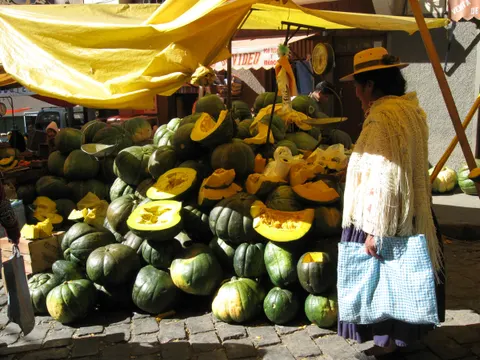
Cholita is the diminutive of chola, the word used in La Paz for women who wear the pollera with a shawl and a bowler hat. It began as a colonial-era slur, National Geographic notes, and many women now use it with pride. Most cholitas luchadoras are Aymara, and most also hold other jobs; one wrestler National Geographic met in 2018 owns a beauty salon. The story of the pollera and the bowler hat is in our guide to the cholitas of La Paz.
Watching is fine. A Bolivian promoter put women in the ring in 2002 to draw bigger crowds in El Alto, and today El Alto’s city hall runs the Sunday show itself. You’re one more ticket holder in the stands, so treat the wrestlers as athletes.
Etiquette in the arena
Photos of the ring are generally welcome, but ask before you photograph individual people in the stands. Carry small notes for the snack and souvenir vendors who work the crowd, cheer and boo along with everyone else, and leave the jokes about skirts at home.
A short history of Bolivia’s fighting cholitas
Bolivian wrestling (lucha libre) has been popular since the 1950s, according to National Geographic, which dates the cholitas’ arrival to the turn of the millennium; Spanish-language Wikipedia gives 2002.
- 2002: Women in polleras wrestle at the Multifuncional for the first time. The idea came from Juan Mamani, a wrestler and president of the Titanes del Ring (Titans of the Ring), who saw women wrestlers as a publicity draw.
- 2005: Tickets cost about US$1, and The New York Times reports that the Titans earn about US$13 a bout.
- 2006-2008: Mariam Jobrani’s 20-minute documentary The Fighting Cholitas (2006) wins an honorable mention in short filmmaking at Sundance 2007, and The Amazing Race (season 13, 2008) has contestants learn a routine with a cholita.
- 2018: National Geographic profiles wrestlers including Juanita la Cariñosa (Mary Llanos Sáenz), by then in the ring for nearly 20 years.
- December 2024: The Dinastía Cortez, a wrestling family that includes Yolanda “la Amorosa” (Veraluz Cortez) and Sarita “la Romántica” (Raquel Cortez), performs Friday to Sunday at the Centro Cultural Mamani Mamani on Calle Jaén, in central La Paz.
- 26 July 2026: El Alto’s city hall brings Sunday wrestling back to the Multifuncional with a free show, then weekly at “popular prices”, and says it plans to extend the program to the Polideportivo de Juntuma in District 8.
The cholitas have also wrestled abroad, first in Peru and later in Argentina.
Frequently asked questions
Is cholita wrestling worth it?
Yes, if you like loud, theatrical live shows and go in knowing the fights are choreographed. The Sunday municipal show in El Alto is cheap and aimed at local residents; the tourist shows are easier to reach with hotel pick-up. Reviews split sharply: Viator's most-reviewed package has 24 five-star and 7 one-star ratings out of 40 (September 2026). If staged fighting bores you, spend the afternoon at El Alto's market and cholet buildings instead.
Where can I see cholita wrestling in La Paz?
In El Alto, the city on the plateau above La Paz. The municipal Sunday show is at the Multifuncional “Heriberto Gutiérrez”, in the 12 de Octubre area near La Ceja; the city has not published a street address, so confirm it when you buy. Tourist shows use other El Alto venues, including event halls in cholet buildings and “La Casa de la Cholita”. In December 2024 a family troupe also wrestled at the Centro Cultural Mamani Mamani on Calle Jaén in central La Paz.
What days is cholita wrestling on?
The fixed day is Sunday, for the municipal show relaunched on 26 July 2026; the relaunch started at 15:00, but the city gave no time for later Sundays. Tourist shows depend on the promoter. As of September 2026, Mapamundi Go's Viator package runs Tuesday, Wednesday, Thursday, Saturday and Sunday, another operator lists a 17:00 show every day, and one agency sells only Tuesday, Thursday and Sunday. Confirm the day, venue and start time with whoever sells your ticket.
How much are cholita wrestling tickets?
As of September 2026, tourist-show tickets cost Bs 50-80 (US$4-7) at the door, and packages with round-trip transport from downtown La Paz cost Bs 90-150 (US$7.50-12.50). Viator packages run from about US$15 to US$25. The Sunday municipal show charges “popular prices” with no published amount; a 2026 blog puts local door tickets under Bs 20. Pay in bolivianos and carry small notes.
Is cholita wrestling real or staged?
Staged, like WWE. Outcomes are decided in advance, the moves are cooperative and the characters are assigned. The athletics and the injuries are real, and National Geographic reported in 2018 that the wrestlers train twice a week. Front-row seats can get splashed with water or caught up in a fight that spills out of the ring, which is part of the show.
Can I go to cholita wrestling without a tour?
Yes, and on a Sunday we'd recommend it. Take Mi Teleférico's Purple Line to Faro Murillo, or the Red Line to 16 de Julio, for Bs 3, then a short taxi ride to the 12 de Octubre area; confirm the start time first. On other days the 17:00 tourist shows end after dark for most of the year, and once you add taxis both ways, a package with transport costs about the same. See our La Paz cable car guide.
Who are the Cholita Climbers of Bolivia?
The Cholitas Escaladoras are Aymara women who climb in polleras. Lidia Huayllas founded the group in 2015, the year they first reached the summit of Huayna Potosí (6,088 m). They climbed Illimani in 2017, five of them stood on top of Aconcagua on 23 January 2019, and Jaime Murciego's documentary Cholitas follows that expedition. They are a separate group from the wrestlers. See our Huayna Potosí climbing guide.
Keep planning