


Quick answer
The best time to visit Bolivia is the dry season, May to September, when skies are clear over La Paz, Lake Titicaca and the Uyuni salt flats and the Amazon gets its least rain. Nights drop below freezing in El Alto, Potosí and Uyuni. Come in January or February for the Uyuni mirror and the Oruro Carnival, and accept rain and cut roads. We'd pick May or September, either side of the July-August crowds.
On this page
- When is the best time to visit Bolivia?
- What is the climate of Bolivia?
- Bolivia weather by region
- Bolivia weather by month
- Uyuni salt flats: mirror season or dry season?
- Best time for the Death Road, climbing, Lake Titicaca and the Amazon
- Bolivia festival calendar 2026-2027
- Traveling to Bolivia in late 2026: current conditions
- What to pack for Bolivia’s seasons
- Frequently asked questions
Bolivia climbs from Amazon lowlands at about 200 m (660 ft) to an Altiplano where La Paz, Lake Titicaca and the Uyuni salt flats all sit above 3,600 m (11,800 ft), so the right month depends on where you’re headed. Seasons run opposite to North America and Europe: June to August is the dry, cold winter, and December to March the rainy summer. Climate figures come from SENAMHI, Bolivia’s weather service; current conditions were checked in late September 2026.
- Dry season
- May to September
- Rainy season
- November to March, heaviest Dec-Mar
- Uyuni mirror
- Mid-January to February, not guaranteed
- Coldest nights
- -9.7 °C (15 °F), Uyuni in July
- Busiest months
- July and August
- Our pick
- May or September
When is the best time to visit Bolivia?
For most trips, May to September, with clear skies over the highlands, open tracks to the lagoons south of Uyuni and the Amazon’s driest weeks. We’d pick May or September. Both are dry, and both miss July and August, which Journey Latin America, a UK tour operator, names as the busiest months.
Canada and the UK give November to March as the rainy season, and every Andean and valley station in our region table gets at least three quarters of its year’s rain in those months, from 76% in La Paz to 94% in Uyuni.
May to September
Dry seasonLa Paz averages 2 to 7 rain days a month and Uyuni almost none, but July nights fall to -4.1 °C (25 °F) at El Alto and -9.7 °C (15 °F) in Uyuni. Wildfire smoke can drift over the east (July to October per Canada, May to October per the UK).
Verdict: the best window for trekking, climbing, the Death Road, the Uyuni-Lípez loop and the Amazon. Pack a down jacket.
April, October and November
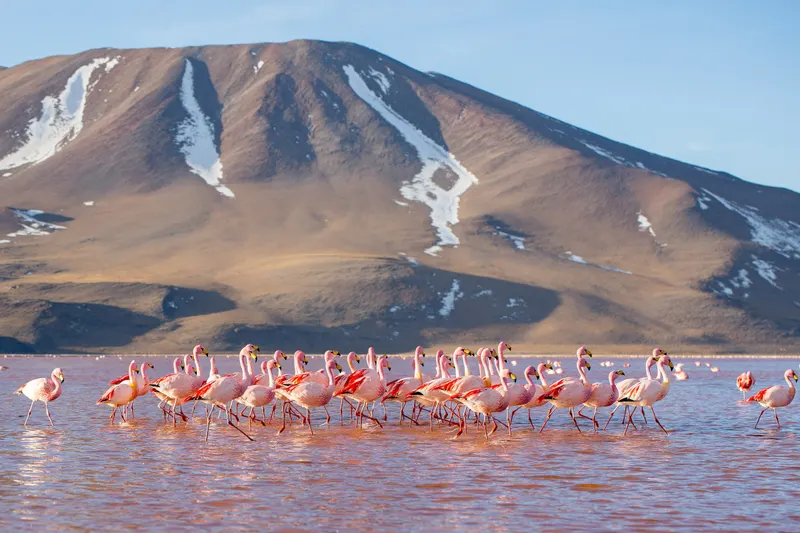
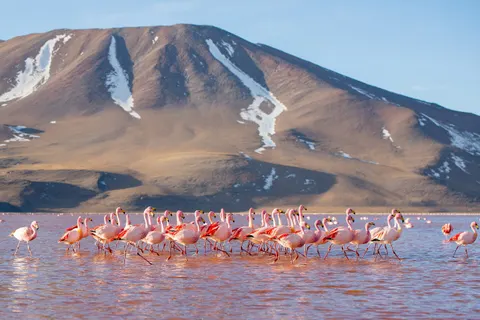
Shoulder monthsLa Paz gets 9 to 11 rain days a month, and November brings its warmest afternoons, 20.4 °C (69 °F). Uyuni stays almost dry at 2 to 4 mm a month, and three flamingo species breed on the salar every November.
Verdict: fewer visitors and dry salt flats. Keep a spare day for rain.
December to March
Rainy seasonJanuary is the wettest month almost everywhere: 21 rain days in La Paz, 185 mm (7.3 in) at Lake Titicaca, 318 mm (12.5 in) in Rurrenabaque. Canada warns of landslides and impassable roads and says the salt flats “become dangerous to visit in the rainy season.”
Verdict: go for the mirror, the Oruro Carnival and La Paz’s Alasita fair. Skip it for trekking, the Death Road or the Amazon.
What is the climate of Bolivia?
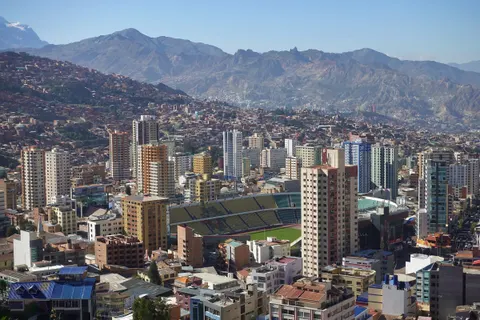
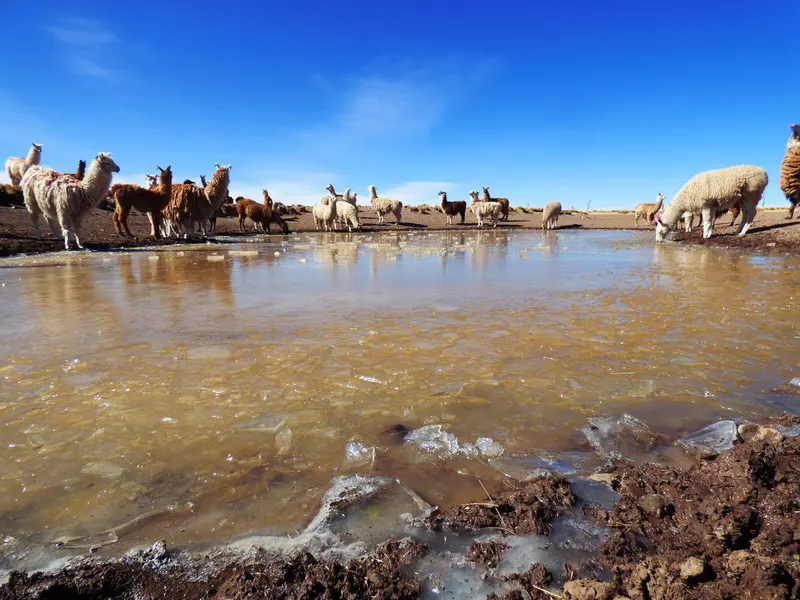
Altitude sets Bolivia’s temperatures more than the calendar does. On a July afternoon Cochabamba reaches about 25 °C (77 °F); that night Uyuni, 1,100 m higher, averages -9.7 °C (15 °F). Rain falls mostly in the southern summer and thins from north to south, from about 2,100 mm (83 in) a year in Rurrenabaque to 190 mm (7.5 in) in Uyuni. In winter, cold southern winds called surazos bring chilly spells to Santa Cruz and the Chaco.
The country splits into four climate zones. The Altiplano and high Andes (La Paz, Titicaca, Uyuni, Potosí) have dry air, strong sun and a snow line at about 4,600 m (15,100 ft). The valleys (Sucre, Cochabamba, Tarija) stay mild all year. The Yungas, cloud forest on the Andes’ eastern slope, catch moist northeasterly winds; around Coroico about 1,227 mm (48 in) of rain falls a year. The lowlands (Santa Cruz, Beni, Pando, the Chaco) are hot and humid.
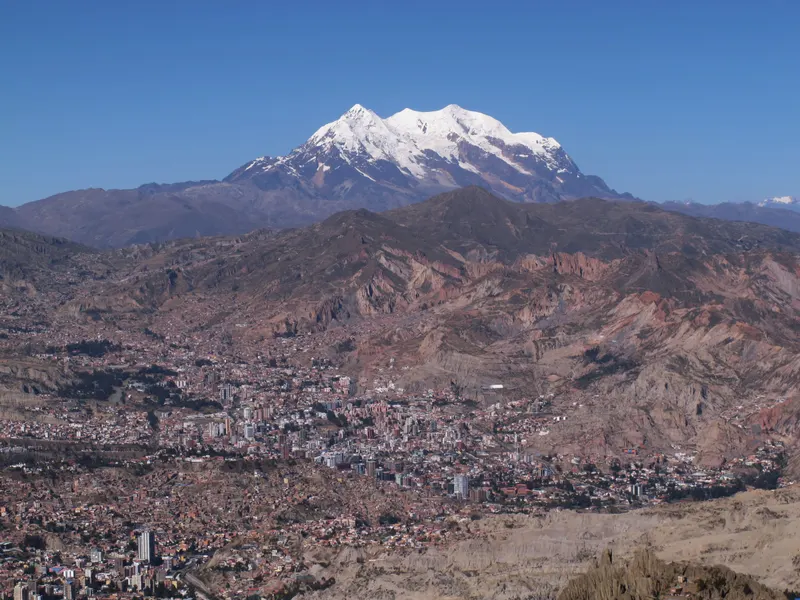
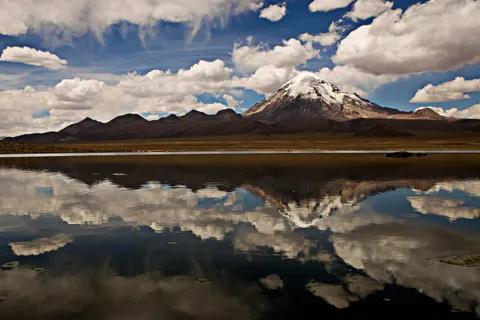
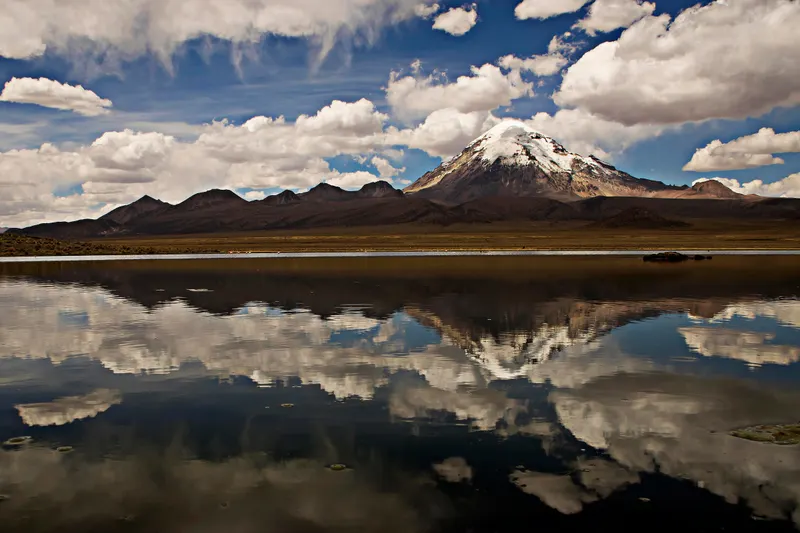
Sajama National Park, around Nevado Sajama (6,542 m / 21,463 ft), Bolivia’s highest peak, gets 93% of its rain from November to March, and its July nights average -9.1 °C (16 °F). SENAMHI posts daily forecasts in Spanish at senamhi.gob.bo.
Bolivia weather by region
For Fahrenheit, -10 °C is 14 °F, 0 °C is 32 °F, 15 °C is 59 °F and 30 °C is 86 °F; 25 mm of rain is about 1 inch.
| Place (station elevation) | January: high/low, rain | July: high/low, rain | Best months |
|---|---|---|---|
| La Paz center, 3,650 m | 18/7 °C, 126 mm | 17/3 °C, 5 mm | May-Sep |
| El Alto airport, 4,058 m | 15/4 °C, 134 mm | 14/-4 °C, 7 mm | May-Sep |
| Lake Titicaca (Copacabana), 3,815 m | 15/5 °C, 185 mm | 13/2 °C, 9 mm | May-Oct |
| Uyuni, 3,680 m | 21/6 °C, 79 mm | 13/-10 °C, 0 mm | Apr-Nov; Jan-Feb mirror |
| Potosí, 3,950 m | 17/4 °C, 105 mm | 15/-3 °C, 1 mm | Apr-Oct |
| Sucre, 2,890 m | 22/11 °C, 148 mm | 21/4 °C, 3 mm | Apr-Oct |
| Cochabamba, 2,548 m | 25/12 °C, 118 mm | 25/2 °C, 2 mm | Apr-Oct |
| Tarija, 1,875 m | 27/15 °C, 130 mm | 24/2 °C, 0 mm | Apr-Oct |
| Santa Cruz de la Sierra | 31/23 °C, 136 mm | 26/16 °C, 53 mm | May-Sep |
| Rurrenabaque (Amazon), 204 m | 31/22 °C, 318 mm | 28/16 °C, 88 mm | Jun-Sep |
Source: SENAMHI normals (1981-2010 or 1991-2020) via each place’s Wikipedia climate table. For La Paz month by month, see La Paz weather.
Santa Cruz weather
Santa Cruz de la Sierra is hot and humid all year, with afternoons of 25-32 °C (78-89 °F). December and January are the wettest months (141 and 136 mm), and even the driest, July to September, average 52-55 mm. On September 28, 2026, the departmental government reported a forest-fire emergency after 142 fires had burned 41,360 hectares that year.
Sucre, Cochabamba and Tarija weather
Afternoons reach 21-23 °C (69-74 °F) in Sucre and 25-28 °C (77-82 °F) in Cochabamba, and July nights drop to 2-4 °C (36-39 °F) in all three valley cities. Between 82% (Sucre) and 89% (Tarija) of the rain falls from November to March.
Bolivia weather by month
Average monthly rain in downtown La Paz, Uyuni and Rurrenabaque, the Amazon gateway.
| Month | La Paz | Uyuni | Amazon | Verdict |
|---|---|---|---|---|
| January | 126 mm, 21 rain days | 79 mm; mirror from mid-month | 318 mm | Mirror and Alasita; poor for trekking |
| February | 81 mm, 17 days | 38 mm; mirror | 307 mm | Carnival; book early |
| March | 68 mm, 15 days | 29 mm; water may linger | 241 mm | Mixed |
| April | 27 mm, 9 days | 2 mm; salt drying | 158 mm | Good shoulder month |
| May | 9 mm, 4 days | 1 mm; nights -6 °C | 131 mm | Our pick |
| June | 8 mm, 2 days | 2 mm; nights -10 °C | 129 mm | Clear and cold |
| July | 5 mm, 2 days | 0 mm; nights -10 °C | 88 mm | Clearest and busiest |
| August | 12 mm, 4 days | 2 mm; snow can close roads | 73 mm | Festive; add spare days |
| September | 25 mm, 7 days | 2 mm; nights -5 °C | 77 mm | Our pick |
| October | 38 mm, 11 days | 3 mm | 135 mm | Good shoulder month |
| November | 44 mm, 11 days | 4 mm; flamingos | 193 mm | Good, with showers |
| December | 82 mm, 16 days | 26 mm | 256 mm | Cities fine, outdoors iffy |
Bolivia in July
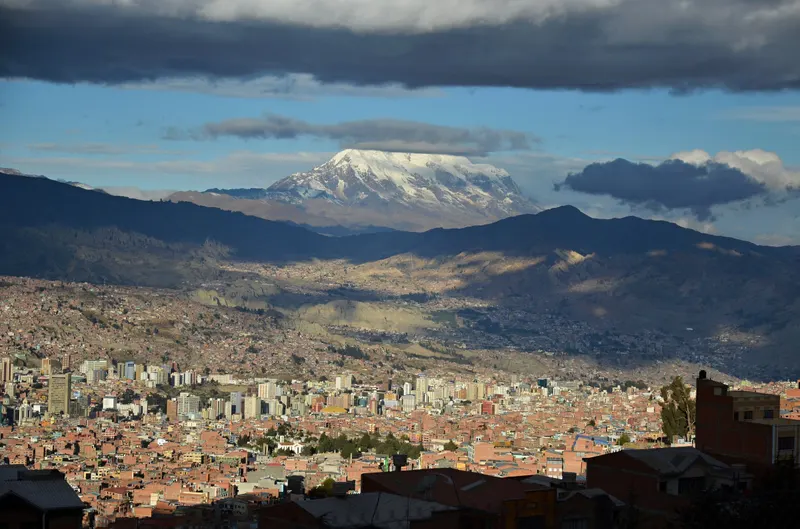
July is the Andes’ midwinter and their driest, coldest and busiest month, with sharp views of the Cordillera Real. Downtown La Paz averages 17 °C afternoons and 2.8 °C nights, while average lows in El Alto, Potosí, Sajama and Uyuni fall below freezing. Ask whether your room has heating.
Is November a good time to visit Bolivia?
Yes, for the highlands and Uyuni. The salt flat is still dry, the Lípez loop runs, La Paz has its warmest afternoons, and the month opens with Todos Santos and the Ñatitas skull festival. Showers return (11 rain days in La Paz) and the Amazon turns wet.
Bolivia in December
Rain builds: 16 rain days in La Paz, 256 mm in the Amazon. Uyuni gets 26 mm, and the mirror usually forms from mid-January. Cities and museums work fine; give mountain days a backup date.
Uyuni salt flats: mirror season or dry season?
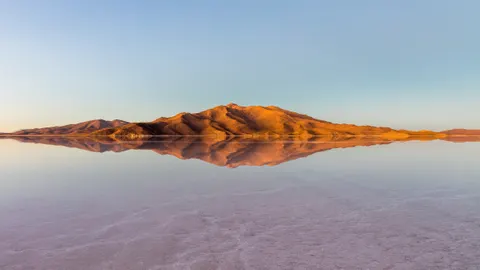
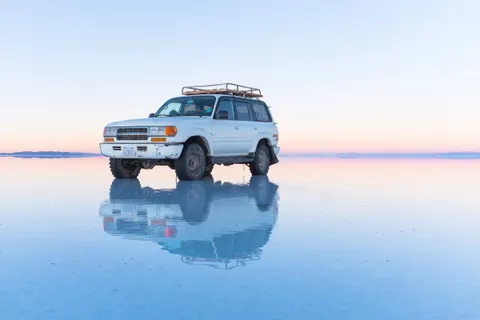
Operators quote anything from December to April for the mirror, but Uyuni’s rain (79 mm in January, 38 in February, 29 in March, 2 in April) makes mid-January through February the likeliest window, March possible and April rare, with no guarantee. Water usually keeps jeeps off Isla Incahuasi, the cactus island, and several operators drop it from January to March.
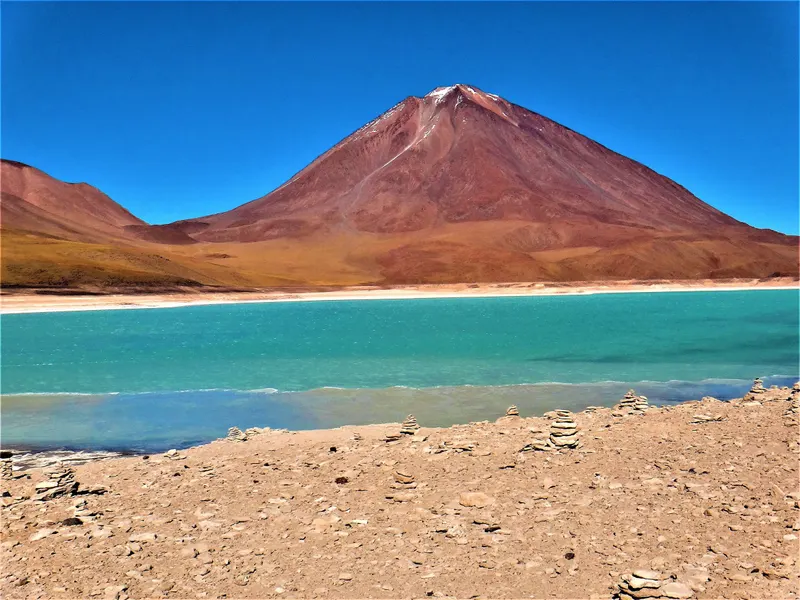
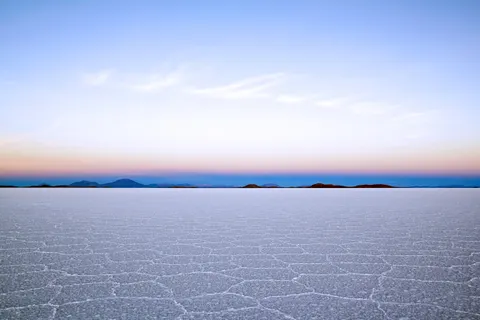
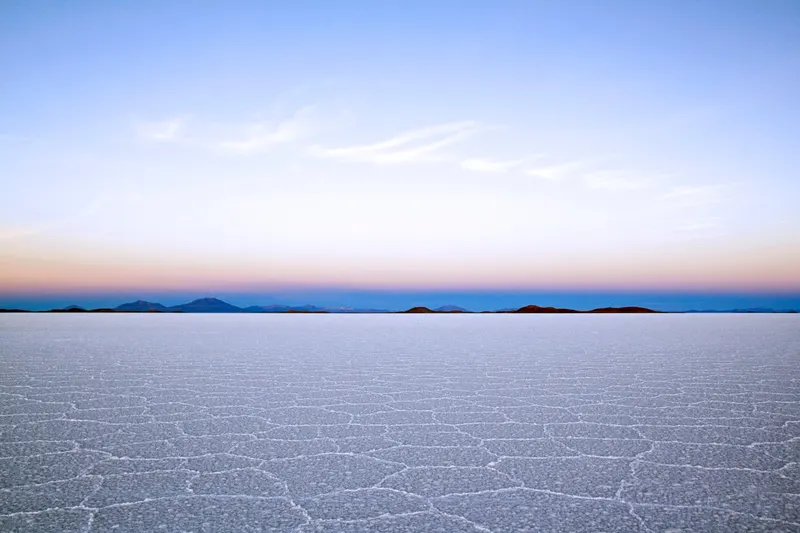
From April to November the salt is dry and cracked into white hexagons, Incahuasi is open and the 3-day loop through the Eduardo Avaroa reserve’s colored lagoons runs as planned, at the cost of freezing nights and the odd snowstorm. In 2026, snow stranded about 200 people on the Uyuni-Potosí road from August 17 and shut the reserve for two days before it reopened on September 20. The reserve fee is Bs 150 (about US$12.50) in cash, usually on top of the tour price (last confirmed in 2021).
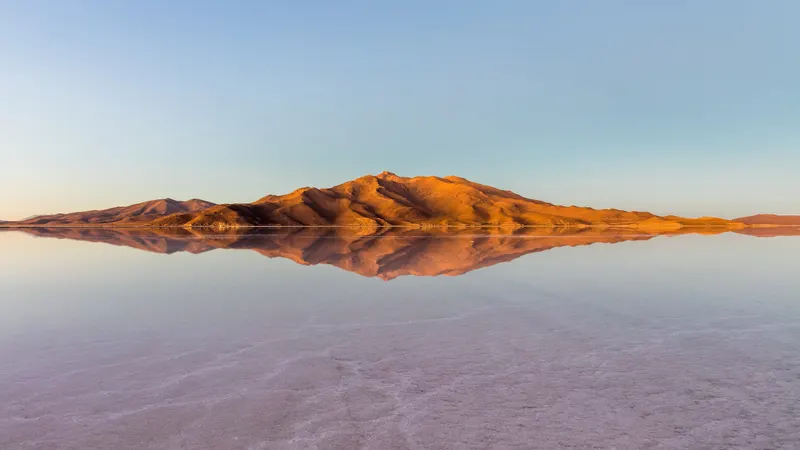
Some day tours sell a mirror year-round by driving to a spot that stays wet and handing out rubber boots; expect reflections around one patch. For early 2027, NOAA expects a very strong El Niño, and Bolivia’s government forecasts below-normal rain in the west, including Potosí department, home to the salar. That could weaken the mirror, so book with free cancellation. Day tours start at about $80 and the 3-day loop at about $290 (September 2026).
Well-reviewed Uyuni tours for either season
Book on Viator From $80Uyuni Salt Flat 1 Day Tour +Sunset in the Salt Water Region with Mirror EffectFree cancellationCheck availability
 From $95Salar de Uyuni Tour 1 day with SunsetFree cancellationCheck availability
 From $2903-Days Tour to the Uyuni Salt Flat and Colored Lagoons +Sunset+Mirror EffectFree cancellationCheck availability
Prices in US$ per person from Viator as of Sep 30, 2026. They change; you see the final price before paying.
Plan the trip with our Uyuni salt flats guide, compare operators in Uyuni tours compared and choose bus or plane in La Paz to Uyuni.
Best time for the Death Road, climbing, Lake Titicaca and the Amazon
Which one is for you?
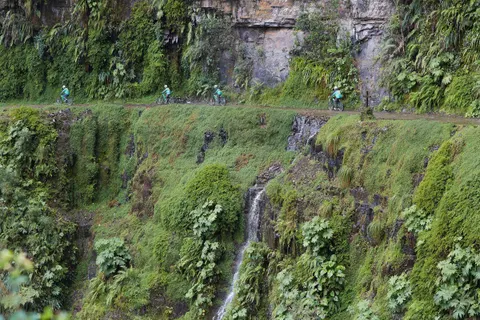
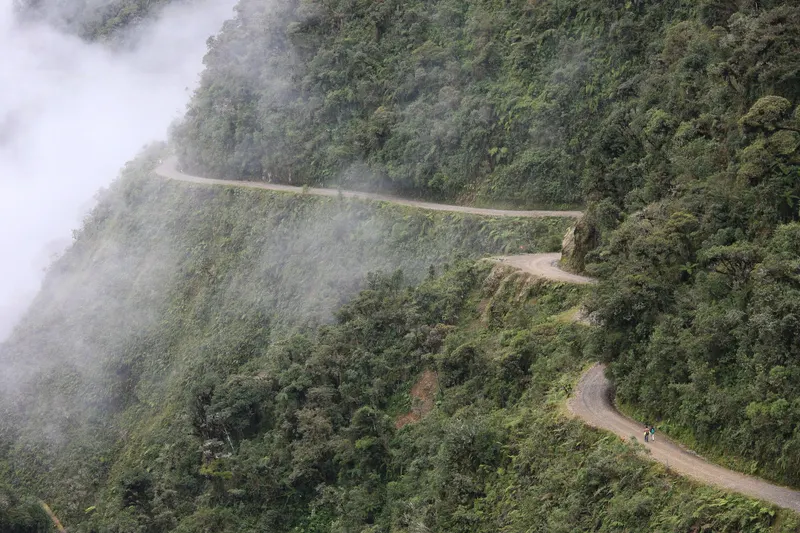
- If you’re riding the Death Road: May to October. From November to March, rain brings mud, fog and landslides below La Cumbre; after a rider died in a 100 m fall in March 2021, the local fire chief urged operators to tighten rainy-season safety. See our Death Road guide.
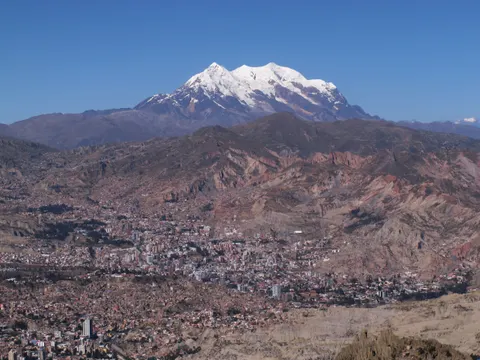
- If you’re climbing Huayna Potosí or going up Chacaltaya: May to September, with less snow, wind and cloud. See Huayna Potosí climb and Chacaltaya.
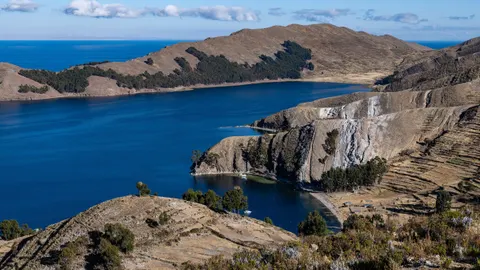
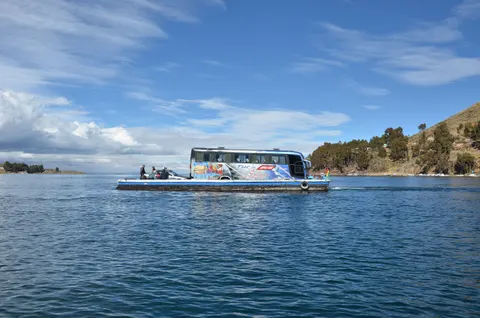
- If you’re going to Lake Titicaca: May to October. Copacabana fills for its February 2 and August 5 feasts and the Holy Week pilgrimage, and access to northern Isla del Sol changes, so ask the day before. See Lake Titicaca, Copacabana and Isla del Sol.
- If you’re heading to the Amazon: June to September. From July to September Rurrenabaque gets 73-88 mm of rain a month, against 318 mm in January, and animals gather at the rivers. Pack a fleece for 16 °C (61 °F) nights and cold snaps to 7 °C. See Rurrenabaque and Madidi.
Bolivia festival calendar 2026-2027
Weekdays are our calculation.
| Date | Festival | Where and notes |
|---|---|---|
| Nov 1-2, 2026 | Todos Santos | Nationwide; Nov 2 is a holiday |
| Sun Nov 8, 2026 | Ñatitas | Decorated skulls at La Paz’s Cementerio General; be discreet |
| Sun Jan 24, 2027 | Alasita fair opens | La Paz; miniatures of wished-for goods; UNESCO-listed |
| Tue Feb 2, 2027 | Virgen de la Candelaria | Copacabana |
| Sat Feb 6, 2027 | Oruro Carnival parade | Oruro; UNESCO-listed; holidays Feb 8-9 |
| Mid-March 2027 | Pujllay | Tarabuco, near Sucre; 2nd or 3rd Sunday (sources differ) |
| Fri Mar 26, 2027 | Good Friday | Pilgrimage on foot, La Paz to Copacabana |
| Sat May 22, 2027 (expected) | Gran Poder | La Paz; not yet announced (2026’s moved to Aug 1 after the blockades) |
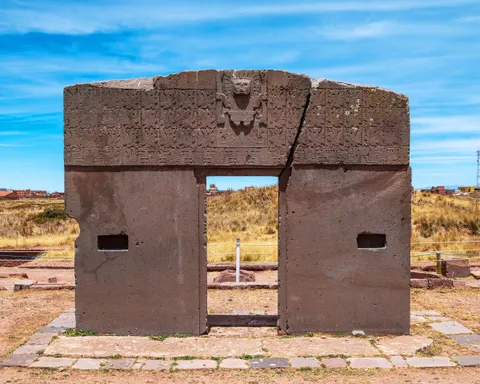
| Mon Jun 21, 2027 | Andean New Year (Willka Kuti) | Dawn ceremony at Tiwanaku |
| Fri Jul 16, 2027 | Fiestas Julias | La Paz; 1809 revolution anniversary |
| Thu Aug 5, 2027 | Virgen de Copacabana | Copacabana’s main feast |
| Fri Aug 6, 2027 | Independence Day | Nationwide |
| Sun Aug 15, 2027 | Virgen de Urkupiña | Quillacollo, near Cochabamba |
We’d book buses and rooms well ahead for Carnival, Holy Week and the August 6 and November 2 holidays.


Traveling to Bolivia in late 2026: current conditions
As of late September 2026
A state of exception, in force since June 20, 2026, runs to about mid-December. It followed blockades that cut off La Paz, El Alto and Cochabamba from May 1 to June 23. Diesel jumped from Bs 9.80 to Bs 17.95 a liter on September 18. Santa Cruz transport struck on September 28 (La Paz did not) and threatened a 48-hour blockade from October 5. After Yungas transport unions announced blockades, police posted more than 900 officers at La Paz’s main entrances. NOAA expects a very strong El Niño in 2026-27, which Bolivian forecasters say means a drier, warmer west and wetter lowlands.
Our advice: book tours with free cancellation, keep one or two spare days before an international flight (snow cancelled more than 60 El Alto flights on August 24, 2026) and fly the long legs if blockades are announced. Americans have not needed a visa since December 1, 2025 (Bolivia visa), and the boliviano now floats at about Bs 12 per dollar (Bolivian currency). Check is La Paz safe? and the US Embassy alerts before you go.
What to pack for Bolivia’s seasons
- May to September: a down jacket, hat and gloves for nights below freezing in El Alto, Potosí and Uyuni.
- December to March: a rain shell and shoes that handle water.
- The Amazon: light long sleeves, insect repellent and a fleece.
- All year: high-SPF sunscreen and sunglasses; the WHO notes that UV rises with altitude. Read up on altitude sickness before you fly.
For daily logistics, see La Paz travel tips. To build a route, start with our Bolivia itinerary, things to do in Bolivia or, coming from Peru, Cusco to La Paz.
Frequently asked questions
When is the worst time to visit Bolivia?
January and February, if your trip is built around trekking, climbing, the Death Road or the Amazon. La Paz averages 21 rain days in January, Rurrenabaque gets 318 mm (12.5 in), and landslides can close roads. The same two months are the best bet for the Uyuni mirror and the Oruro Carnival. In any month, avoid dates when blockades are announced; in 2026 they cut off La Paz from May 1 to June 23.
Is it cold in Bolivia in July?
In the highlands, yes. July is midwinter. La Paz averages 17 °C (63 °F) in the afternoon and 3 °C (37 °F) at night, El Alto -4 °C (25 °F) and Uyuni -10 °C (15 °F), according to SENAMHI averages. Santa Cruz, in the lowlands, runs about 26 °C (79 °F) by day and 16 °C (61 °F) at night. Pack a down jacket, hat and gloves for the Altiplano.
Does it snow in Bolivia?
On the high Altiplano and the peaks, yes. El Alto averages 1.7 snow days a year, mostly in August and September, while downtown La Paz rarely sees snow. On August 24, 2026, snow cancelled more than 60 flights at El Alto airport, and in September 2026 snow closed the Eduardo Avaroa reserve south of Uyuni for two days. Illimani and Huayna Potosí keep snow all year.
Is it safe to travel in Bolivia right now?
For most visitors, yes, with caveats (as of late September 2026). The US rates Bolivia Level 2, exercise increased caution, and only Chapare Province Level 4. A state of exception runs to about mid-December 2026, and the September diesel price rise has brought strikes and blockade threats. Book flexible tours and keep spare days. Our Is La Paz safe? guide covers scams, taxis and protests.
What is the best month to visit La Paz?
May or September. Both are dry, with about 4 and 7 rain days in the city, and both fall outside the July-August peak. June and July are clearer still but colder, with nights around 3 °C (37 °F) downtown and below freezing in El Alto. Our La Paz weather guide has the full monthly numbers.
How many days do you need in Bolivia?
Seven days covers La Paz, a night on Lake Titicaca and the 3-day Uyuni tour. Ten to 13 days adds the Death Road, Tiwanaku, Sucre and Potosí. In the rainy season, or when protests are announced, add a spare day before your flight home. Our Bolivia itinerary lays out the routes day by day.
Can I combine Peru and Bolivia in the same season?
Yes. Cusco's dry months line up with the Altiplano's: 7 mm of rain in May and 3 mm in June, against 153 mm in January. The Inca Trail closes every February for maintenance, so a February trip for the Uyuni mirror rules out the trek. The overland route runs Cusco, Puno, Copacabana and La Paz; our Cusco to La Paz guide covers buses and the border.
Is Bolivia cheap to visit?
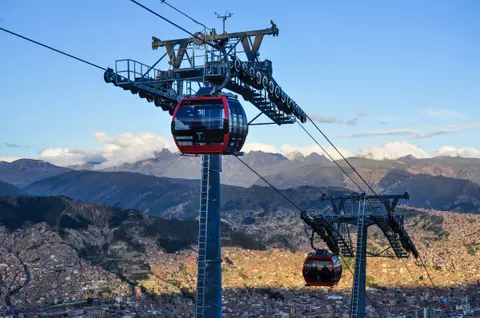
Day-to-day costs are low. At Bs 12.02 per US dollar (September 30, 2026), a cable-car ride costs Bs 3 (US$0.25) and Tiwanaku's entry Bs 100 (about US$8). The boliviano has floated since June 2026 and swung by more than 20% in September, and diesel rose 83% on September 18, so bus and tour prices may climb. See our Bolivian currency guide.
Keep planning