


Quick answer
The Salar de Uyuni is the world's largest salt flat (10,582 km²), about 3,660 m (12,000 ft) up in Bolivia's Potosí department. From La Paz you reach Uyuni town on a 1-hour BoA flight or a 10-hour overnight bus, then join a 4x4 tour. One day covers the salt flat; three days add the red and green lagoons. Go January to March for the mirror effect, or May to November for dry salt and clear night skies.
On this page
- Where is the Salar de Uyuni?
- Is the Salar de Uyuni worth it?
- Best time to visit the Bolivia salt flats: mirror or dry season
- Which Uyuni tour: 1, 2, 3 or 4 days?
- How to get to Uyuni from La Paz
- How much does the Salar de Uyuni cost? (2026 prices)
- Altitude and cold on the Uyuni salt flats
- Salar de Uyuni at night: sunset, stars and sunrise
- Where to stay: salt hotels or Uyuni town
- Crossing to San Pedro de Atacama (Chile)
- Current conditions (September 2026)
- Choosing an Uyuni tour operator
- Frequently asked questions
The Salar de Uyuni, in the Potosí department of southwest Bolivia, is the largest salt flat in the world, 10,582 km² (4,086 sq mi) of crust at about 3,660 m (12,000 ft). Most trips to the Bolivia salt flats start in the town of Uyuni, about 550 km (340 mi) south of La Paz by road, where 4x4 tours leave each morning for the salt and, on longer routes, for the red and green lagoons near the Chilean border. Prices below are.
- Altitude
- About 3,660 m (12,000 ft)
- Size
- 10,582 km² (4,086 sq mi)
- From La Paz
- 1 h flight or ~10 h night bus
- Reserve fee
- Bs 150 (about US$12.50)
- Mirror season
- January-March, rain permitting
Where is the Salar de Uyuni?
The salar fills the southwest corner of Bolivia’s altiplano, mostly in Potosí’s Daniel Campos province (Spanish-language Wikipedia puts its northern edge in Oruro). Uyuni town, founded in 1890 as a trading post, sits on the southeast edge, and tours enter the salt at Colchani, a salt-processing village 23-25 km north.
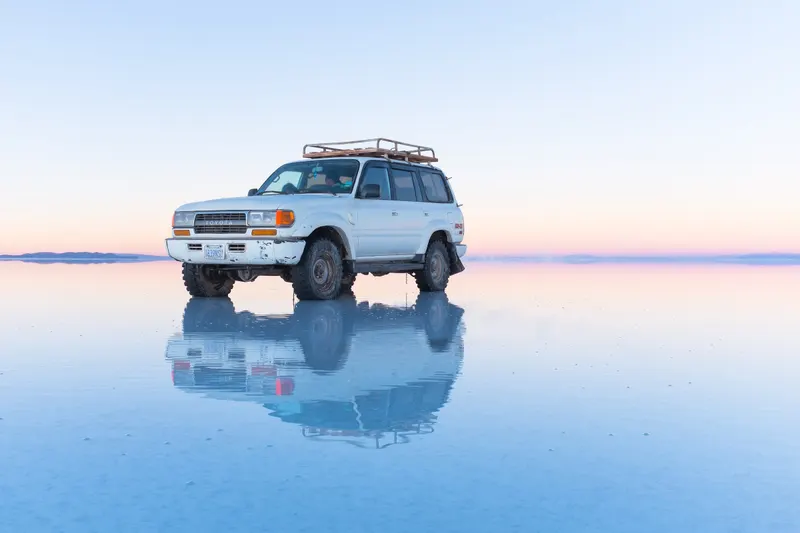
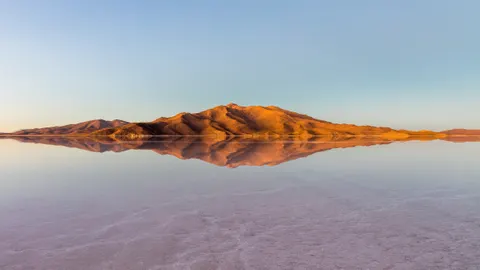
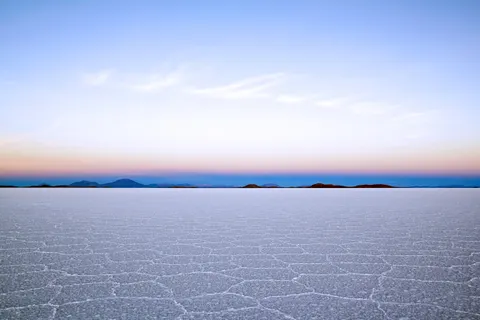
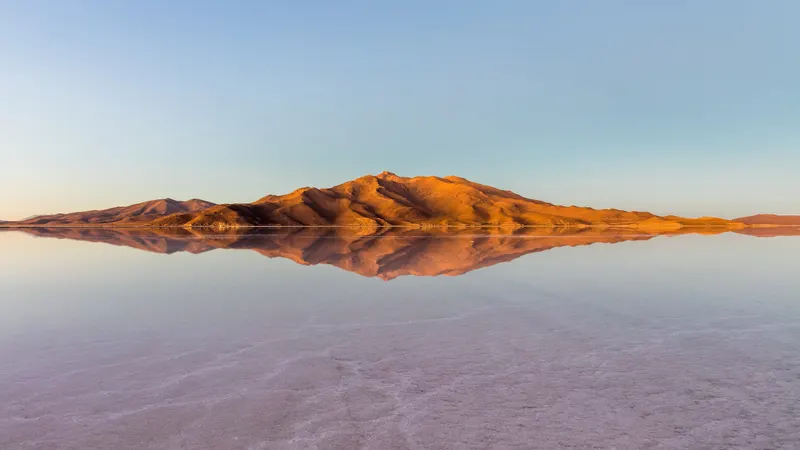
The flat is the dried bed of prehistoric lakes, the largest of them Lake Minchin (30,000 to 42,000 years ago). Its height varies by less than 1 m across the whole surface, so a thin sheet of rain turns it into a mirror. Under a crust several meters thick lie about 10 billion tonnes of salt and more than 20 million tonnes of lithium, though estimates vary.
Some tour listings call the salar a UNESCO World Heritage Site. It isn’t one, and it isn’t on Bolivia’s tentative list either.
Is the Salar de Uyuni worth it?
Bolivia’s tour guides’ federation estimates that more than 60% of the country’s foreign visitors include Uyuni (ABI, June 2026).
Our verdict
Yes, and give it three days if you can. The 3-day loop adds flamingo lagoons and a geyser field near 4,900 m to the salt, and we know of no better landscape trip in Bolivia. With only a weekend from La Paz, fly down for a 1-day tour rather than spend two nights on buses for 9 hours on the salt.
Which one is for you?
- If you have 1 day: the classic tour from Uyuni, 10:30 a.m. to sunset. Compare operators on our Uyuni salt flats tours page.
- If you have 2 days (April to December): add sunrise on the salt and Tunupa volcano.
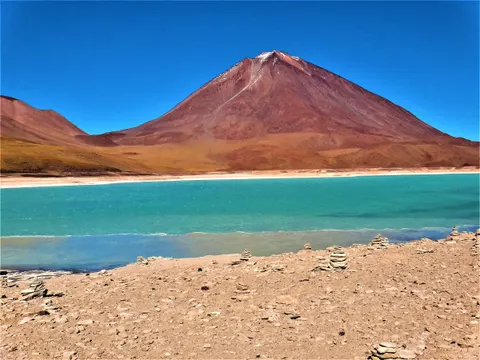
- If you have 3 days: the loop south to Laguna Colorada, the geysers and Laguna Verde.
- If you’re heading to Chile: a 3-day tour ending at the border for San Pedro de Atacama.
Best time to visit the Bolivia salt flats: mirror or dry season
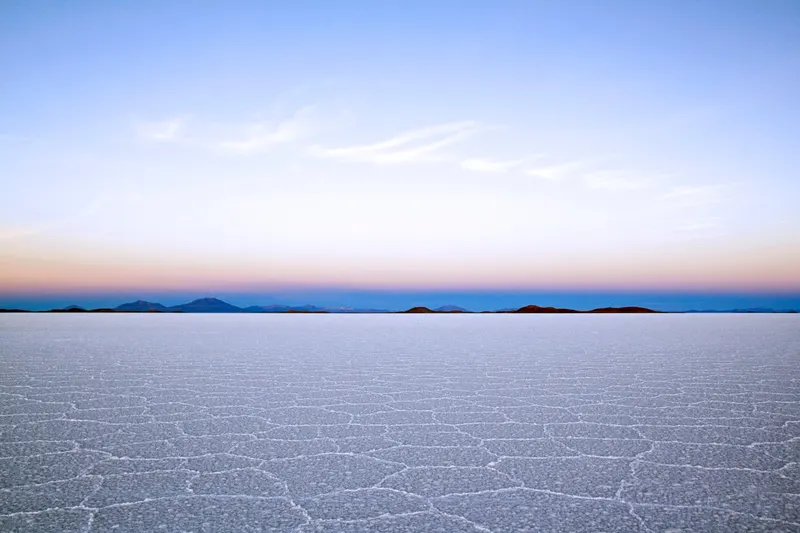
Uyuni gets about 190 mm (7.4 in) of rain a year, more than 90% of it from December to March. The mirror needs a thin, still layer of that rain on the salt. The rest of the year brings dry crust cracked into hexagons and a full route.
January to March
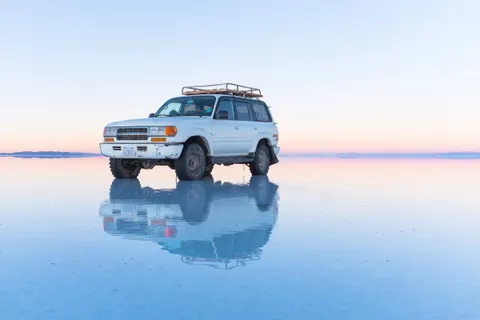
Rainy season: mirrorJanuary averages 79 mm of rain. Reflections are most reliable from mid-January to late February but never guaranteed. Tours often can’t reach Isla Incahuasi, and Canada’s travel advice warns that the flats become dangerous to visit in the rainy season.
Verdict: go for the reflections and accept a shorter route.
April and May
ShoulderWater lingers into April in some years, so you might get a reflection and Incahuasi on one trip. May’s average low in town is -6 °C (21 °F).
Verdict: a good compromise if the mirror is a bonus.
June to August
Dry and coldestSkies are clearest and nights coldest, with July averaging -10 °C (14 °F) in town and lower at the lagoon lodges. Snow closed roads around Uyuni in August 2026.
Verdict: best for stars; pack winter layers and keep a spare day.
September to December
Dry, warmingHighs climb from 17 °C (62 °F) in September to 21 °C (69 °F) by November, and every stop is open, though snow closed the Eduardo Avaroa reserve on 18-19 September 2026. December rain can bring early water.
Verdict: the best months for the 3-day loop.
| Month | Average high °C (°F) | Average low °C (°F) | Rain (mm) |
|---|---|---|---|
| January | 21 (69) | 6 (42) | 79 |
| February | 20 (68) | 5 (40) | 38 |
| March | 20 (68) | 3 (38) | 29 |
| April | 19 (66) | -1 (30) | 2 |
| May | 15 (59) | -6 (21) | 1 |
| June | 13 (55) | -10 (15) | 2 |
| July | 13 (56) | -10 (15) | 0 |
| August | 15 (59) | -8 (18) | 2 |
| September | 17 (62) | -5 (22) | 2 |
| October | 19 (66) | -3 (27) | 3 |
| November | 21 (69) | 0 (32) | 4 |
| December | 21 (69) | 3 (37) | 26 |
Figures are 1981-2010 averages for the Uyuni station (3,680 m) from SENAMHI, Bolivia’s weather service, via Wikipedia. For the whole country, see the best time to visit Bolivia.


Which Uyuni tour: 1, 2, 3 or 4 days?
Almost everyone sees the salar from a Land Cruiser with a driver-guide. The shared tours we checked cap groups at six or seven per vehicle.
The 1-day tour
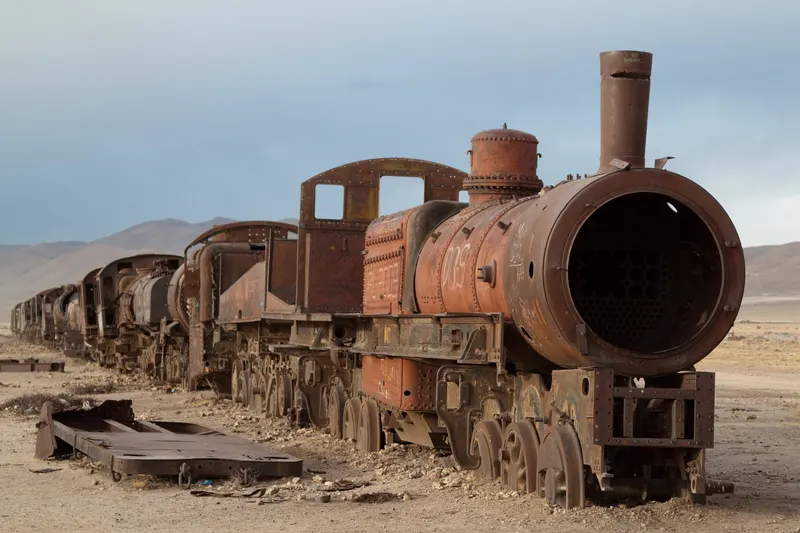
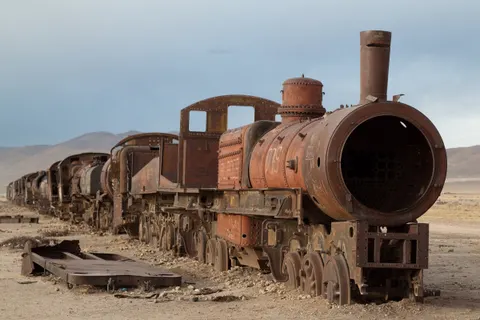
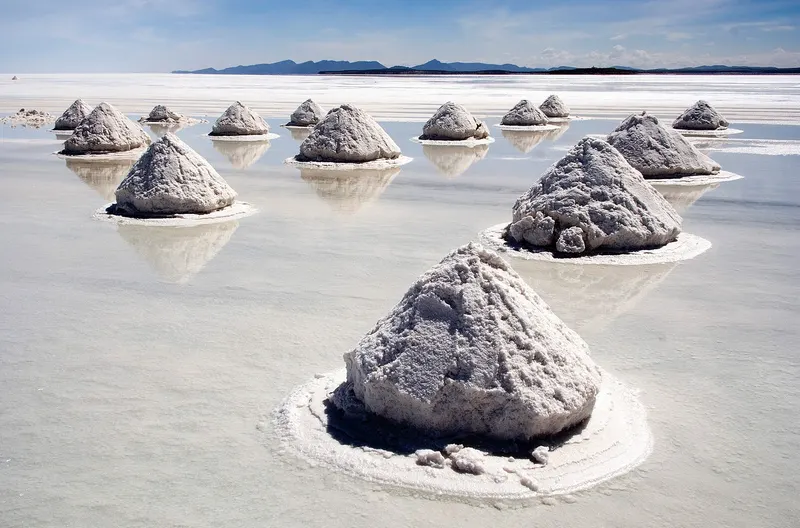
Most 1-day tours leave Uyuni at 10:00-10:30 a.m. and return around 7-8 p.m. First comes the train cemetery 3 km outside town, where engines of the British-built railway to Antofagasta (1888-1892) were abandoned from the 1940s, when mining collapsed. Then come Colchani’s salt works and craft stalls, the “ojos del salar” springs, Playa Blanca (a former salt hotel, now a museum), the Dakar Rally monument and the flags of the world.
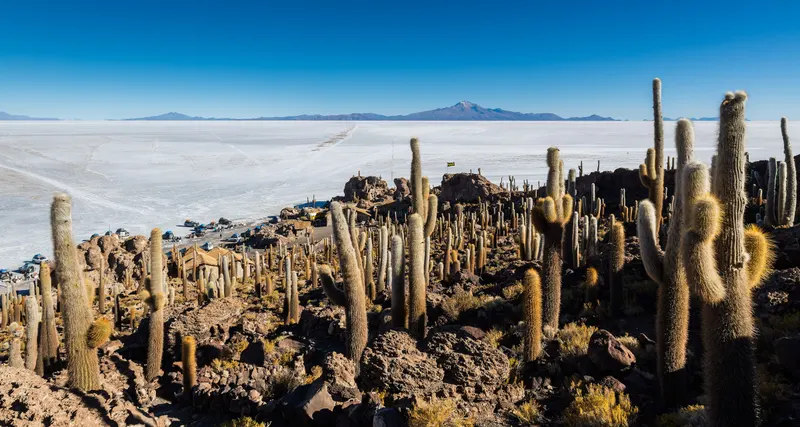
After lunch on the salt come the perspective photos, which work best on dry crust, so bring a small prop. In the dry months the tour then crosses to Isla Incahuasi, about 90 km from town, the top of an old volcano now covered in cacti up to about 10 m tall and coral-like fossil structures. Its 1 km loop trail takes 30-45 minutes and costs Bs 30 (about US$2.50) in cash. The day ends with sunset on the salt.
The 2-day tour
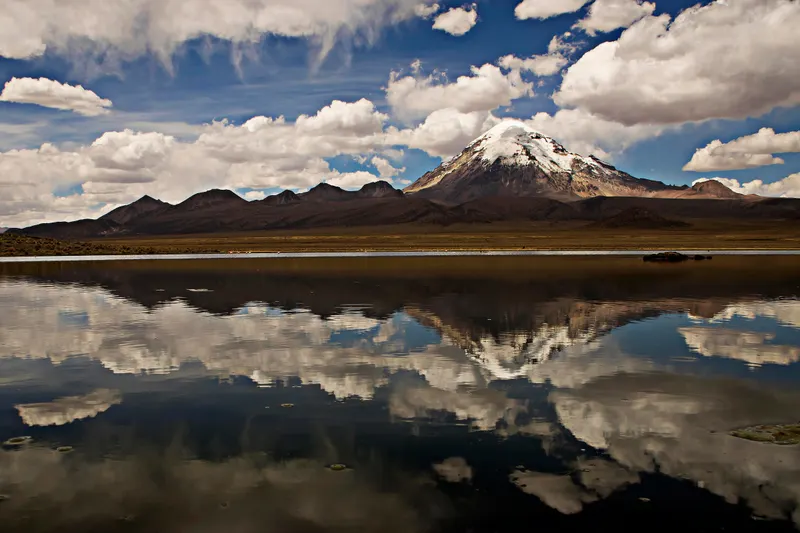
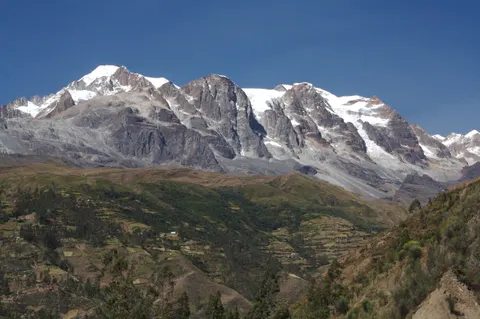
The best-reviewed 2-day tour on Viator (Andes Salt Expeditions, April to December only) sleeps in a salt hostel and leaves at 5 a.m. for sunrise. Day 2 visits Incahuasi and Tunupa volcano (5,321 m), where you walk from a parking area at about 4,200 m to a cave with mummies, with an optional 2-hour hike to a viewpoint over the salar and the crater.
The classic 3-day loop to Laguna Colorada
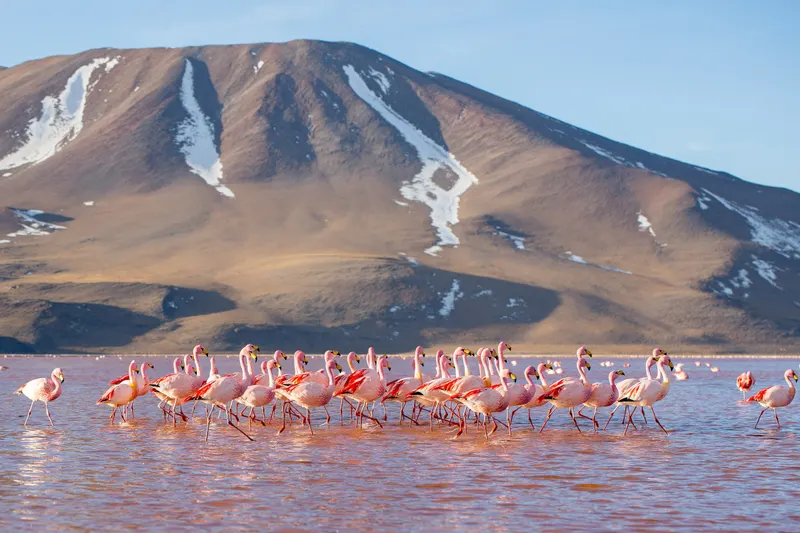
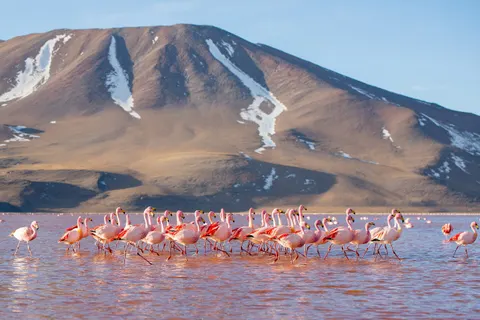
Day 1 repeats the 1-day route and ends in a salt hostel. Day 2 covers about 350 km past the Ollagüe volcano viewpoint, the Cañapa and Hedionda flamingo lagoons, the Siloli desert and the Árbol de Piedra, a wind-carved rock about 7 m tall. It ends at Laguna Colorada (4,278 m), whose shallow water turns red from sediments and algae. James’s flamingos are the most common species there.
The lagoon lies in the Eduardo Avaroa Andean Fauna Reserve, run by Bolivia’s protected-areas service SERNAP, which charges foreigners Bs 150 (about US$12.50) in cash. Night-2 lodges are basic, often dorms with shared bathrooms. A hot shower costs about Bs 15 when there is one, and some operators carry oxygen.
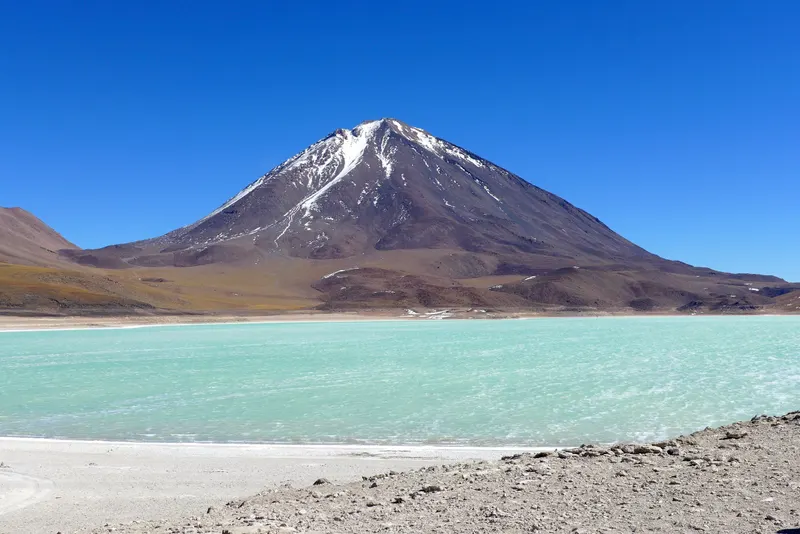
Day 3 starts before dawn at the Sol de Mañana geysers (around 4,900 m) and continues to the Polques hot springs (about Bs 6), the Dalí desert and Laguna Verde under Licancabur volcano (almost 5,900 m). From there you either get dropped at the Chilean border and reach San Pedro de Atacama around noon to 1 p.m., or ride back to Uyuni by about 5 p.m.


4-day tours from San Pedro de Atacama or Tupiza
Tours from Chile run the loop in reverse. The best-reviewed Atacama start on Viator, Howlanders’ 4-day round trip from about US$385, has only 55 reviews and no free cancellation. From Argentina, La Torre Tours runs a 4-day trip from Tupiza from about US$267.
| Tour | From | Best for | Check availability |
|---|---|---|---|
| Uyuni Salt Flat 1 Day Tour +Sunset in the Salt Water Region with Mirror EffectFree cancellation | $80 | Best 1-day tour | Check price |
| Uyuni Salt flat 2 day+sunset at Salt Water Region + Mirror effectFree cancellation | $240 | 2 days with sunrise and Tunupa | Check price |
| 3-Days Tour to the Uyuni Salt Flat and Colored Lagoons +Sunset+Mirror EffectFree cancellation | $290 | Most-reviewed 3-day loop | Check price |
| 3-Day Salt Tour of Uyuni with Sunset and Lagoons ColoradaFree cancellation | $309.90 | 3-day loop with fees listed upfront | Check price |
| Uyuni Salt Flats 4-days tour from Atacama> private room available | $385 | Starts in San Pedro de Atacama | Check price |
Prices in US$ per person from Viator as of Sep 30, 2026. They change; you see the final price before paying.
Our Uyuni tours comparison covers more operators, prices and red flags.
How to get to Uyuni from La Paz
| Option | Time | Price (Sep 2026) | Best for |
|---|---|---|---|
| BoA flight, La Paz (LPB) to Uyuni (UYU) | About 1 h | About US$100-215 one way | Short trips, rainy season, strike days |
| Tourist bus (Todo Turismo) | About 10 h overnight | US$44-49 | A first night bus |
| Regular night bus, normal to cama seat | 9-12 h | Bs 133-386 (US$11-32) | Tight budgets |
| Bus to Oruro, then train | A full day | Train about Bs 60-120 (US$5-10) | Rail fans |
| 1-day package by bus from La Paz | 2 nights on buses | From about US$344 | No spare nights at all |
The road runs about 550 km via Oruro, all of it above 3,500 m. BoA is the only airline we could confirm on the nonstop route, and timetables differ between sources, so check La Paz-Uyuni flights for your dates. Night buses leave the La Paz terminal between 8:30 and 10:30 p.m. and arrive around 6-8 a.m., in time for a 10:00 tour. Fares rose after diesel jumped from Bs 9.80 to Bs 17.95 a liter on 18 September 2026. If a strike or blockade is announced, fly, because blockades stop road travel first.
Bookable from La Paz
Book on Viator From $80La Paz Uyuni Premium BusFree cancellationCheck availability
 From $344Visit to Uyuni Salt Flats from La Paz Bolivia by BusFree cancellationCheck availability
Prices in US$ per person from Viator as of Sep 30, 2026. They change; you see the final price before paying.
Our La Paz to Uyuni guide compares bus companies, trains and packages, and the El Alto airport guide covers your flight’s departure point. From Peru, start with Cusco to La Paz.
How much does the Salar de Uyuni cost? (2026 prices)
Prices are per person at about Bs 12 per US dollar (Banco Central de Bolivia, 30 September 2026; the old Bs 6.96 peg ended in June). Park and island fees are cash only.
| Item | Bs | US$ |
|---|---|---|
| 1-day tour, well reviewed on Viator | From about 960 | From about 80 |
| 1-day tour, walk-in budget agency | From about 600-720 | From about 50-60 |
| 2-day tour (Viator) | From about 2,900 | From about 240 |
| 3-day tour, well reviewed on Viator | About 3,000-5,400 | About 250-450 |
| 3-day tour, walk-in agency | From about 1,800; premium 3,000-4,800 | From about 150; premium 250-400 |
| Isla Incahuasi | 30 | 2.50 |
| Eduardo Avaroa reserve (Bolivians pay Bs 30) | 150 | 12.50 |
| Polques hot springs | 6 | 0.50 |
| Sleeping bag rental | 50-120 | 4-10 |
| Hot shower at the lodge | 15 | 1.25 |
| Transfer to San Pedro de Atacama | 130-300 | 11-25 |
| Tips for driver and cook (custom) | 100-200 | 8-17 |
Walk-in prices come from Bolivian Life’s August 2026 survey. We found no official 2026 tariff for the reserve; Bs 150 rests on a 2021 SERNAP statement and September 2026 operator listings. For tips, Andean Trails suggests about US$5 a day for a guide and US$2-3 for a driver, while Bolivian Life suggests Bs 50-100 each for driver and cook.
Our estimate for 4 days from La Paz, per person, before meals in town:
| Budget | Comfortable | |
|---|---|---|
| Getting there and back | Cama bus both ways, US$49-64 | Fly down, cama bus back, US$125-247 |
| 3-day tour | Walk-in agency, from US$150 | Well reviewed on Viator, US$290-310 |
| Fees, sleeping bag, showers | About US$22 | About US$22 |
| Tips | About US$8 | About US$17 |
| Total | From about US$230 | About US$455-600 |
Bring cash
There are no ATMs or card machines past Uyuni. Withdraw in La Paz, since Uyuni’s ATMs can run empty, and carry about Bs 300 in small notes for fees, showers and toilets (Bs 1-3 a stop). More on money in Bolivia.
Altitude and cold on the Uyuni salt flats
| Place | Altitude |
|---|---|
| La Paz (center) | 3,640 m (11,940 ft) |
| Uyuni town | 3,656-3,700 m (12,000-12,140 ft), sources differ |
| Salar de Uyuni | About 3,660 m (12,000 ft) |
| Laguna Colorada | 4,278 m (14,035 ft) |
| Hito Cajón border | 4,480-4,549 m (14,700-14,920 ft) |
| Sol de Mañana geysers | About 4,900 m (16,080 ft) |
| San Pedro de Atacama, Chile | 2,407 m (7,900 ft) |
If you’ve spent a few days in La Paz, you arrive acclimatized to the salar’s height. The jump comes on night 2 of the 3-day loop, around 4,300 m and about 600 m above night 1, while the CDC advises raising your sleeping altitude by no more than 500 m a night above 3,000 m. Starting in San Pedro de Atacama (2,407 m) is harder, because those tours pass 4,400 m at the border and reach the geysers near 4,900 m on day 1. If you’re visiting both countries, run the loop from Uyuni and finish in Chile.
The CDC also advises no alcohol for the first 48 hours; ask a doctor before the trip about acetazolamide. Confusion, stumbling or breathlessness at rest are emergencies that call for going down, and the CDC doesn’t list coca tea as prevention. More in our La Paz altitude sickness guide.
Pack for nights around -10 °C (14 °F): down jacket, thermal layers, hat, gloves and a sleeping bag rated below freezing (or rent one), plus sunglasses, strong sunscreen, a headlamp and a swimsuit for Polques.
What we'd skip
- The 1-day bus package from La Paz if you can fly or have three days (two nights on buses for about 9 hours on the salt).
- Starting the lagoon loop in San Pedro de Atacama straight from the coast.
- 3-day tours far below these prices that won’t list their inclusions in writing.
Salar de Uyuni at night: sunset, stars and sunrise
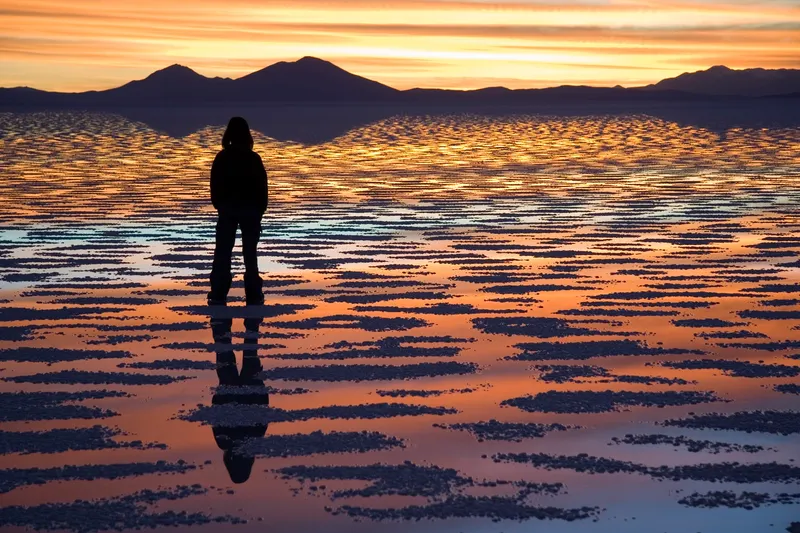
Nearly every 1-day tour ends with sunset on the salt. Andes Salt’s stargazing trip runs about five hours from 3 p.m., and in the wet months the stars reflect in the water. The company avoids full-moon nights, so pick dates near the new moon for the Milky Way. Sunrise needs a night nearby, on the 2-day tour or in a salt hotel. July lows in town average -10 °C (14 °F), and you’ll spend hours outside the 4x4.
Sunset and stargazing tours
Book on Viator From $455-Hour Uyuni Salt Flat Tour Stargazing and Sunset/Sunrise In GroupFree cancellationCheck availability
 From $95Salar de Uyuni Tour 1 day with SunsetFree cancellationCheck availability
Prices in US$ per person from Viator as of Sep 30, 2026. They change; you see the final price before paying.
Where to stay: salt hotels or Uyuni town
Salt hotels, built from blocks cut from the flat, cluster around Colchani, about 25 km from town. They put you beside the salt at sunrise, but transfers cost extra. Andes Salt charged US$30 per group to collect guests at Palacio de Sal, Luna Salada or Cristal Samaña in September 2026. Uyuni town has the tour offices (many on Avenida Ferroviaria), the bus companies and the airport, which makes it the practical base for most tours.
Hotel Palacio de Sal
Best for: The classic salt-hotel splurge on the edge of the salar
Built from salt blocks, Palacio de Sal calls itself the world's first salt hotel. The original stood out on the flat in the 1990s and was later rebuilt on the shore (sources differ on the dates). It has a spa, restaurant and bar, but it sits 25 km from town, so plan a transfer, and ask about room heating, because from May to September nights fall well below freezing.
- Built from salt blocks
- Spa, restaurant and bar
- 25 km from Uyuni, on the salar's shore
Luna Salada Hotel de Sal
Best for: Salt-flat views and a spa without leaving the hotel
A salt hotel near Colchani, at the entrance to the salar, with the Tunupa restaurant (breakfast included) and a spa whose steam room looks over the salt. Like every Colchani hotel it's a drive from Uyuni's tour offices and bus stops, so it suits travelers with a pre-booked tour or transfer.
- Spa with a steam room facing the salar
- Tunupa restaurant, breakfast included
- At the entrance to the Salar de Uyuni
Jardines de Uyuni
Best for: Warm rooms and a heated pool after a night bus or a cold tour
A town hotel that advertises well-heated rooms, a heated indoor pool and a sauna, which few places in Uyuni offer. It's 2.6 km from the airport and about 23 km from the salar, so you still need a tour to reach the salt. It shares a reservations line with Palacio de Sal.
- Heated indoor pool and sauna
- Heated rooms
- 2.6 km from Uyuni airport
Tonito Hotel
Best for: A heated, central base on the street of tour offices
On Avenida Ferroviaria, where many tour operators have their offices, Tonito has heating in all rooms, a buffet breakfast from 8:00 and Minuteman Pizza on site. The hotel's website says it takes cash only (US dollars or bolivianos), no credit cards, so withdraw in La Paz first.
- Heating in all rooms
- Buffet breakfast from 8:00
- Cash only: USD or bolivianos
Piedra Blanca Backpackers Hostel
Best for: Budget travelers joining a shared tour
One of Uyuni's most-reviewed hostels on Hostelworld, with dorms and private rooms about 800 m from the center. Private rooms were listed from roughly Bs 190 (about US$16) in September 2026. Bring warm layers for the night and ask about heating.
- Dorms and private rooms
- About 800 m from the center
- Private rooms from ~Bs 190 (Sep 2026)
Price band for a double room in the dry season. Confirm rates and dates on Expedia.
Our Uyuni salt hotels guide compares more options, or check Uyuni hotels on Expedia. For the night before your bus or flight, see where to stay in La Paz.
Crossing to San Pedro de Atacama (Chile)
Most 3-day tours offer a drop at Hito Cajón, a border pass at 4,480 m about 20 minutes from Laguna Verde. You get stamped out of Bolivia, switch to a minibus and clear Chile’s police, customs and agriculture service (SAG) at the Hito Cajón complex, where they have worked since 2017 (older sources still say San Pedro). Then it’s about 45 km and 2,000 m downhill to town.
The transfer costs US$11-25 or Bs 130 extra, depending on the operator. Declare any food and leave coca leaves in Bolivia, because SAG checks bags. Some operators list a Bolivian border tax “when applicable”, so keep small bolivianos. Snow cut off the pass in mid-August 2026 and stranded two Bolivian migration officers for five days, so leave a spare day before a flight out of Calama. Travelers starting in Chile should check the Bolivia visa rules for their passport.
Current conditions (September 2026)
Check before you go (September 2026)
In January 2026, blockades against a fuel decree stranded about 200 tourists in Uyuni, and the Air Force flew 135 of them out on 10 January (La Patria). From 1 May to 23 June, 53 days of blockades cut off La Paz and El Alto. In mid-August, snow stranded about 200 people on the Uyuni-Potosí road and BoA cancelled Uyuni flights on the 17th. Snow also closed the Eduardo Avaroa reserve on 18-19 September before it reopened on the 20th. A state of exception runs to about mid-December, and the diesel price jump is pushing up fares.
Fly rather than bus when strikes are called, keep a buffer day before international flights, book with free cancellation, and follow the US Embassy’s alerts. Our Bolivia safety guide covers crime, scams and protests. Current road and fuel conditions are on our Bolivia travel status page.
Choosing an Uyuni tour operator
The UK Foreign Office notes that Bolivia has no official minimum standards for tour operators, and Wikipedia counts 16 reported tour accidents on the salar with more than 30 deaths. Of Viator’s 315 Uyuni listings, 260 had fewer than 10 reviews in September 2026. Before you pay, ask for seatbelts in every seat, oxygen, a first-aid kit, a spare tire and written inclusions and cancellation terms, and don’t ride with a driver who has been drinking. Our Uyuni tours comparison lists the operators with a track record.
To fit Uyuni into a longer trip, see our Bolivia itinerary and things to do in Bolivia.
Frequently asked questions
Can you visit the Salar de Uyuni without a tour?
Technically yes, with your own 4x4, GPS, spare fuel and water, and we found no rule against it. But the flat has no landmarks, rainy-season water hides the surface, there are no ATMs past Uyuni, and Wikipedia counts 16 tour accidents on the salar with more than 30 deaths. Nearly every visitor goes with an agency; compare them on our Uyuni salt flats tours page.
How far is the Salar de Uyuni from La Paz?
Uyuni town is about 550 km (340 miles) south of La Paz by road, roughly 10 hours on an overnight bus via Oruro, and about 460 km in a straight line. BoA's nonstop flight takes about an hour. Tours then drive 23-25 km from town to Colchani, where most enter the salt. No passenger train runs from La Paz; the train to Uyuni leaves from Oruro.
How much is a flight from La Paz to Uyuni?
In August and September 2026 searches, one-way fares on BoA, the only airline we could confirm on the route, ran from about US$100 to US$215 (roughly Bs 1,200-2,600). February and March, the mirror months, cost the most. Timetables differ between sources, so compare La Paz-Uyuni flights for your dates and leave a spare day in case weather cancels the flight.
Is it safe for Americans to travel to Bolivia right now?
The US State Department rates Bolivia Level 2 (exercise increased caution), with only Chapare province at Level 4. US citizens have entered visa-free since 1 December 2025. For an Uyuni trip the bigger risk is disruption. Blockades stranded tourists in Uyuni in January 2026, and a state of exception runs to about mid-December. Read our Bolivia safety guide and the latest US Embassy alerts before you go.
How many days do you need for the Salar de Uyuni?
One full day covers the salt flat, Isla Incahuasi in the dry months, and sunset. Three days add the Eduardo Avaroa lagoons, flamingos and the Sol de Mañana geysers, and that's the length we'd pick. From La Paz, add a night bus or a flight each way, so plan on three to five days in total, or finish the tour in Chile and skip the trip back.
Can you see the mirror effect and Isla Incahuasi on the same trip?
Usually not from January to March, when tours often can't reach the island. April sometimes gives you both, with water lingering on parts of the salt after the route to Incahuasi reopens. Nobody can promise either, because both depend on that year's rain. If the reflection matters most, aim for February; if the cactus island matters most, go from May on.
Do you need cash for an Uyuni salt flats tour?
Yes. Fees are paid in bolivianos, in cash, and rarely included in the tour price: Bs 30 (about US$2.50) for Isla Incahuasi, Bs 150 (about US$12.50) for the Eduardo Avaroa reserve and about Bs 6 for the Polques hot springs, plus lodge showers and toilets. There are no ATMs past Uyuni and the ones in town can run empty, so withdraw in La Paz.
What is special about the Salar de Uyuni?
It's the largest salt flat on Earth, 10,582 km², and its surface varies by less than a meter in height across that whole area. That flatness lets a thin sheet of rain reflect the sky in the wet season and makes the dry crust perfect for perspective photos. Under the crust lie about 10 billion tonnes of salt and more than 20 million tonnes of lithium, though lithium estimates vary.
Keep planning