
Quick answer
The best things to do in Bolivia are the Salar de Uyuni and the Lípez lagoons, Lake Titicaca's Isla del Sol, La Paz and its cable cars, biking the Death Road, the ruins of Tiwanaku, colonial Sucre and Potosí, and the Madidi rainforest. Most trips start in La Paz, Bolivia, at about 3,640 m (11,940 ft). From there Uyuni is a 1-hour flight or a 10-12 hour night bus, and Copacabana is 3-4 hours by road.
On this page
- What to do in Bolivia, by type of trip
- Bolivia tourist attractions at a glance
- The top 5 things to do in Bolivia
- Bolivia’s historic landmarks and best cities to visit
- Nature and adventure in Bolivia
- Festivals worth timing a trip around
- Getting around Bolivia and what it costs in 2026
- Bolivia itineraries for 1, 2 or 3 weeks
- When to visit Bolivia, region by region
- Bolivia travel in 2026: what changed and what to check
- What to skip
- Frequently asked questions
Bolivia’s tourist attractions are far apart. The Salar de Uyuni is a night bus south of La Paz, the Madidi rainforest a flight north, and Santa Cruz about 16 hours east by bus. So this list of 15 things to do in Bolivia starts where most trips do, in La Paz, Bolivia, with the route, days, best months and cost for each.
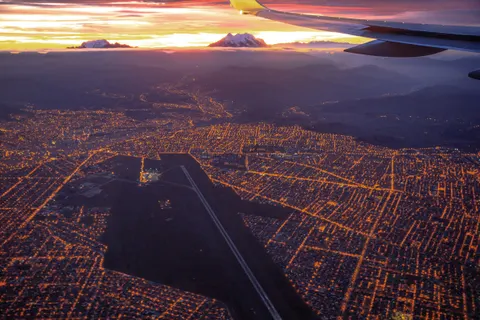
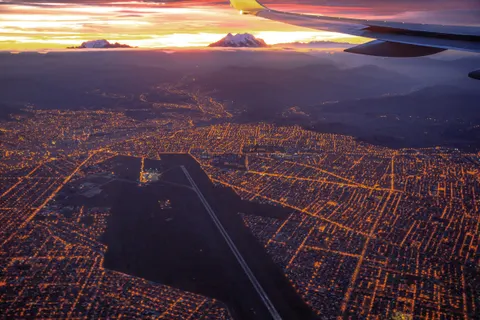
La Paz sits at about 3,640 m (11,940 ft) and its airport at 4,061 m (13,325 ft), so our routes climb in stages, following the CDC’s advice on sleeping altitude. US citizens have needed no visa since December 1, 2025, and the boliviano has floated since June 26, 2026; we converted prices at about Bs 12 per US$ on September 30, 2026. For the city itself, see our La Paz travel guide.
- Top sight
- Salar de Uyuni
- La Paz altitude
- about 3,640 m (11,940 ft)
- US visa
- Not needed since Dec 2025
- Exchange rate
- about Bs 12 per US$ (Sep 2026)
- Time needed
- 9 to 21 days
What to do in Bolivia, by type of trip
Which one is for you?
- If you have 7 to 10 days: La Paz, Lake Titicaca and a 3-day Uyuni tour.
- If you want adrenaline: the Death Road by bike, then Huayna Potosí once you’re acclimatized.
- If you like history: Tiwanaku, then Sucre and Potosí.
- If you want wildlife: Rurrenabaque and the Madidi rainforest.
- If you’re flying into Santa Cruz: Samaipata and the Jesuit missions first, then up to the Andes via Sucre.
Our top 10, in order, are Uyuni, the Lípez lagoons, Lake Titicaca, La Paz, the Death Road, Tiwanaku, Sucre, Potosí, Samaipata and the Chiquitos missions.
Bolivia tourist attractions at a glance
| Place | Altitude | From La Paz | Time to allow | Best months |
|---|---|---|---|---|
| Salar de Uyuni | about 3,656 m | 1 h flight or 10-12 h bus | 1-3 days | May-Nov; mirror mid-Jan to Feb |
| Lípez lagoons | 4,278-4,310 m | 3-day tour from Uyuni | 3 days with Uyuni | Apr-Nov |
| Lake Titicaca, Isla del Sol | 3,812 m | 3-4 h by bus | 1-2 days | May-Oct |
| La Paz and El Alto | 3,640 / 4,150 m | Base | 2-3 days | May-Oct |
| Death Road | 4,650 m down to 1,200 m | 1-1.5 h to the start | 1 day | May-Oct |
| Tiwanaku | about 3,850 m | 70 km, about 1.5 h | Half day | All year |
| Sucre | about 2,790 m | 1 h flight or 10-12 h bus | 2-3 days | All year |
| Potosí | about 4,070 m | 9-10 h bus; 3 h from Sucre | 1-2 days | May-Oct |
| Samaipata and Amboró | Amboró 300-3,338 m | Fly to Santa Cruz + 2.5-3 h | 2-3 days | Apr-Oct |
| Chiquitos missions | Lowlands | Fly to Santa Cruz + 3.5 h or more | 3-4 days | Dry season |
| Madidi, Rurrenabaque | Lowland rainforest | 45 min-1 h flight or 14-20 h bus | 3-5 days | May-Sep |
| Torotoro | 2,000-3,500 m | Fly to Cochabamba + 4-5 h | 2-3 days | Dry season |
| Sajama | 4,200-6,542 m | 4-5 h by road | 2 days | May-Oct |
| Huayna Potosí | 6,088 m summit | 1 h 45 min-3 h to base camp | 2-3 days | Dry season |
| Oruro Carnival | 3,735 m | 3.5-4 h by bus | 1-2 days | Feb 6-7, 2027 |
Fuel shortages and blockades can stretch these travel times. The most-reviewed Viator tours for the big four:
| Tour | From | Best for | Check availability |
|---|---|---|---|
| 3-Days Tour to the Uyuni Salt Flat and Colored Lagoons +Sunset+Mirror EffectFree cancellation | $290 | Uyuni and lagoons, 3 days | Check price |
| Full Day Guided Tour in Copacabana and Isla del SolFree cancellation | $59 | Titicaca in a day | Check price |
| Death Road Bolivia Biking TourFree cancellation | $156 | Death Road, most reviewed | Check price |
| Huayna Potosí (3 days)Free cancellation | $327 | Huayna Potosí climb | Check price |
Prices in US$ per person from Viator as of Sep 30, 2026. They change; you see the final price before paying.
The top 5 things to do in Bolivia
1. Walk on the Salar de Uyuni
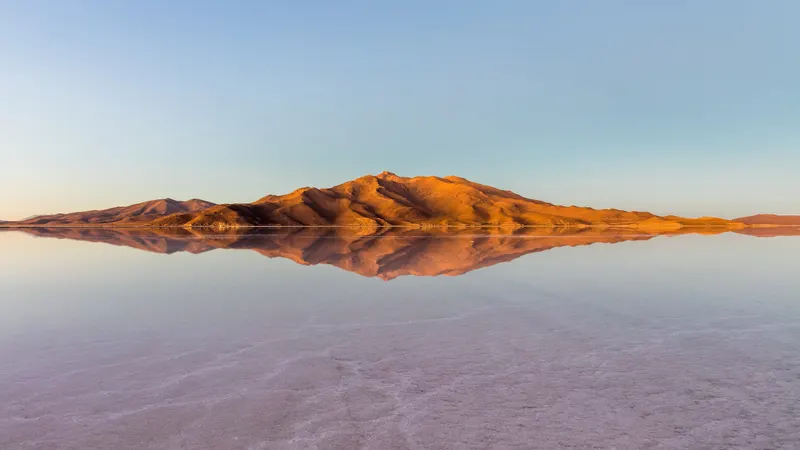
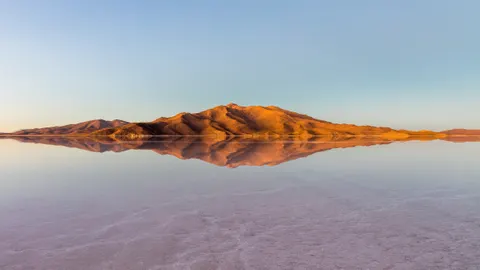
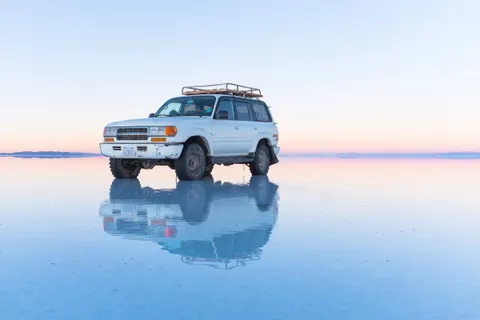
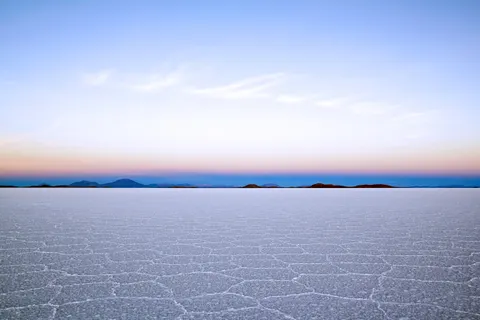
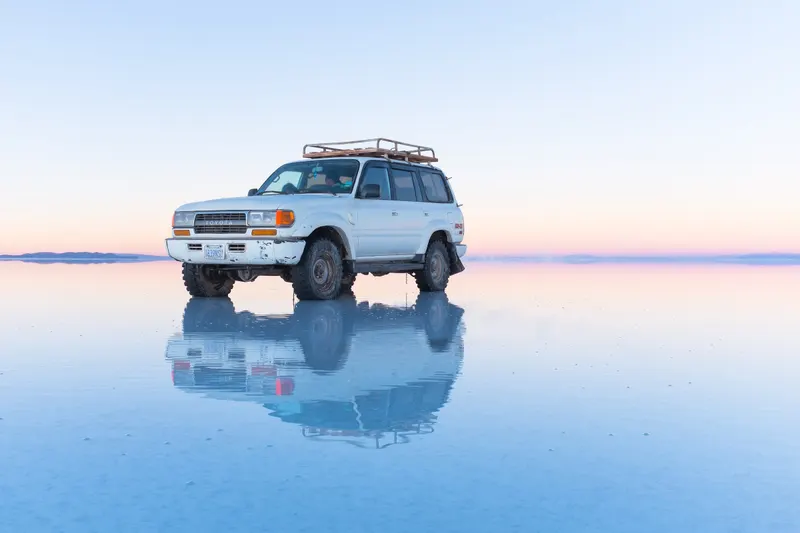
The Salar de Uyuni is the world’s largest salt flat, 10,582 km² (about 4,100 square miles) of white crust at about 3,656 m (12,000 ft). It dries into hexagonal plates from May to November. After rain, most often mid-January to February, water turns it into a mirror (never guaranteed) and usually cuts off Isla Incahuasi, the cactus island in the middle.
Tours start in Uyuni town. On Viator, one day costs from about $80 and three days through the Lípez lagoons from about $290, plus cash fees such as Bs 30 (about US$2.50) at Incahuasi. BoA flies from La Paz in about an hour (flights to Uyuni); night buses take 10-12 hours for Bs 133-386 (US$11-32; fares since September 28, 2026). More in our guides to La Paz-Uyuni transport, the salt flats, Uyuni tours and Uyuni hotels.
Verdict: Take the 3-day loop if you have the time; the lagoons are the best part.
Well-reviewed Uyuni tours
Book on Viator From $80Uyuni Salt Flat 1 Day Tour +Sunset in the Salt Water Region with Mirror EffectFree cancellationCheck availability
 From $309.903-Day Salt Tour of Uyuni with Sunset and Lagoons ColoradaFree cancellationCheck availability
 From $240Uyuni Salt flat 2 day+sunset at Salt Water Region + Mirror effectFree cancellationCheck availability
Prices in US$ per person from Viator as of Sep 30, 2026. They change; you see the final price before paying.
2. Cross the Lípez lagoons to Laguna Verde
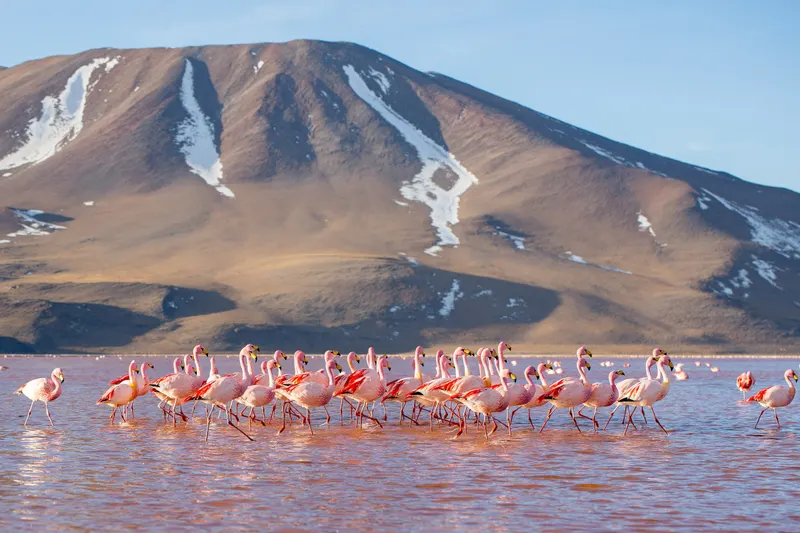
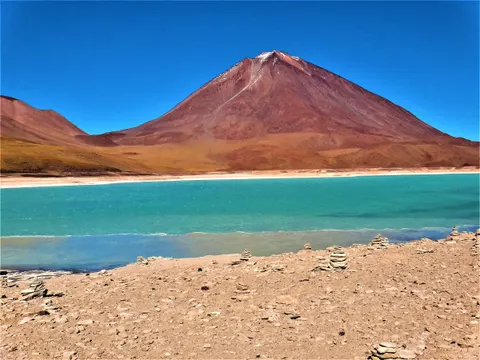
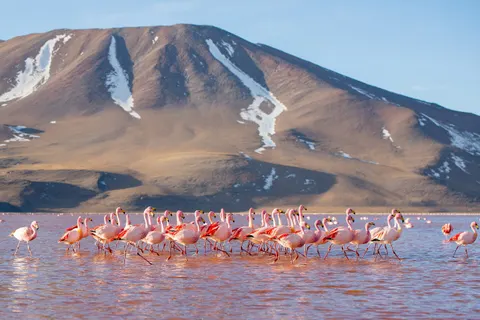
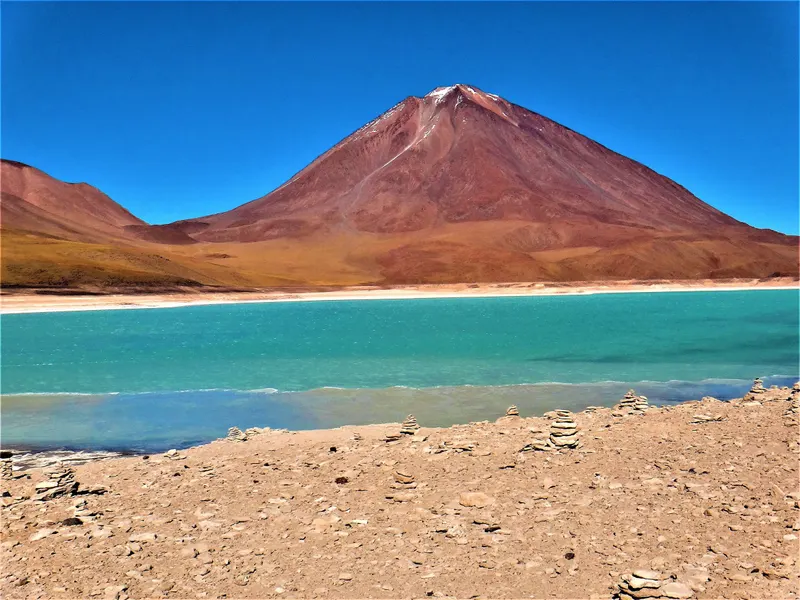
South of the salt flat, Laguna Colorada (4,278 m) is red from sediment and algae and draws three species of flamingo. Laguna Verde (4,310 m) lies below Licancabur volcano on the Chilean border and gets its green from arsenic and other minerals. The Sol de Mañana geysers steam at about 4,900 m (16,000 ft).
Only the 3-day loop from Uyuni gets here. On Andes Salt Expeditions’ tour, day two covers about 350 km in 9 hours and ends at a basic hostel near Laguna Colorada (about 4,250 m) with shared rooms and an oxygen tank on hand. The Eduardo Avaroa reserve, which protects them, charges foreigners Bs 150 (about US$12.50) in cash; snow closed it for two days in September 2026. Spend two nights in La Paz or Uyuni first; above 3,000 m, the CDC advises raising your sleeping altitude by no more than 500 m a night.
Verdict: The most beautiful place in Bolivia, in our view, and worth the cold night at 4,250 m.


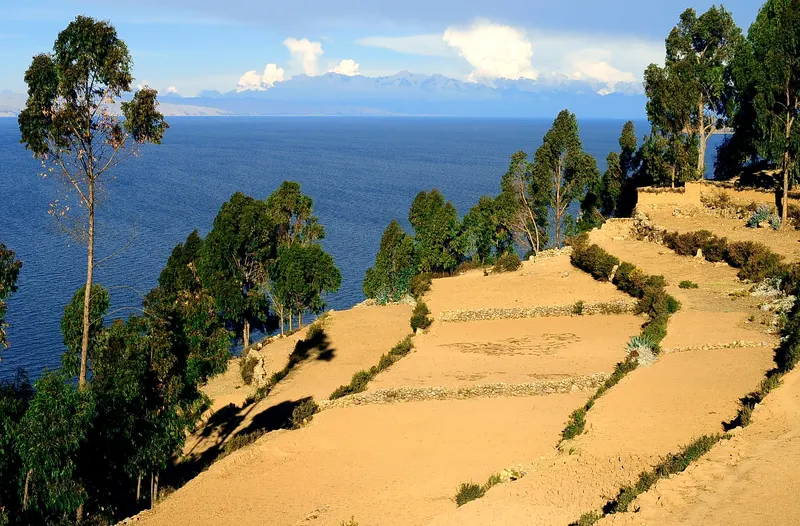
3. Sail Lake Titicaca to Isla del Sol
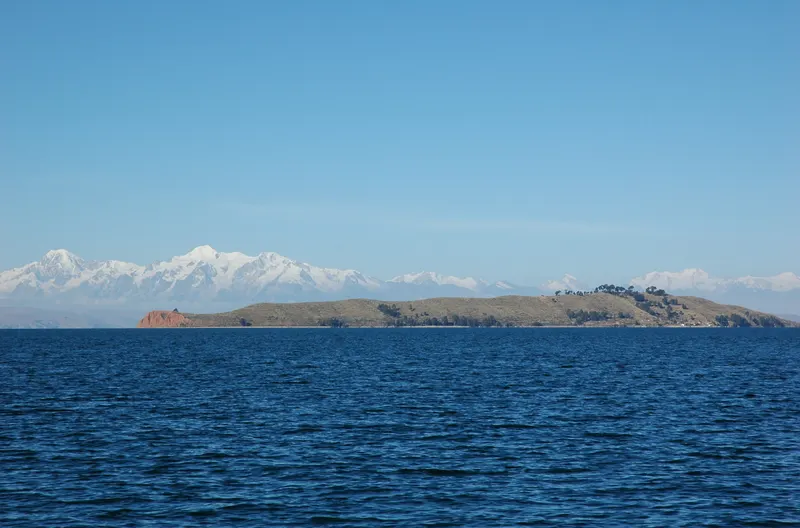
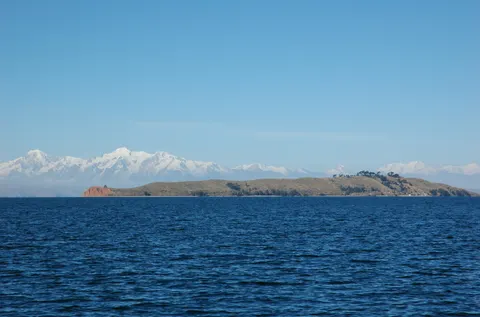
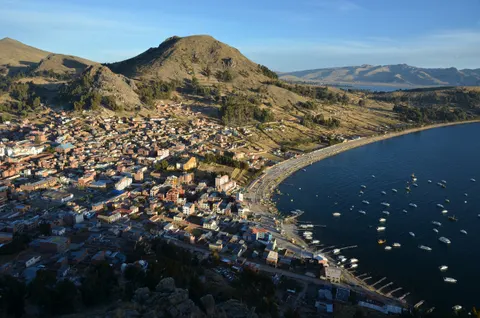
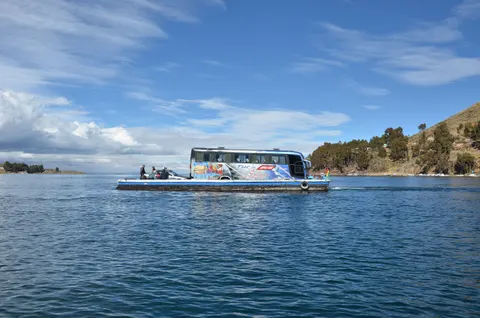
Lake Titicaca (3,812 m, 12,500 ft) is the largest lake in South America, and about 44% of it lies in Bolivia. The Bolivian base is Copacabana (3,841 m), 3-4 hours by bus from La Paz including the crossing at the Tiquina strait. Its basilica holds the Virgin of Copacabana, enthroned in 1583 and patroness of Bolivia, and Cerro Calvario (4,018 m) is a 30- to 45-minute climb for sunset.
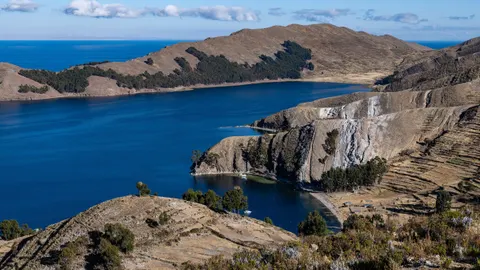
Boats take about 1.5 hours to Isla del Sol, where the Incas believed the sun god was born. It has more than 80 ruins, about 800 families and no cars. Each community checkpoint charges Bs 10-20 (about US$1-1.70) in cash, and the north end has been closed on and off, so ask in Copacabana the day before. Check boats for life jackets. Our Lake Titicaca, Copacabana, Isla del Sol and Cusco to La Paz guides cover the rest; compare hotels in Copacabana.
Verdict: Sleep on the island. The popular day tour lasts 16 hours and gives you about 1 hour 40 minutes there, at the south end only.
Titicaca tours from La Paz or Puno
Book on Viator From $692 Day Trip From La Paz: Copacabana & Isla del Sol (Night in Isla del Sol)Free cancellationCheck availability
 From $130Copacabana and Isla del Sol Tour from Puno (Whole Day)Free cancellationCheck availability
Prices in US$ per person from Viator as of Sep 30, 2026. They change; you see the final price before paying.
4. Ride La Paz’s cable cars and see El Alto
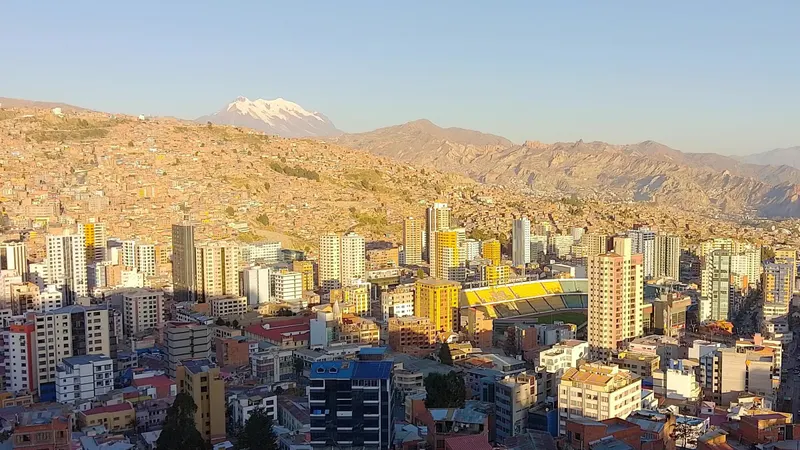
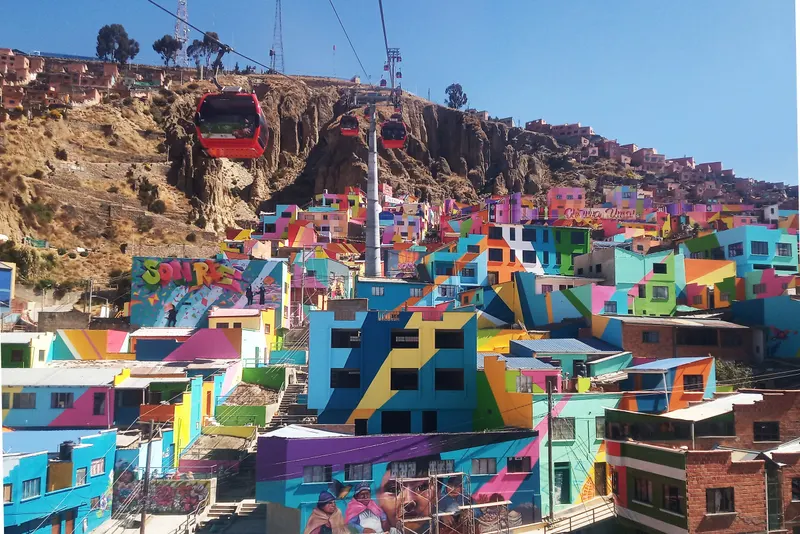
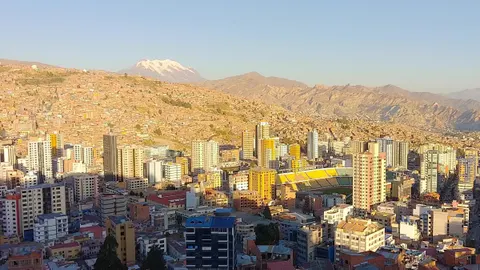
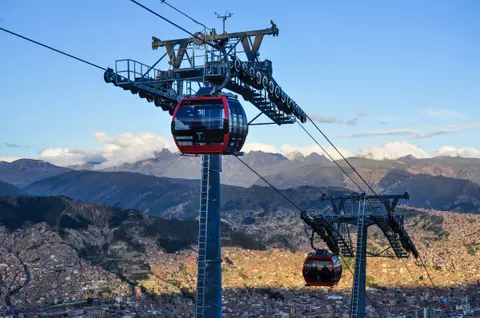
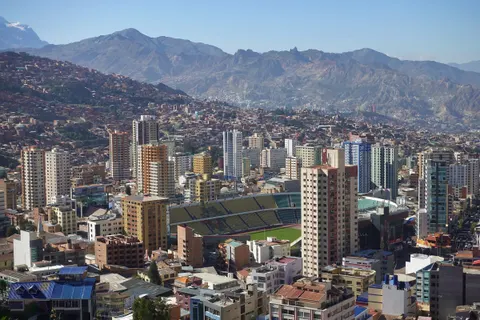
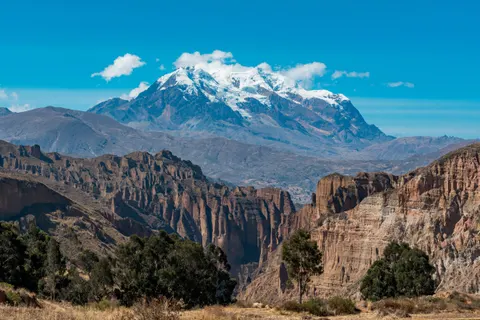
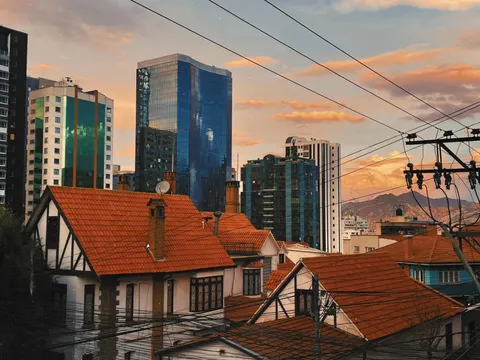
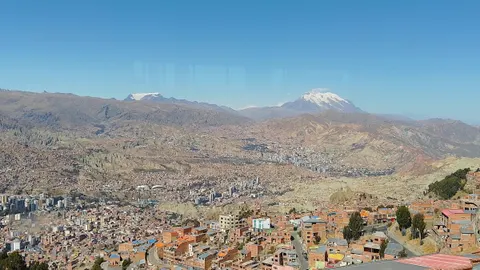
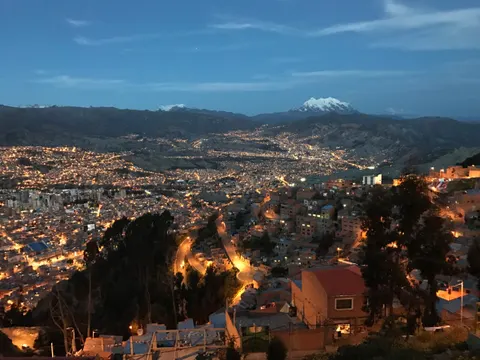
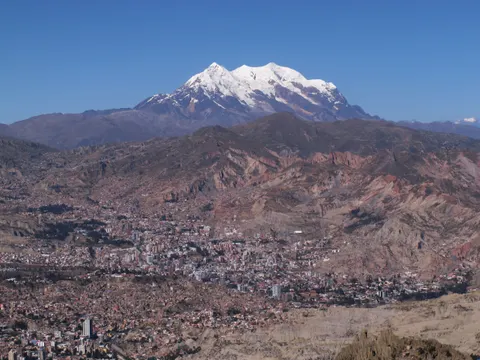
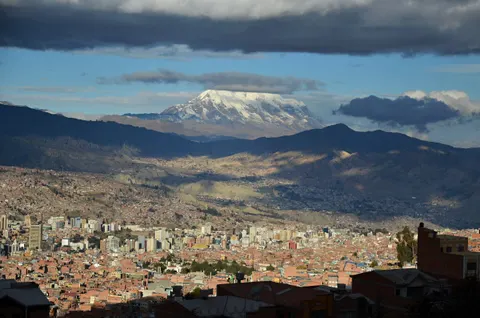
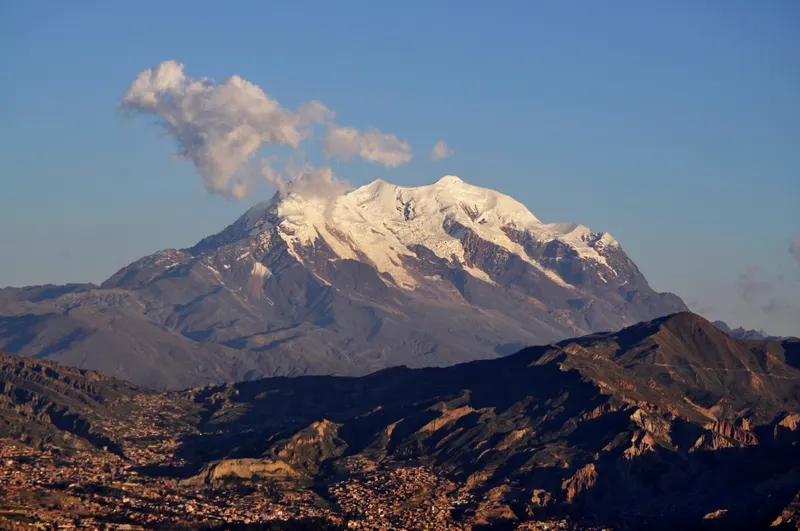
La Paz, the world’s highest seat of government, fills a canyon from the rim of El Alto, about 4,150 m, down to 3,640 m in the center, under Illimani (6,438 m). Mi Teleférico’s 10 cable-car lines cost Bs 3 (about US$0.25) plus Bs 2 per transfer, and the Red Line climbs to El Alto in 11 minutes.
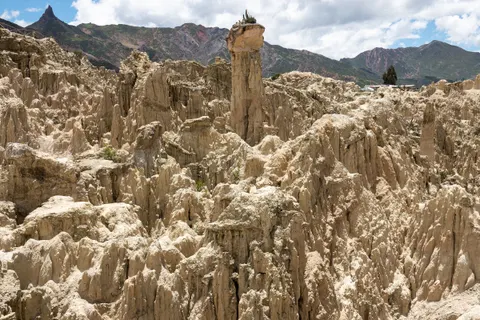
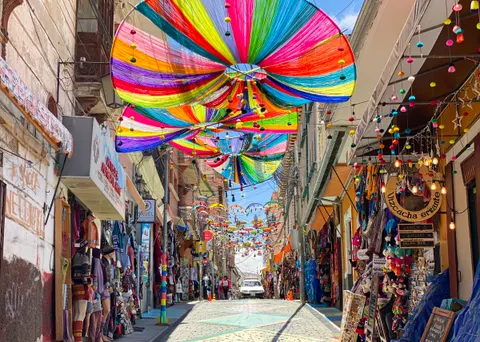
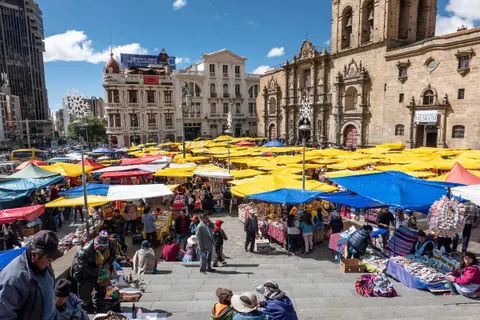
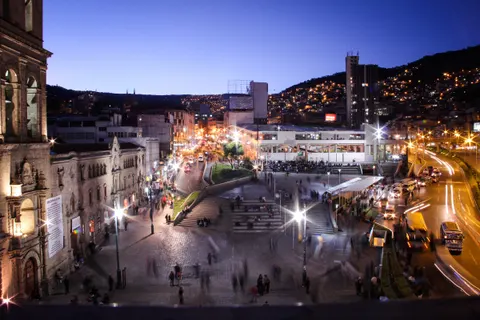
In and around the city are Plaza Murillo, the Witches’ Market, sunset at the Killi Killi viewpoint, the clay spires of Valle de la Luna (Bs 15, about US$1.25) and the rock needles of the Valle de las Ánimas. On Sundays, cholitas wrestling fills the Multifuncional in El Alto (tickets about Bs 50-100, US$4-8). Take two slow days first; the CDC advises no alcohol for 48 hours (altitude sickness guide). Plan with 23 things to do in La Paz and where to stay.
Verdict: Give it three days, which double as acclimatization.
5. Bike the Death Road to the Yungas
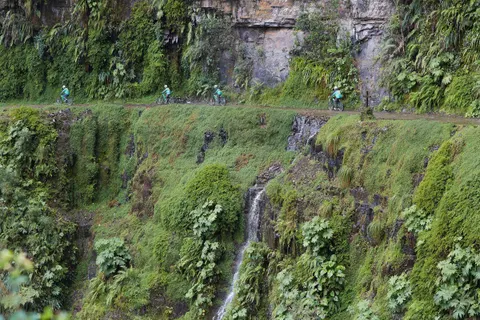
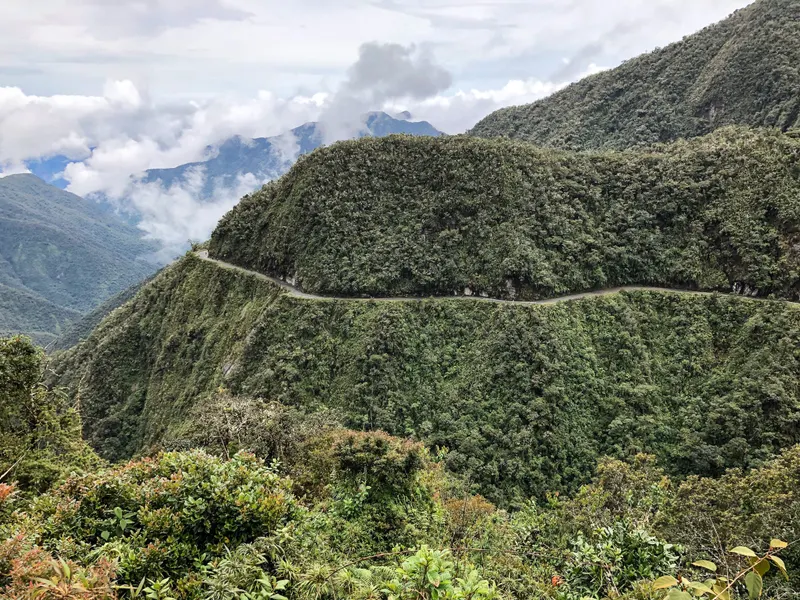
The North Yungas Road drops about 64 km (40 miles) from La Cumbre, around 4,650 m, to Yolosa at about 1,200 m. Since a bypass opened in 2006, the old road has carried mostly bikes. Well-reviewed tours from La Paz cost about $90 to $156, plus a municipal fee of Bs 50 (about US$4) per rider that is usually extra.
Bolivia sets no official standards for adventure operators (UK Foreign Office), so check the brakes, ask whether the guide carries a first-aid kit, and confirm your insurance covers downhill biking. A night in Coroico, 7 km uphill from Yolosa, beats the van straight back. A race uses the road October 1-4, 2026, so ask your operator whether your date is affected. Our Death Road guide compares operators.
Verdict: Ride it after two nights in La Paz, with an operator that has hundreds of reviews.
Two more top-rated Death Road operators
Book on Viator From $90The World's Most Dangerous Road - Barracuda Biking's Death Road RidingFree cancellationCheck availability
 From $145Death Road, Bolivia: Mountain Bike Tour on the World's Most Dangerous RoadFree cancellationCheck availability
Prices in US$ per person from Viator as of Sep 30, 2026. They change; you see the final price before paying.
Bolivia’s historic landmarks and best cities to visit
Five of Bolivia’s seven UNESCO World Heritage sites follow. The others are Noel Kempff Mercado National Park, on the Brazilian border, and the Qhapaq Ñan, the Inca road network.
6. Tiwanaku, older than the Incas
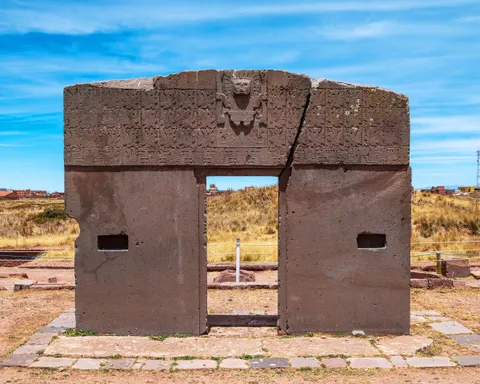
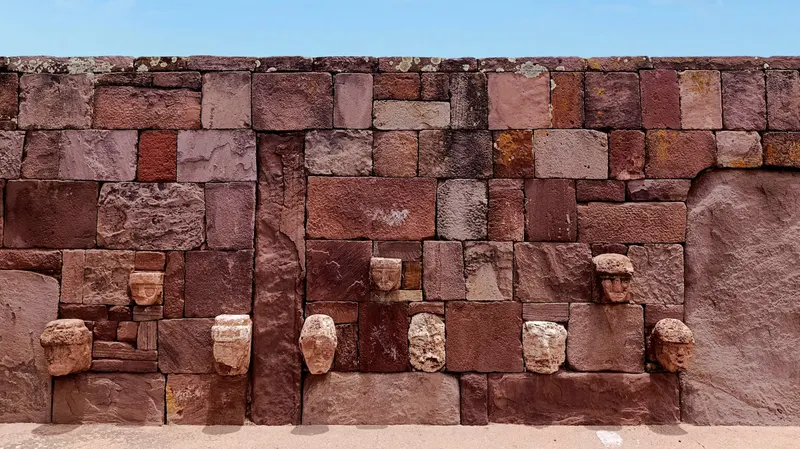
Between about AD 400 and 900, Tiwanaku grew from a small settlement into a planned city, according to UNESCO, which listed it in 2000. You walk past the Akapana pyramid (originally seven platforms and more than 18 m high), the Kalasasaya, the carved stone heads of the semi-subterranean temple and the cut blocks of Puma Punku, at about 3,850 m (the site itself says 3,885 m).
It’s 70 km (43 miles) from La Paz, about 1.5 hours by minibus from the Cementerio area. Entry costs Bs 100 (about US$8), cash only, 09:00-16:00 daily. Viator’s Tiwanaku inventory is weak. The three cheapest day trips with 10 or more reviews rate 3.3 to 3.9 stars, and the most-reviewed listing at 4.5 stars or better is a private Tiwanaku and Titicaca day trip from about $200. Details in our Tiwanaku and Puma Punku guide.
Verdict: A half day for your second or third day at altitude.
7. Sucre, the constitutional capital
Sucre, founded in 1538 and renamed in 1839 for the independence leader Antonio José de Sucre, is the constitutional capital, and its center has been on the UNESCO list since 1991. UNESCO calls the Casa de la Libertad (1621), where the events leading to independence took place, the country’s most important historic monument. At about 2,790 m (9,150 ft), Sucre sits 850 m lower than La Paz.
At Cal Orck’o, 4.4 km from town, the Parque Cretácico leads walks down to a near-vertical wall of dinosaur tracks at 12:00 and 13:00; a 1998-2015 survey counted 12,092 tracks, other sources “more than 5,000”. Its last published fee was Bs 30 (about US$2.50) plus Bs 5 for a camera (May 2025).
Fly in about an hour (flights to Sucre) or ride 10-12 hours overnight for Bs 127-353 (US$11-29, September 2026 fares). The cooking class at La Boca del Sapo has 4.98 stars from 126 reviews, and a walking tour costs about $13. Compare hotels in Sucre.
Verdict: Two or three days. At 2,790 m, it’s the gentlest first stop if you fly into Santa Cruz.
8. Potosí and the Cerro Rico silver mines
Silver was found in the Cerro Rico in 1545, and UNESCO describes Potosí as “reputed to be the world’s largest industrial complex in the 16th century.” Indigenous workers were forced into the mines under the mita labor draft; the royal mint, the Casa Nacional de Moneda, is now a museum. Listed in 1987, the city has been on UNESCO’s in-Danger list since 2014 because uncontrolled mining is degrading the mountain. It sits at about 4,070 m (13,350 ft); sources range from 4,000 to 4,090 m.
Cooperatives still mine the Cerro Rico, and silicosis is common among the miners. Tours spend 2 to 3 hours walking and crawling through working tunnels, after a stop at the miners’ market for gifts of coca leaves and drinks; a Cerro Rico mine tour costs from about $29. We’d skip it if you’re claustrophobic or have heart or lung problems. Buses take 9-10 hours from La Paz (Bs 94-253, US$8-21, September 2026 fares), 3 from Sucre and 3-4 from Uyuni, a road snow blocked in August 2026.
Verdict: One night, between Uyuni and Sucre.
9. Samaipata’s carved rock and Amboró National Park
El Fuerte de Samaipata is a red sandstone rock about 220 m long and 60 m wide, carved with animals, niches and channels. People used it from around AD 300; the Incas later made it a provincial center, and UNESCO listed it in 1998. Amboró National Park covers 4,425 km² from 300 to 3,338 m, with more than 900 bird species and spectacled bears.
Fly to Viru Viru (VVI) in Santa Cruz, Bolivia’s main international airport (flights to Santa Cruz), then ride 120 km, 2.5 to 3 hours, to Samaipata. The CDC recommends yellow fever vaccination here and flagged a chikungunya outbreak in February 2026. Viator’s best option is a private Amboró overnight from about $550 (no free cancellation); we found no well-reviewed El Fuerte tour and no confirmed 2026 entry fee. Compare hotels in Santa Cruz.
10. The Jesuit Missions of Chiquitos
Jesuits founded mission towns in the Chiquitos lowlands between 1691 and 1760. Six survive (San Javier, Concepción, Santa Ana, San Miguel, San Rafael and San José), their churches built on wooden columns except San José’s, which is stone, and UNESCO listed them in 1990. The Misiones de Chiquitos festival of Renaissance and Baroque music runs in even years; the 15th edition was held in 2026, so the next is expected in 2028.
The towns form a loop east and northeast of Santa Cruz on roads about half paved; San José de Chiquitos is 271 km away, about 3.5 hours by bus. Viator lists no mission tours, so use buses or a rental car. Fire smoke can cover the region in the dry season (May to October per the UK, July to October per Canada).
Verdict: Save it for a second trip unless you fly into Santa Cruz.
Nature and adventure in Bolivia
11. Madidi National Park and the pampas from Rurrenabaque
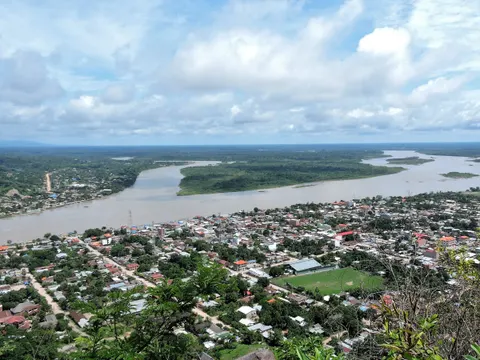
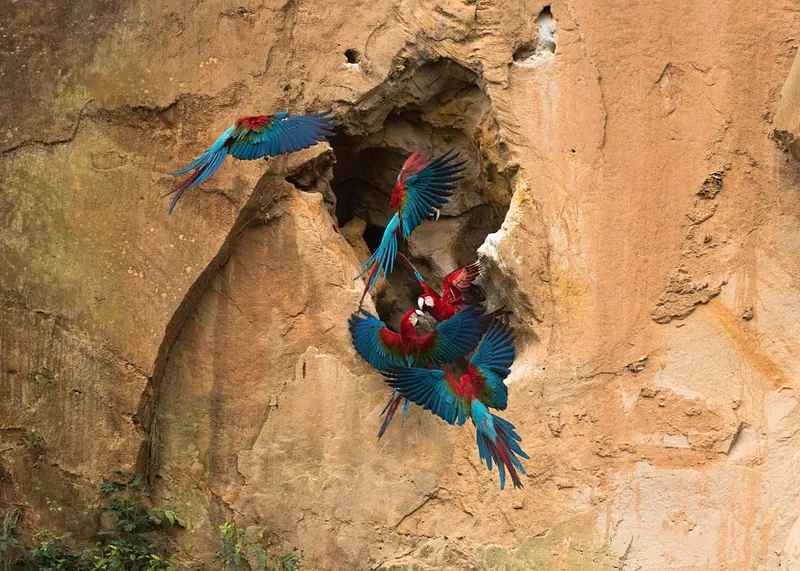
Madidi, created in 1995, covers 18,958 km²; in 2018 the Wildlife Conservation Society called it the world’s most biologically diverse national park. From Rurrenabaque, in Beni department, jungle tours go by boat up the Beni and Tuichi rivers for forest walks and community lodges such as Chalalán. Pampas tours head to the Yacuma wetlands from Santa Rosa to look for caimans, pink river dolphins and birds.
Flights take 45 minutes to an hour (flights to Rurrenabaque), though low cloud sometimes diverts them to Reyes, 32 km away; the bus takes 14 to 20 hours or more. Use radio taxis; the UK Foreign Office reports taxi robberies in Rurrenabaque. Viator’s inventory is thin, six products with 16 reviews between them. The 5-day Madidi and pampas tour runs from about $680 and the 4-day version from about $560, both without free cancellation, park fees extra. See our Rurrenabaque and Madidi guide and hotels in Rurrenabaque.
Verdict: Fly, keep a spare day for cloud, and go from May to September.
12. Torotoro’s canyons, caves and dinosaur tracks
Torotoro National Park, created in 1989, covers 165 km² of northern Potosí department between 2,000 and 3,500 m, with canyons up to 300 m deep, the Umajalanta cave and thousands of dinosaur footprints (sources say more than 2,500 or more than 3,500). The ticket, last published at Bs 100 (about US$8), lasts four days, and guides are required at the main sites.
Fly to Cochabamba in about 35 minutes, then ride 140 km, 4 to 5 hours, by minibus. Cochabamba’s Cristo de la Concordia stands about 34 m tall, 40 m with its pedestal, taller than Rio’s 30 m statue. The only reviewed Viator option is a private 2-day Torotoro package from about $549.
13. Sajama, Bolivia’s highest peak and oldest park
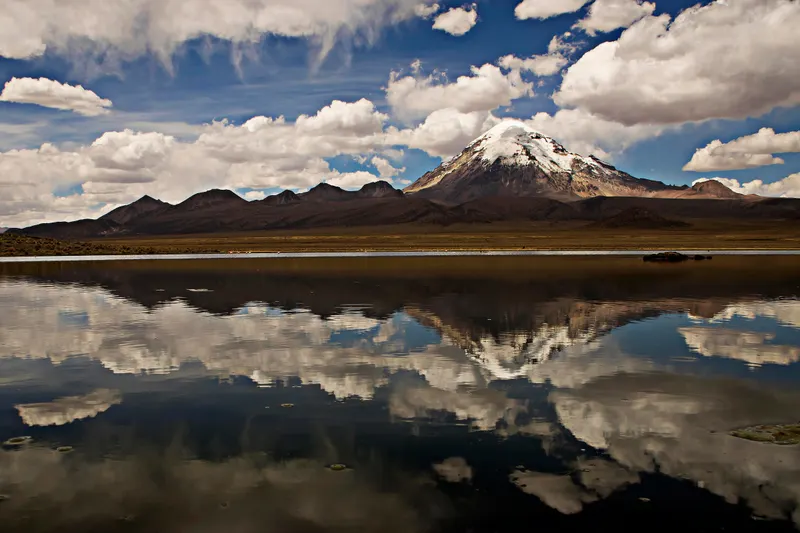
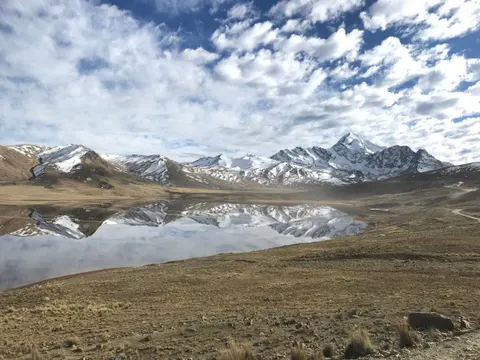
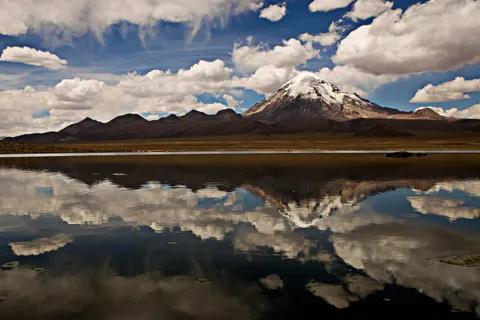
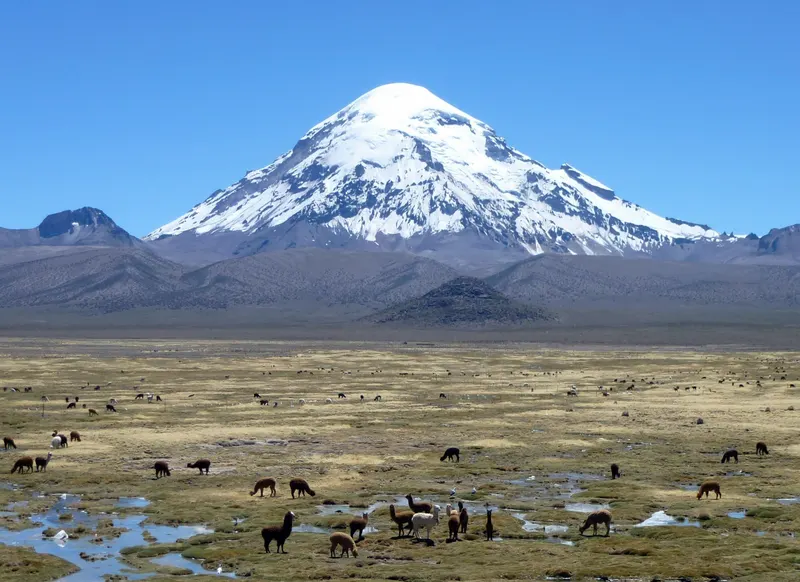
Nevado Sajama (6,542 m, 21,463 ft) is Bolivia’s highest mountain, and the park around it, protected since 1939 for its queñua trees, is the country’s oldest. A geyser field and hot pools lie about 9 km from Sajama village. It’s 4 to 5 hours from La Paz by bus to Patacamaya and a van toward Tambo Quemado; the last published ticket price is Bs 100 (about US$8). Every night here is above 4,200 m, so come after Uyuni or a week around La Paz. Viator’s only reviewed option is a private 3-day trip with four reviews, from about $300.
14. Climb Huayna Potosí (6,088 m)
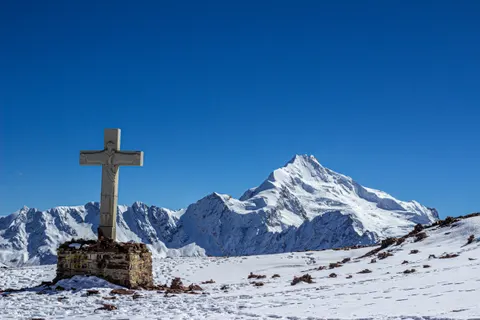
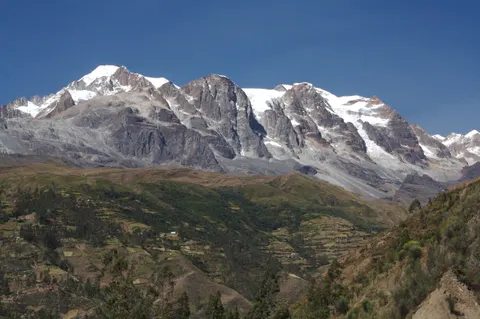
Huayna Potosí (19,974 ft; some Bolivian sources say 6,094 m) rises about 25 km north of La Paz, with base camp at Paso Zongo, about 4,700 m, 1 hour 45 minutes to 3 hours away. Agencies take people who have never worn crampons and teach the basics on the first afternoon of a 3-day program, with one guide for every two climbers. The mountain fee is Bs 50, though one operator quotes Bs 20 (September 2026). We’d book it only after a week at altitude, including an easy high day on Chacaltaya, above 5,300 m with a short walk. Jiwaki’s 3-day climb starts at about $210, and our Huayna Potosí guide compares programs.
Festivals worth timing a trip around
15. The Oruro Carnival
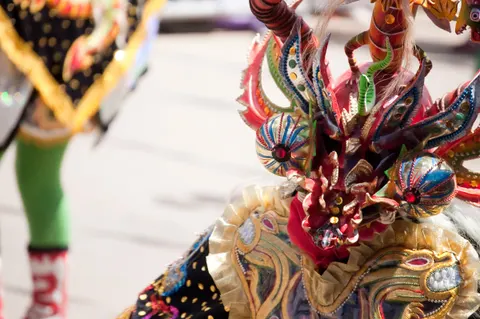
UNESCO proclaimed the Oruro Carnival a Masterpiece of the Oral and Intangible Heritage of Humanity in 2001. It honors the Virgen del Socavón, with 48 or more groups performing 18 dances, led by the Diablada, the devil dance. In 2027 the main parade is on Saturday, February 6, and the Corso on Sunday, February 7.
Oruro (3,735 m) is 3.5 to 4 hours from La Paz by bus (Bs 38-119, US$3-10), and trains to Uyuni leave from there four days a week. Book bus and bed early; Viator lists no Carnival product.
La Paz’s own UNESCO-listed festivals are the Alasita fair of miniatures, which opens every January 24, and the Gran Poder dance parade, whose 2027 date had not been announced by late September.
Getting around Bolivia and what it costs in 2026
Fly the long legs. Flights from La Paz reach Uyuni, Sucre, Cochabamba, Rurrenabaque and Santa Cruz, most in an hour or less, against 6 to 20 hours by bus; see flights to La Paz and our El Alto airport guide. Bus fares from La Paz since September 28, 2026 follow what the broadcaster Red Uno called a temporary schedule; cama is the most reclined seat class.
| From La Paz to | Normal | Cama |
|---|---|---|
| Oruro | Bs 38-55 (US$3-5) | Bs 109-119 (US$9-10) |
| Potosí | Bs 94-123 (US$8-10) | Bs 207-253 (US$17-21) |
| Sucre | Bs 127-176 (US$11-15) | Bs 256-353 (US$21-29) |
| Uyuni | Bs 133-186 (US$11-15.50) | Bs 295-386 (US$25-32) |
| Santa Cruz | Bs 158-214 (US$13-18) | Bs 325-431 (US$27-36) |
| Villazón (Argentine border) | Bs 217-259 (US$18-22) | Bs 384-491 (US$32-41) |
The Santa Cruz bus takes about 16 hours through the Chapare, so fly that leg. Diesel jumped from Bs 9.80 to Bs 17.95 a liter when the government freed its price on September 18, 2026, so expect fares and tour prices to rise; a ticket marked “condicionado” doesn’t guarantee arrival.
Park and site fees are paid in cash, and ATMs in small towns can run empty, so withdraw in La Paz, Sucre or Santa Cruz. See our Bolivian currency guide.
| Entry fee for foreigners (cash) | Bs | About US$ |
|---|---|---|
| Valle de la Luna | 15 | 1.25 |
| Isla del Sol, per checkpoint | 10-20 | 1-1.70 |
| Isla Incahuasi (Uyuni) | 30 | 2.50 |
| Death Road municipal fee | 50 | 4 |
| Huayna Potosí mountain fee | 50 (one operator says 20) | 4 |
| Tiwanaku | 100 | 8 |
| Eduardo Avaroa reserve (Lípez) | 150 | 12.50 |
| Parque Cretácico, Sucre* | 30 (+5 camera) | 2.50 |
| Torotoro* | 100 | 8 |
| Sajama* | 100 | 8 |
Fees. *Last published figure; check locally.
Bolivia itineraries for 1, 2 or 3 weeks
Our suggested routes:
- 9 days: La Paz (2 nights), Copacabana and Isla del Sol (2 nights), back to La Paz, then fly or bus to Uyuni for the 3-day salt flat and lagoons tour, ending in Uyuni or San Pedro de Atacama, Chile.
- 2 weeks: add the Death Road and Tiwanaku in La Paz, and after Uyuni go to Potosí (1 night) and Sucre (2-3 nights), then fly back to La Paz.
- 3 weeks: add Madidi from Rurrenabaque (4-5 days), or fly from Sucre to Santa Cruz for Samaipata and the missions.
From Peru, the lake route crosses at Copacabana. From Argentina, the Villazón border leads to Tupiza (about 2,850 m), where 4-day tours to Uyuni start, from about $267 plus fees.
If you fly into Santa Cruz, travel via Sucre (2,790 m), Potosí and Uyuni to La Paz to climb in steps. Sucre to Potosí is still a jump of about 1,300 m, so spend two nights in Sucre first (our reading of the CDC’s 500 m-a-night guidance). Our day-by-day Bolivia itinerary has the full routes.
When to visit Bolivia, region by region
May to October
Dry seasonClear skies and freezing nights on the Altiplano. Average July lows are -4.1 °C (25 °F) at El Alto airport and -9.7 °C (about 15 °F) in Uyuni. Best for Titicaca, the Death Road, climbing and the Lípez loop.
Verdict: The best window for a first trip.
November to March
Rainy seasonFloods and landslides can block roads (UK and Canadian advice). The Uyuni mirror usually appears from mid-January to February, and the Oruro Carnival falls in February.
Verdict: Go for the mirror or the Carnival, with buffer days.
May to September
Amazon dry seasonMadidi’s dry months; October to March is its wet season.
Verdict: The time for Rurrenabaque.
See the best time to visit Bolivia for each month.
Bolivia travel in 2026: what changed and what to check
Current conditions (September 2026)
A state of exception has been in force since June 20, 2026 (the UK Foreign Office says June 21), and in mid-September lawmakers extended it to about the second week of December. The decree allows curfews under a state of siege; Canada reported none as of September 27. Road blockades cut off La Paz, El Alto and Cochabamba for about 53 days in May and June. Unions threatened new fuel protests in September; a 24-hour transport strike on September 28 was total in Sucre and Santa Cruz while intercity buses kept running. Don’t try to cross a roadblock, and keep one or two spare days before any international flight.
US citizens have been visa-free since December 1, 2025, for up to 90 days in a one-year period, with a passport valid six months beyond arrival (US Embassy notice); other nationalities should check our Bolivia visa guide. The US State Department rates Bolivia Level 2, Exercise Increased Caution, with Chapare Province at Level 4. Fake taxis have been used for express kidnappings in La Paz (UK Foreign Office), so use radio taxis or apps; see is La Paz safe.
The CDC rates flying straight to La Paz as high risk for altitude sickness and recommends yellow fever vaccination for the lowlands and Yungas. Sources disagree on whether you need the certificate to enter, so carry it if you’re vaccinated. Bring all your medicines, since the UK and Canada report shortages.
What to skip
Skip these
- San Pedro prison “tours” in La Paz (illegal, says the UK Foreign Office).
- The bus from La Paz or Cochabamba to Santa Cruz through the Chapare, a US Level 4 area.
- A same-day Uyuni trip by bus from La Paz, which means two nights on buses for one day on the salt.
- The cheapest Death Road operator, unless you’ve checked its bikes and kit.
- Street money changers, which Spain’s foreign ministry advises against.
- Taking coca leaves home. Canada bans importing them, as do many other countries.
Frequently asked questions
Is Bolivia worth visiting?
Yes, if you can handle the altitude and the odd road closure. Bolivia counted 1,145,165 foreign visitors in 2025, up 15.5% on the year before, according to figures published by the state news agency ABI. The Salar de Uyuni, the Lípez lagoons, Lake Titicaca and the Death Road all fit into two weeks from La Paz, and US citizens no longer pay the old US$160 visa fee. Our Bolivia itinerary shows how to fit it into one to three weeks.
Is it safe to travel to Bolivia right now?
The US State Department rates Bolivia Level 2, Exercise Increased Caution, with Chapare Province at Level 4. A state of exception runs to about mid-December 2026, road blockades cut off La Paz for about 53 days in May and June, and unions threatened new fuel protests in September. Use radio or app taxis, avoid roadblocks and keep buffer days. More in is La Paz safe.
What are the top 10 things to do in Bolivia?
In our order: the Salar de Uyuni, the Lípez lagoons (Laguna Colorada and Laguna Verde), Lake Titicaca and Isla del Sol, La Paz and its cable cars, biking the Death Road, Tiwanaku, colonial Sucre, Potosí and its Cerro Rico mines, Samaipata's carved rock with Amboró National Park, and the Jesuit Missions of Chiquitos. Titicaca, the Death Road and Tiwanaku work as day or overnight trips from La Paz; Uyuni and the lagoons need three days in the southwest.
Can US citizens visit Bolivia without a visa?
Yes. Since December 1, 2025, US citizens can visit Bolivia without a visa for up to 90 days in a one-year period, according to the US Embassy in La Paz. Before that the visa cost US$160. Your passport should be valid for six months beyond your arrival date. Entry rules change, so check our Bolivia visa guide before you fly.
Do they speak English in Bolivia?
In tour offices and some hotels, yes; elsewhere, plan on Spanish. The 2009 Constitution makes Spanish and 36 indigenous languages official, with Aymara common around La Paz and Lake Titicaca, Quechua in the Andean valleys and Guaraní in the southeast. Operators in La Paz, Uyuni and Rurrenabaque sell English-guided trips, but buses, markets and rural lodges run in Spanish, so learn numbers and a few phrases before you go.
Which is safer, Bolivia or Peru?
On the US State Department scale they are level: both sit at Level 2, Exercise Increased Caution. Bolivia's Level 4 area is Chapare Province, between Cochabamba and Santa Cruz. Peru's do-not-travel areas include the VRAEM valleys and the Colombian border area in Loreto. Both countries see road protests that can strand overland travelers, so check conditions on your specific route. See is La Paz safe.
What is the most beautiful place to visit in Bolivia?
Our pick is the Lípez lagoons in the Eduardo Avaroa reserve: red Laguna Colorada at 4,278 m with its flamingos, and Laguna Verde at 4,310 m under Licancabur volcano. You reach them only on a 3-day 4x4 tour from Uyuni. From mid-January to February, the Salar de Uyuni under a sheet of rainwater is the other contender. See our Salar de Uyuni guide.
How many days do you need in Bolivia?
Nine days covers La Paz, Lake Titicaca and a 3-day Uyuni tour. Two weeks adds the Death Road, Tiwanaku, Potosí and Sucre. Three weeks leaves room for Madidi or the Santa Cruz side, with Samaipata and the Jesuit missions. In 2026, add one or two spare days, because fuel shortages and blockades have stretched overland journeys. Our Bolivia itinerary lays out the routes day by day.
Keep planning